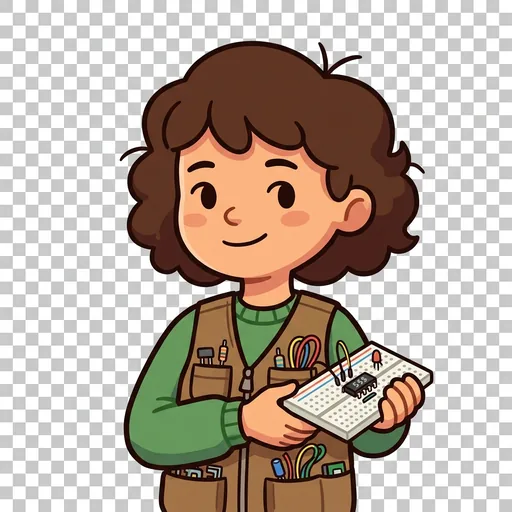
Prefa
PREFIXES — a small unit of meaning added to the FRONT of a word that changes what the whole word means. un- means "not" (unhappy = not happy); re- means "again" (redo = do again); pre- means "before"; dis- means "not/opposite." Read the prefix as one chunk, not letter by letter.
Loading audio…
Press play to listen along. The line being read lights up as you go.
Show full transcript
Loading transcript…
Prefa is fast and she likes beginnings. While the other decoders are still setting up, she's already clipped something onto the front of a word and grinned about it.
Her chunks are different from anything you meet earlier at the Forge, and this is the big thing about her: her chunks don't just make sounds. They carry meaning. She snaps un- onto the front of happy and the word doesn't just get longer — it flips. unhappy means the opposite of happy. She snaps re- onto do and now it means do it again. She snaps pre- onto game and it means before the game.
"Down at Segwyn's end of the shop, they turn letters into sounds," Prefa says. "Up here, we turn chunks into meaning. Same building, next level."
That's the shift she loves. You don't just say the word anymore. You read the front chunk and you already know something about what the whole thing means before you even finish it.
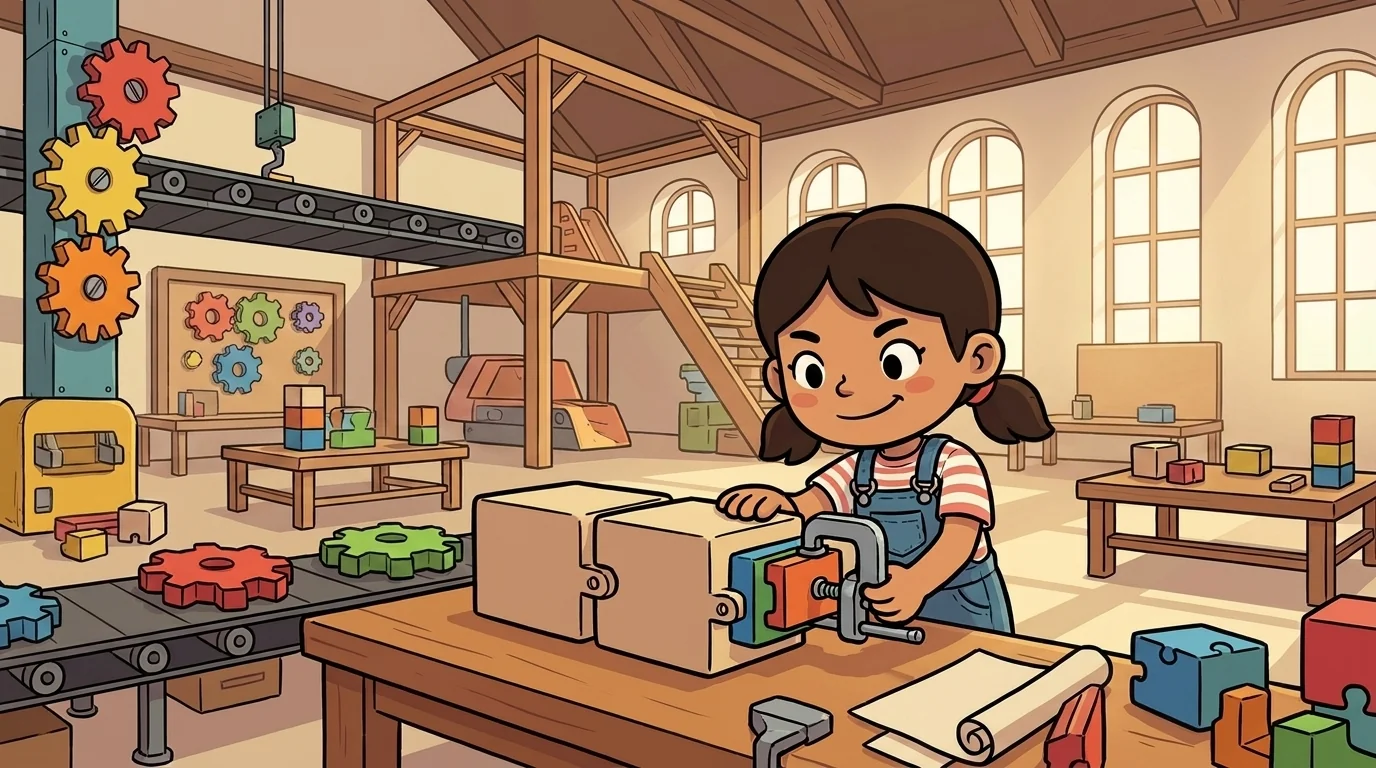
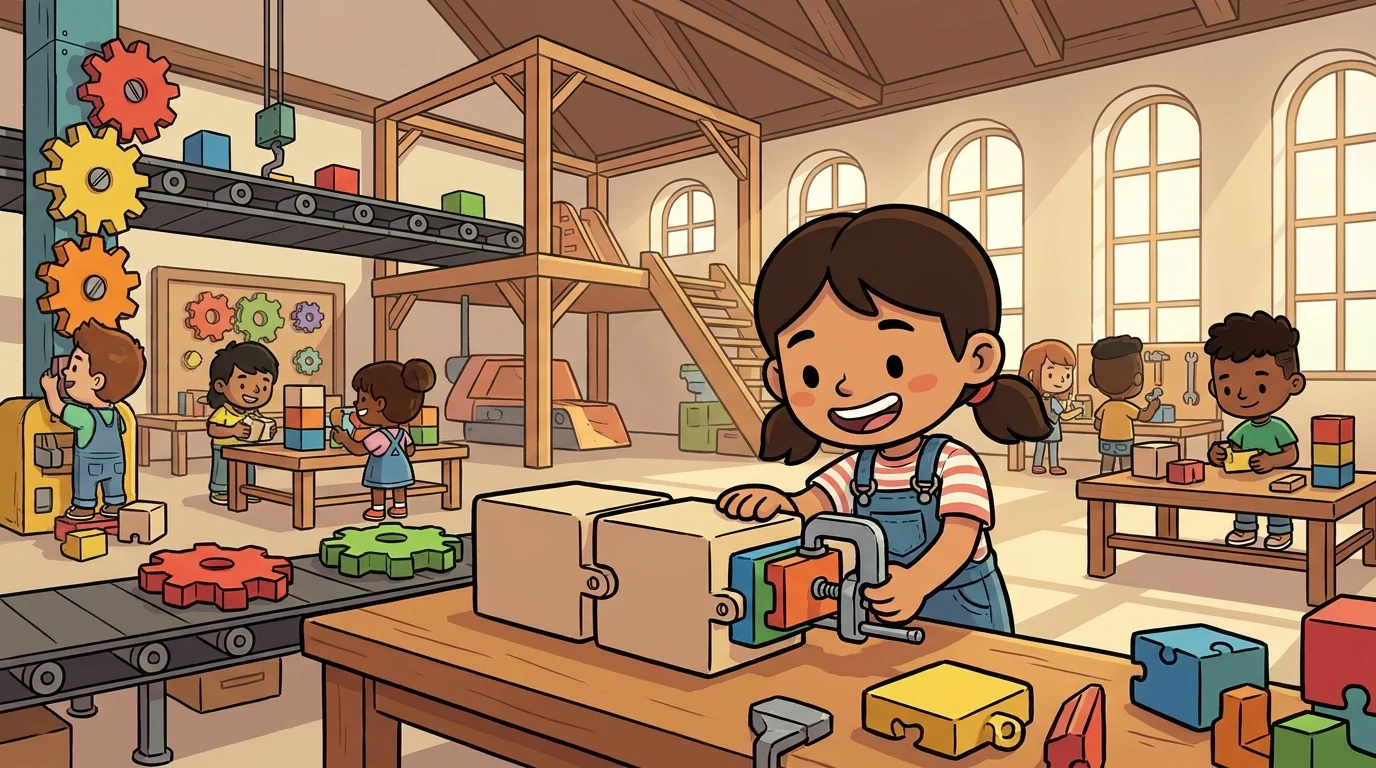
Prefa remembers the exact day reading changed from saying to understanding, because it felt like a door opening.
For a long time, reading had just been survival — get the sounds out, move on, hope it made sense. Long words were extra brutal because she'd grind through every letter and arrive at the end exhausted, with no energy left to think about what the word actually meant. She read like a person carrying a heavy box up stairs: all the effort went into not dropping it, none into where she was going.
Then a teacher showed her that the front of a big word is often a chunk she already knew. un-. Just those two letters, and they always mean "not." Always. unlock = not locked. unfair = not fair. unkind = not kind. She didn't have to grind out u-n-l-o-c-k. She could grab un in one bite — not — and then just read the little word behind it. Two moves instead of six letters. And the meaning came free, built right into the chunk.
It was the first time reading felt less like lifting and more like knowing.
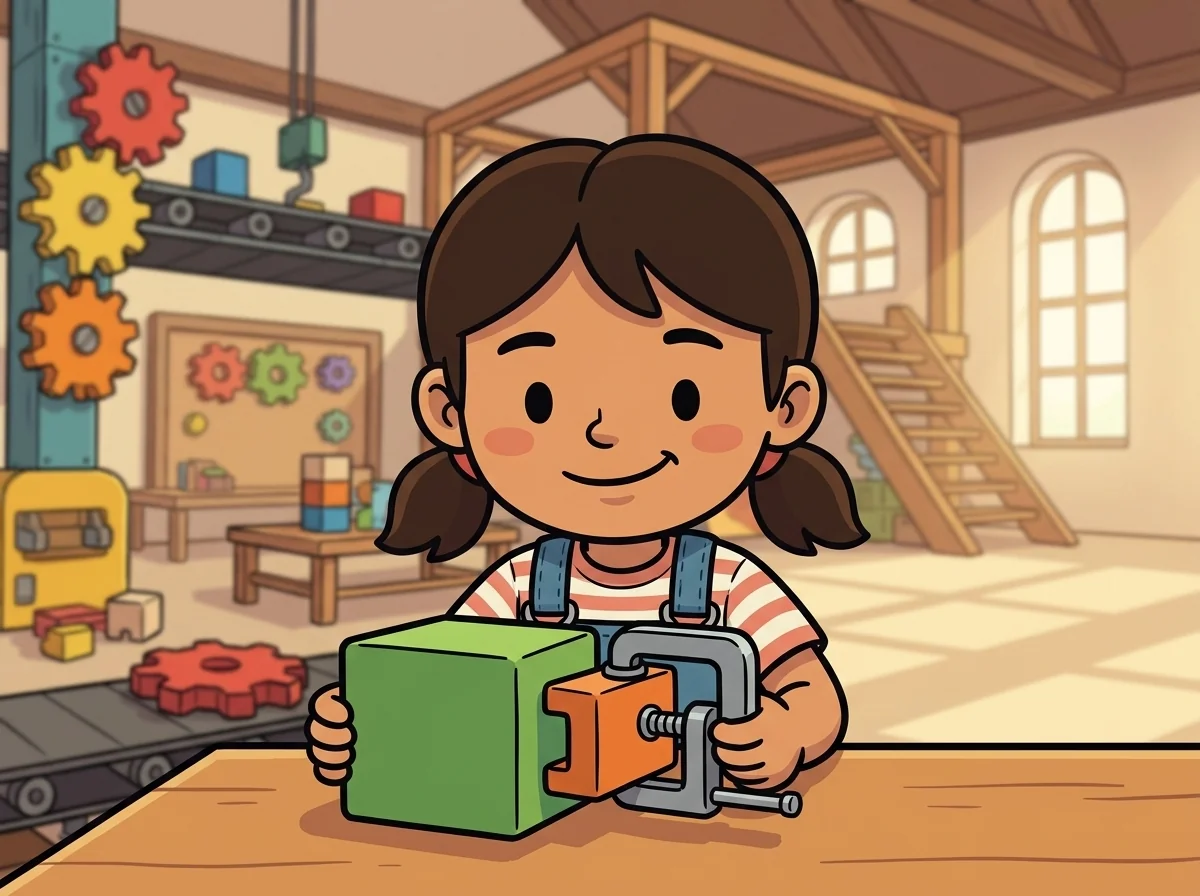
Which is exactly what a girl named Sam needed, because Sam could sound words out but was wearing herself out doing it.
Sam had worked hard to get good at sounding out. She was proud of it, and she should've been. But she sounded out everything, letter by letter, even the parts that came in easy chunks — and on long words it left her so tired that by the end she'd forgotten the start of the sentence. She read rewrite as /r/ /e/ /w/ /r/ /i/ /t/, seven separate efforts, and then couldn't tell you what it meant.
"Can I show you a shortcut that's actually allowed?" Prefa asked. Sam looked wary — she'd been burned by "shortcuts" that turned out to be guessing. "Not guessing," Prefa promised. "The opposite. This one tells you the meaning for sure."
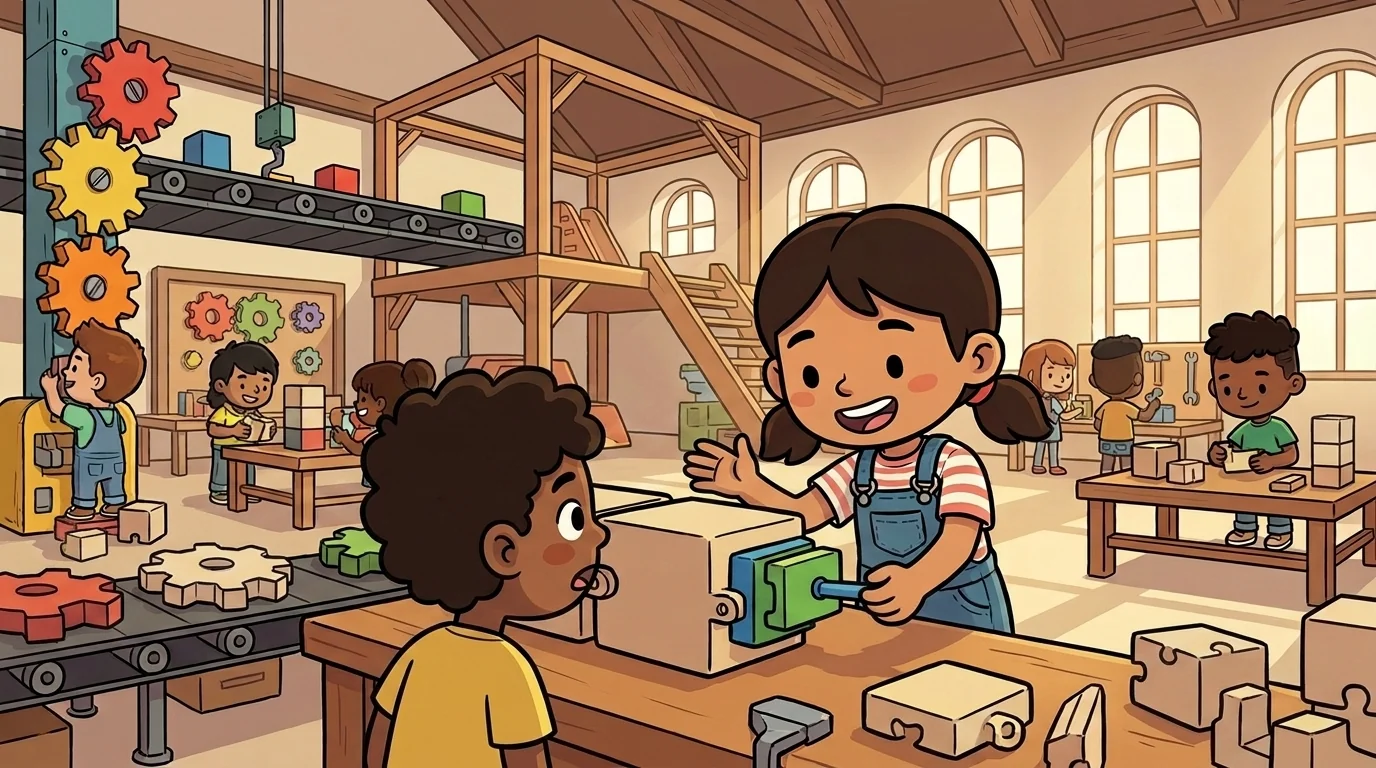
Prefa covered everything but the front two letters of rewrite. "This chunk — re — you don't sound it out. You just know it. It says /ree/, and it means again. Every time. redo, replay, refill — again, again, again."
"/ree/," said Sam. "Again."
"Now the rest." Prefa uncovered write. Sam knew that one. "Write." "Put them together — meaning first."
"Re... write. Rewrite." Sam paused. "Write it... again." And her eyes came up off the page. "I know what it means. I didn't have to figure it out. It was just... in there."
"It was just in there," Prefa agreed. "That's the whole point of these chunks. un means not. re means again. pre means before. dis means not-or-opposite. Learn four little chunks and you can read the front of hundreds of long words and know what they mean before you're even done. You stop hauling every letter. You start reading."
Sam read unlucky, preheat, disappear, rebuild. Each one shorter to read and clearer in meaning than anything she'd done letter by letter. She wasn't lifting the box up the stairs anymore. She was walking.
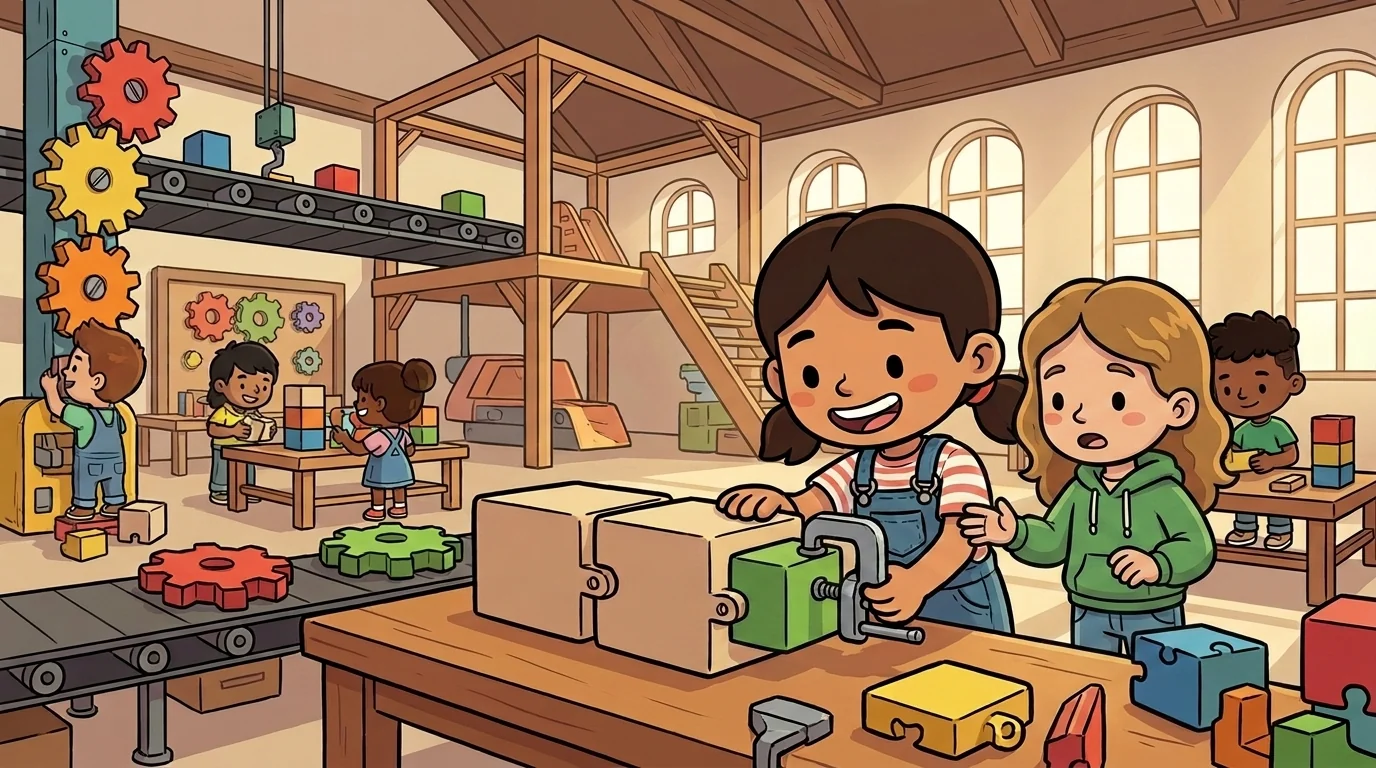
Sam set the page down and let out a breath she seemed to have been holding for years.
"I've been doing it the hard way," she said. "This whole time. Grinding out every letter and being too tired to even care what it meant."
"You weren't doing it wrong," Prefa said quickly, because she could see the shame creeping in and she wasn't going to allow it. "Sounding out is where everybody starts, and you got good at it — that's why you can do this next part at all. You didn't waste those years. You built the muscle. Now you get to use it for something bigger than just saying the word. You get to read for meaning. That's not the hard way ending. That's you leveling up."
And that's the feeling Prefa hands over: the moment reading stops being a thing you survive and starts being a thing you use — where a kid who's only ever fought to get the sounds out discovers there's a whole next room, and they're ready for it, and everything they grinded through to get here is exactly what makes them ready. The beginning of a word can flip its whole meaning. And getting to that room isn't the reward for reading. It's what reading was for.
Sam kept a short list taped inside her binder — un, re, pre, dis — and she said each one felt less like a spelling rule and more like a key.
The DecodeForge ensemble
Prefa is part of DecodeForge's distributed-narrative cast. Each character embodies a different curricular primitive; together they teach the full subject.
-
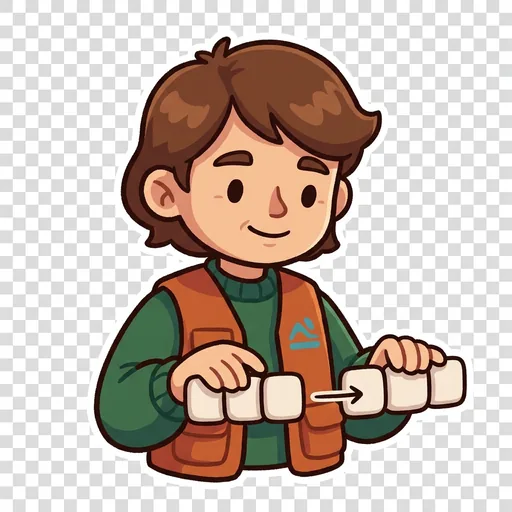
Segwyn
Segment & blend (mentor) — the master decoder who slides a word apart into its sounds and back together, and coaches the rest
-
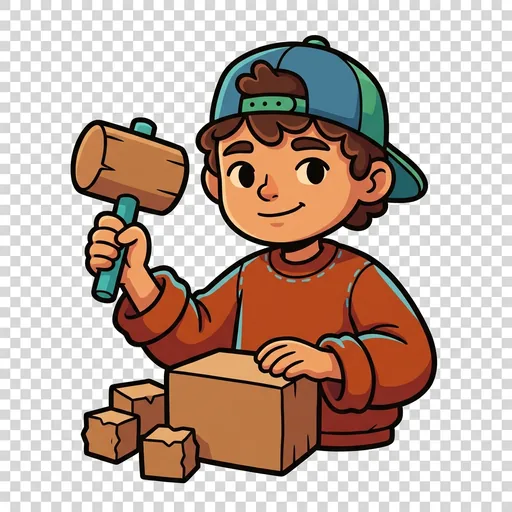
Chip
Syllable division — chips a big word into syllable chunks you can actually say
-
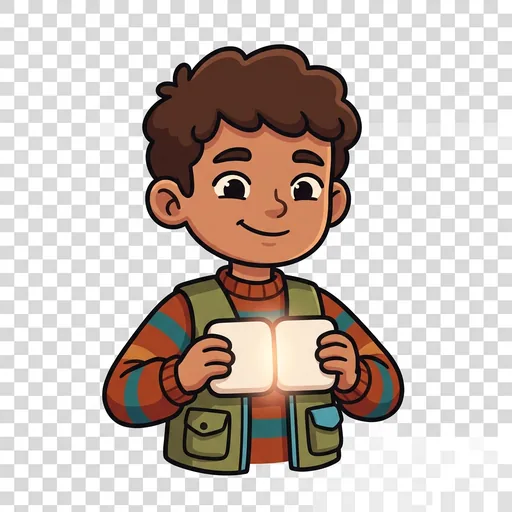
Digby
Digraphs — fuses two letters into ONE sound (the 'one-breath' trick)
-
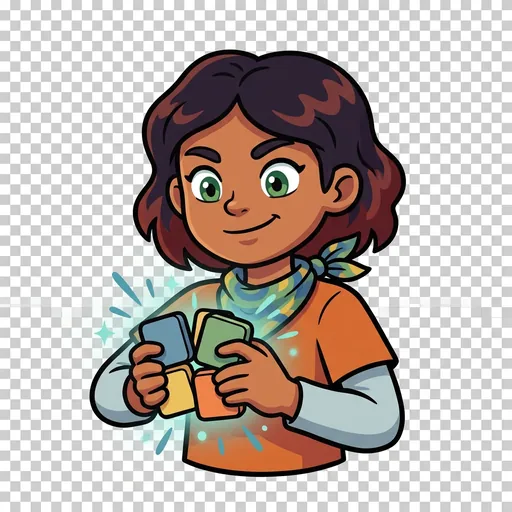
Blenda
Consonant blends — smashes a cluster together so each sound still shows
-
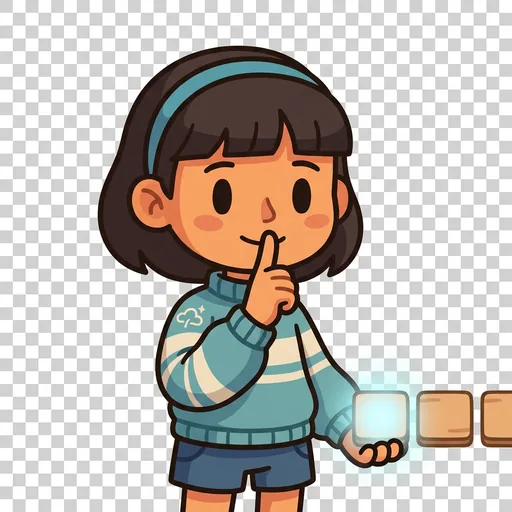
Silent Ellie
Silent / magic-e — stands silent at a word's end and makes the vowel say its name
-
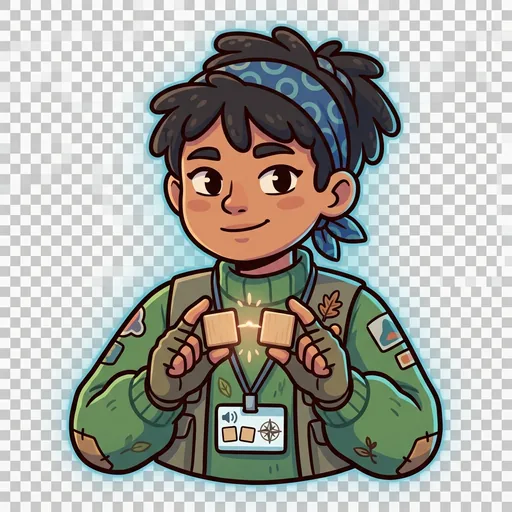
Sylva
Vowel teams — pairs two vowels so the first does the talking
-
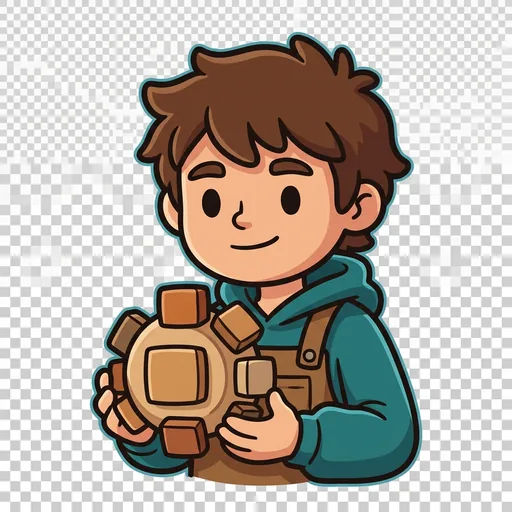
Rootley
Roots / bases — holds the meaning core everything attaches to
-
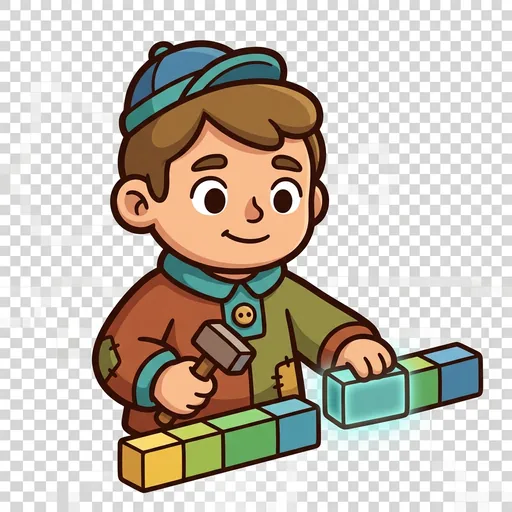
Fixby
Suffixes — tacks a meaning-unit onto the END and guards the spelling-change rule
-
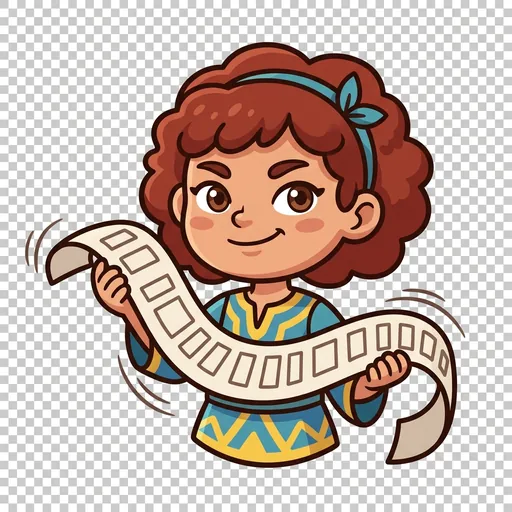
Fluenna
Fluency — reads the same passage until it flows, keeping the beat (repeated reading)
-
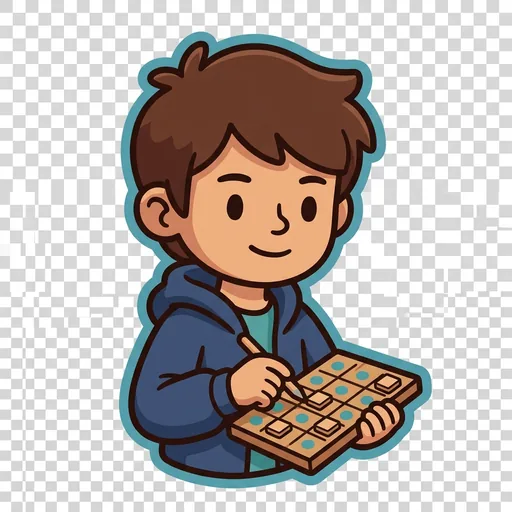
Mapper
Phoneme-grapheme mapping — maps each sound to its spelling tile on the board