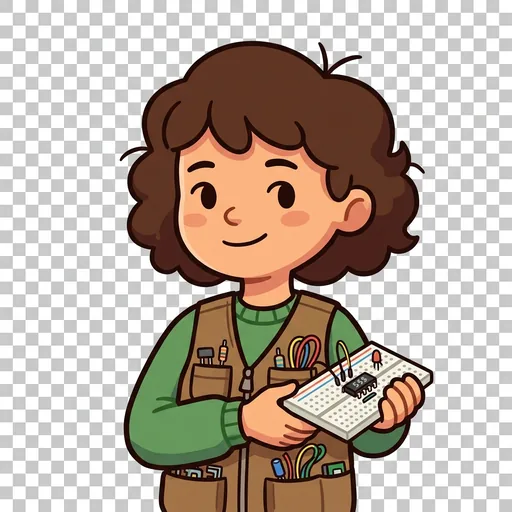
Sylva
VOWEL TEAMS — two vowels standing together that make ONE vowel sound, usually the long sound of the first vowel. ai in rain, ea in team, oa in boat, ee in feet. "When two vowels go walking, the first one does the talking."
Loading audio…
Press play to listen along. The line being read lights up as you go.
Show full transcript
Loading transcript…
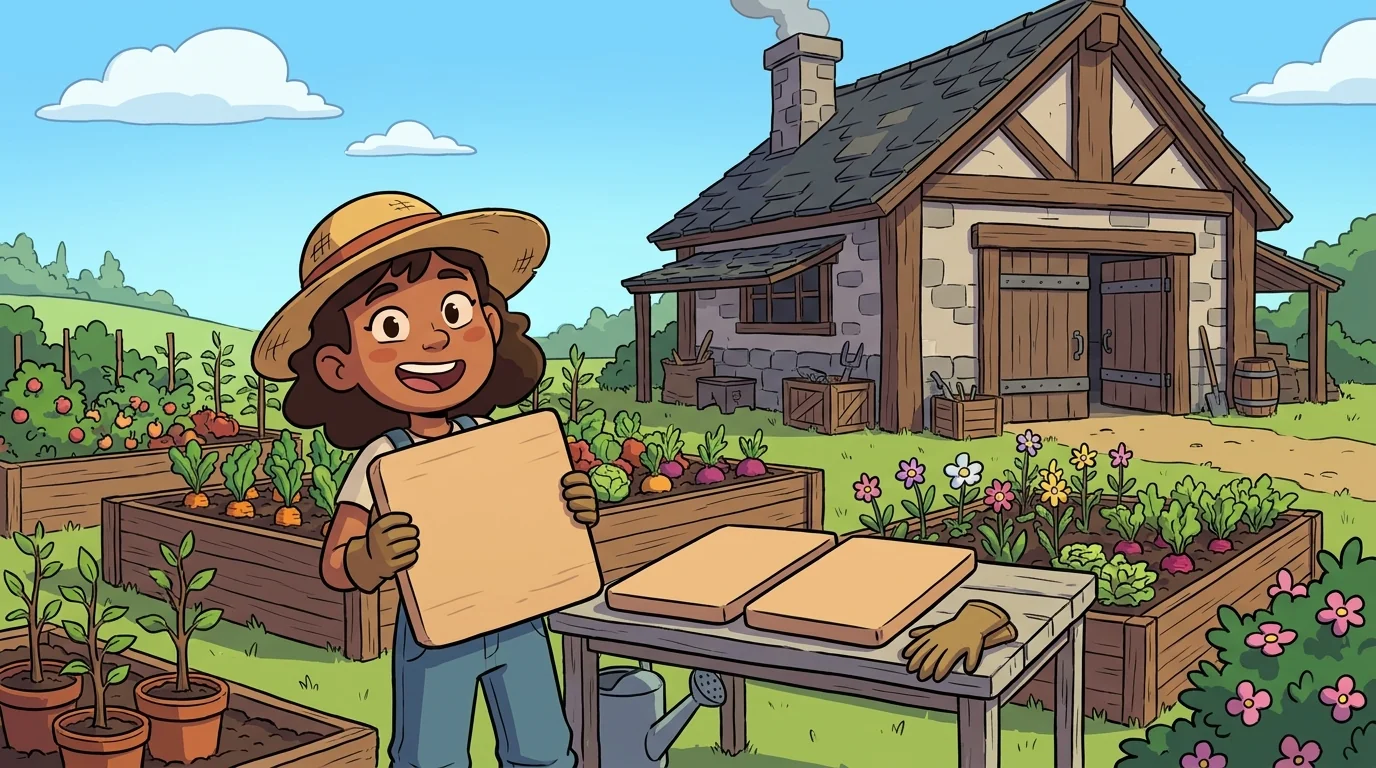
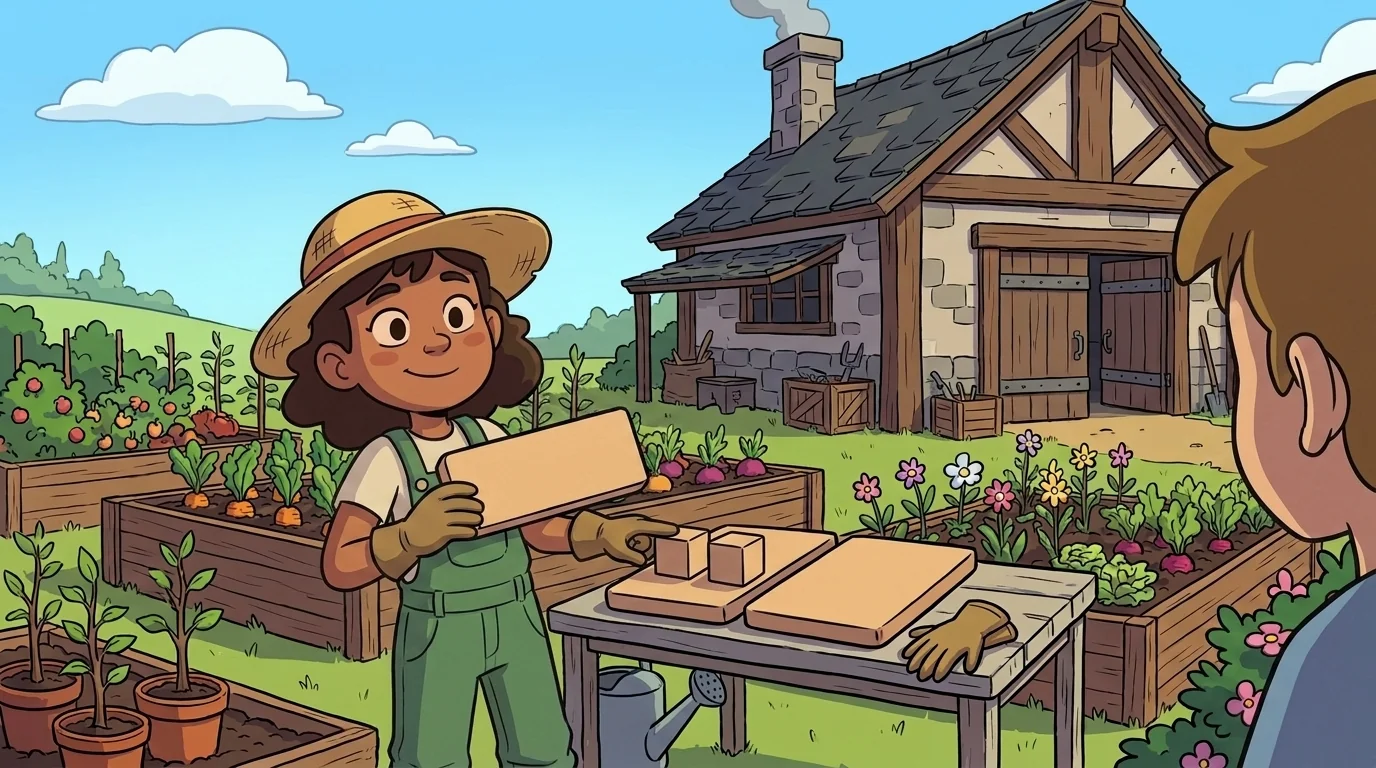
Sylva keeps a little garden behind the Forge, and she talks about letters the way she talks about plants — some things grow better in pairs.
Her job is about vowels, and vowels are the tricky ones. Consonants mostly behave. But vowels are moody; the same vowel can say different things in different words, and that drives new readers up the wall. Sylva's whole gift is a certain kind of pair. When two vowels stand right next to each other — ai, ea, oa, ee — they don't each shout their own sound. They team up. One of them does the talking, and the other stands quietly beside it, sharing the work.
Somebody brings her rain. A brand-new reader might try to say both vowels — /ra-in/ — and end up with a mess. Sylva just smiles and says the old line her grandmother taught her: "When two vowels go walking, the first one does the talking." The a says its name, /ay/; the i stands beside it, silent and steady. /rain/. Two letters. One sound. Nobody working alone.
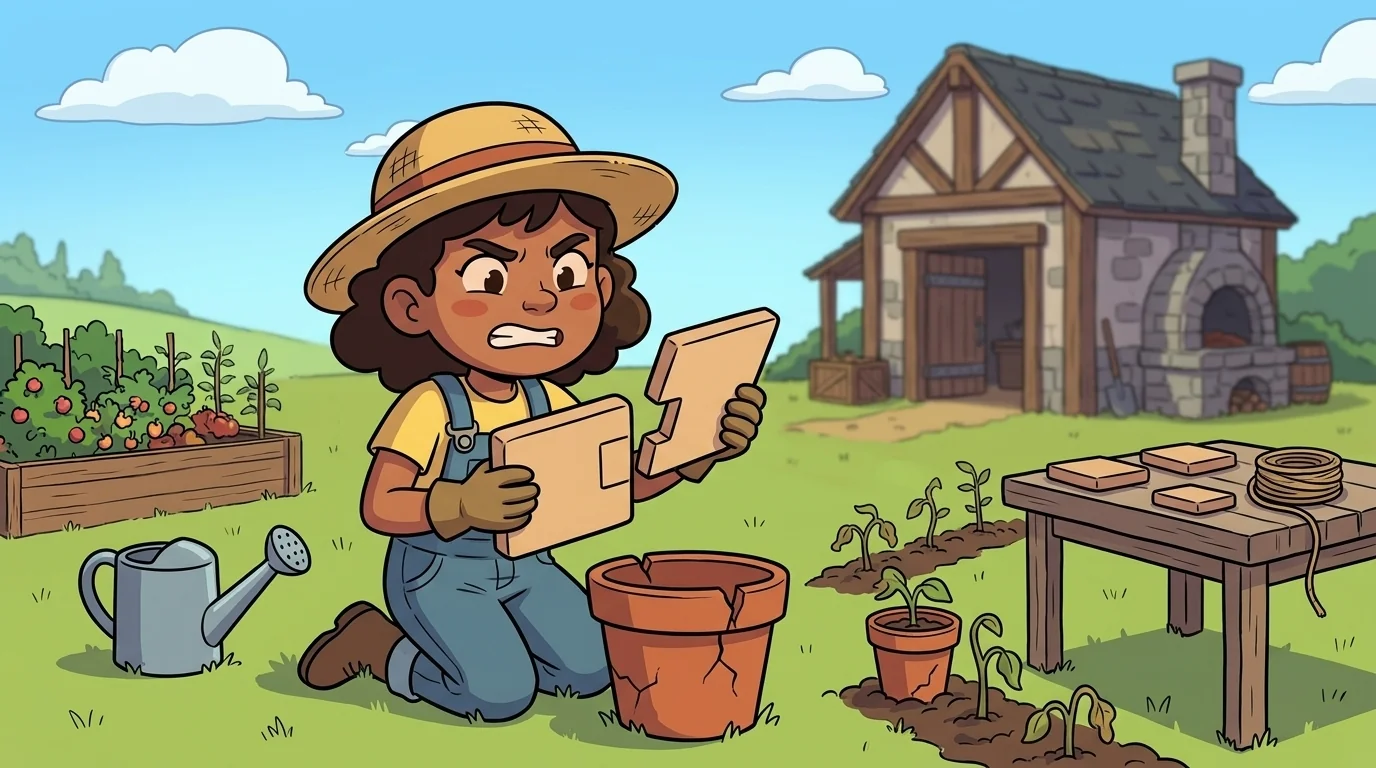
Sylva learned about teams the hard way, because as a kid she thought asking for help was the same as failing.
She was the kind of kid who did everything herself. Group projects? She'd do the whole thing rather than risk needing anybody. Struggling with homework? She'd rather stare at it for three hours than raise her hand. Somewhere along the line she'd picked up the idea that needing help was a kind of weakness — that a strong person carries their own load, all of it, alone.
So of course reading these vowel pairs wrecked her. She'd been taught every vowel has a sound, and here were two vowels sitting together, and she'd try to make both of them work — /bo-at/, /te-am/, /ra-in/ — cramming two sounds into a spot that only wanted one. The words came out lumpy and wrong, and she'd grind harder, more alone, more frustrated, sure that if she just tried hard enough by herself she'd force it.
Nobody can force boat to have two vowel sounds. It doesn't. It has one, carried by two letters working together. Sylva just couldn't see it, because "working together" wasn't a thing she trusted.
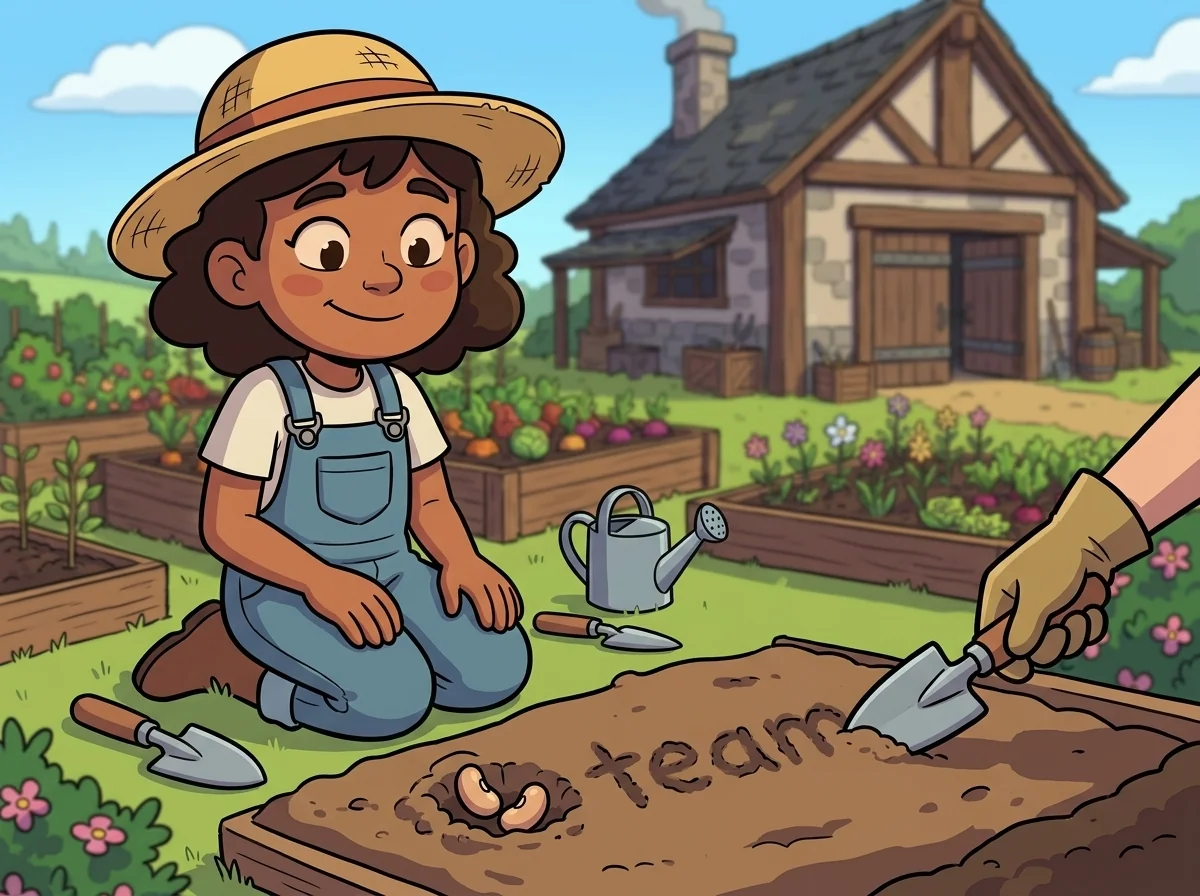
Her grandmother fixed it in the garden, of all places. They were planting beans, and her grandmother pushed two seeds into one hole. "Why two?" Sylva asked. "One's the strong one," her grandmother said. "The other one just... helps it stand. Neither has to do the whole job."
Then she wrote team in the dirt with a trowel. "Same thing. Two vowels, one hole. The e does the talking. The a just stands beside it and helps. You don't say both. You never had to."
Sylva read team correctly for the first time, and then sat back on her heels, a little stunned — not by the word, but by the idea underneath it. Neither has to do the whole job. She'd spent years believing the opposite about herself.
That's why she was exactly right for a boy named Dev, who was drowning quietly. Dev never asked for help either. He'd sound out beach as /be-ach/, get nonsense, and instead of asking, he'd just mumble past it and carry the confusion alone, word after word, page after page, a whole secret pile of words he'd never quite gotten and never told anyone about.
"Read it however you're reading it," Sylva said gently. "I won't correct you. I just want to hear."
"/b/... /e/... /a/... /ch/... be-ach," Dev muttered, bracing for the sigh.
No sigh came. "Ah," said Sylva. "I see exactly what's happening, and it's the most reasonable mistake in the world. You're making both vowels work. But look—" She put a finger over the a in beach, hiding it. "Read just the e and the rest."
"/b/... /ee/... /ch/... beach."
"There it is. The e and the a are a team. The e does the talking — says its name, /ee/. The a just stands beside it, quiet, helping it stay strong. You don't carry both. They share it."
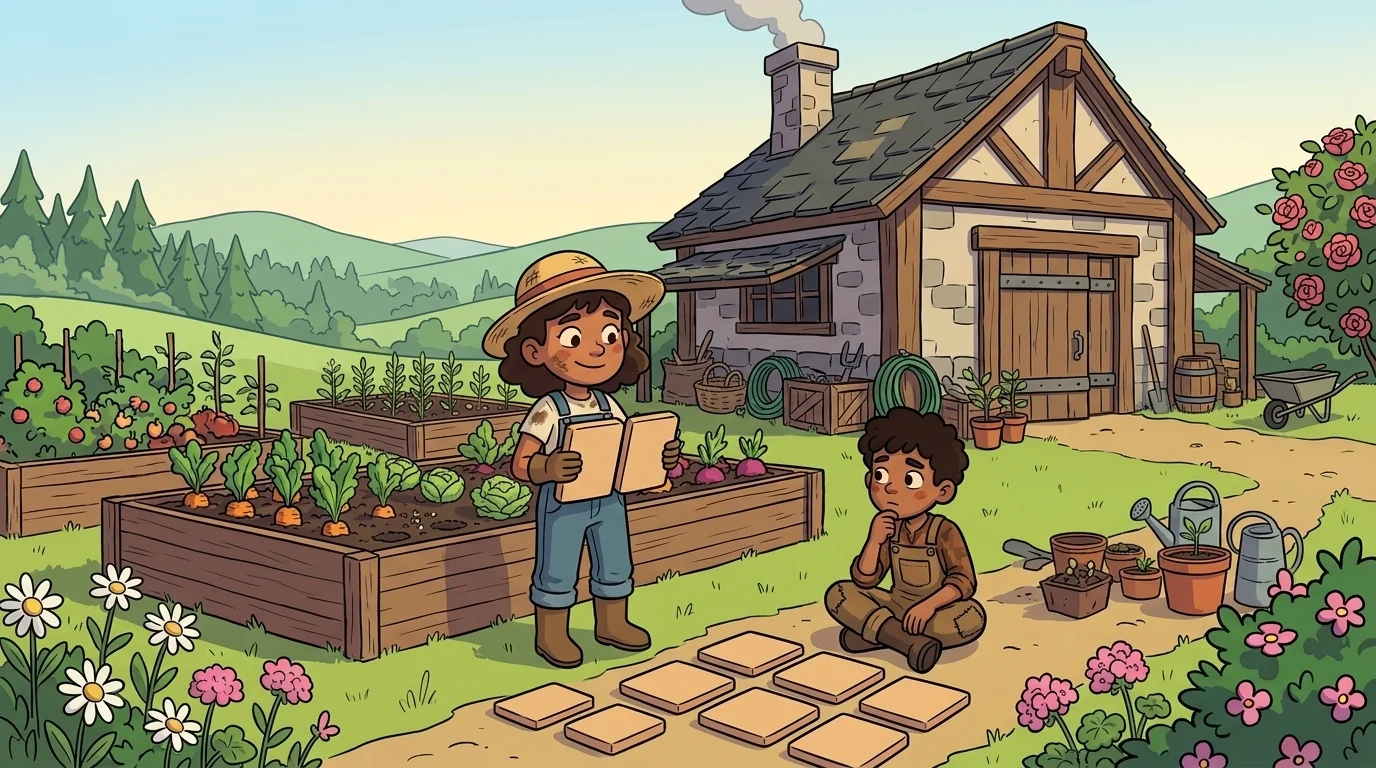
Dev read boat, rain, feet, road, dream. Every one, once he let the two vowels share a single sound instead of forcing both to work.
But he'd gone quiet in a thoughtful way, and Sylva waited, because she knew this part wasn't about vowels.
"I do that with everything," Dev finally said. "Try to carry the whole thing. By myself. Even when it's too much."
"I know," said Sylva. "I was exactly the same. I thought needing help meant I'd failed." She brushed a little soil off the bench — she's always got soil somewhere. "But look what these two letters do. Neither one is strong enough to make that sound alone. Together, easy. That's not weakness. That's just how strong things actually get built. Two seeds, one hole. Two vowels, one sound. Nobody carries it all by themselves — not letters, not people, not you."
And that's the feeling Sylva plants, over and over, in every kid who's been white-knuckling their whole load alone: that letting someone share it isn't failing. It's the thing that finally makes the heavy stuff possible. The relief of it — of setting down half a weight you thought you had to carry solo — is bigger than any single word she'll ever teach.
Dev started asking for help after that. Not a lot. But when he needed it, he did. Sylva counted that as the best thing she grew all year.
The DecodeForge ensemble
Sylva is part of DecodeForge's distributed-narrative cast. Each character embodies a different curricular primitive; together they teach the full subject.
-
Segwyn
Segment & blend (mentor) — the master decoder who slides a word apart into its sounds and back together, and coaches the rest
-
Chip
Syllable division — chips a big word into syllable chunks you can actually say
-
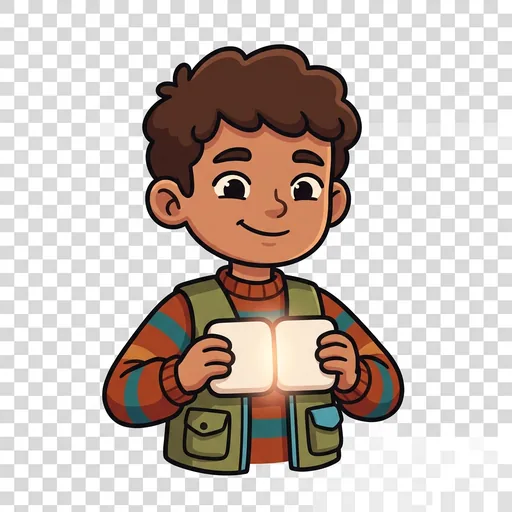
Digby
Digraphs — fuses two letters into ONE sound (the 'one-breath' trick)
-
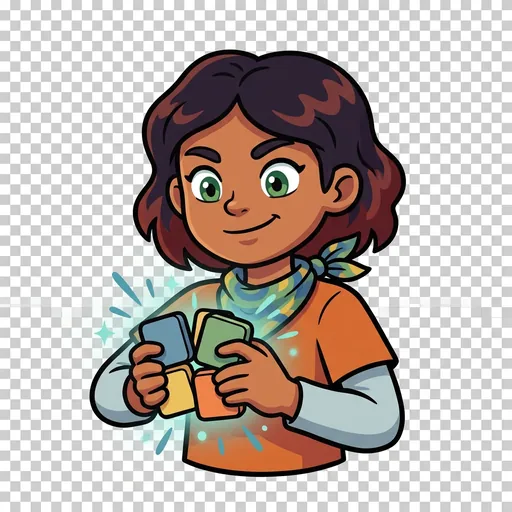
Blenda
Consonant blends — smashes a cluster together so each sound still shows
-
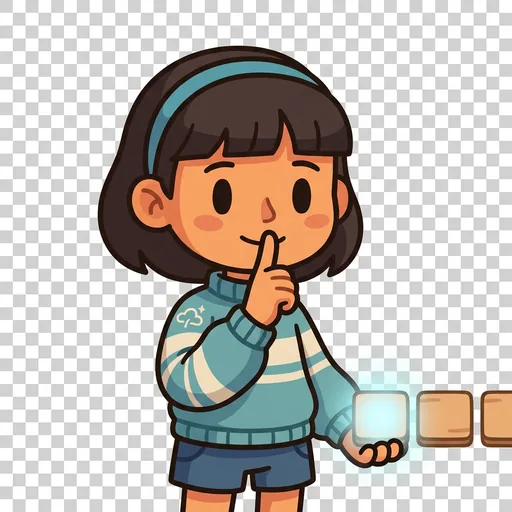
Silent Ellie
Silent / magic-e — stands silent at a word's end and makes the vowel say its name
-
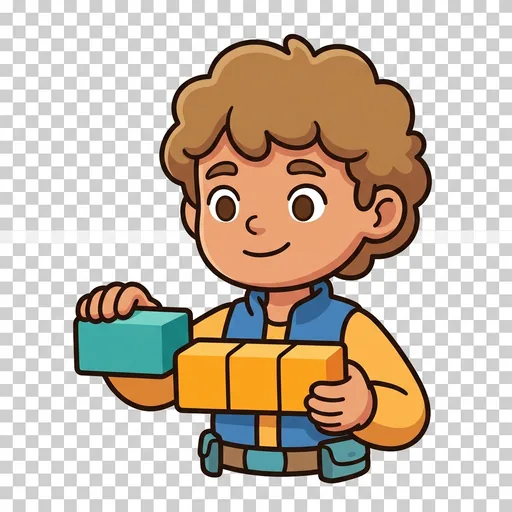
Prefa
Prefixes — clips a meaning-unit onto the FRONT of a word
-
Rootley
Roots / bases — holds the meaning core everything attaches to
-
Fixby
Suffixes — tacks a meaning-unit onto the END and guards the spelling-change rule
-
Fluenna
Fluency — reads the same passage until it flows, keeping the beat (repeated reading)
-
Mapper
Phoneme-grapheme mapping — maps each sound to its spelling tile on the board