
Prefa
PREFIXES — a unit of meaning added to the FRONT of a word that changes what it means. un- = not, re- = again, pre- = before, dis- = not/opposite, mis- = wrongly, sub- = under. Read the prefix as one chunk, not letter by letter, and it tells you part of the meaning for free.
Loading audio…
Press play to listen along. The line being read lights up as you go.
Show full transcript
Loading transcript…
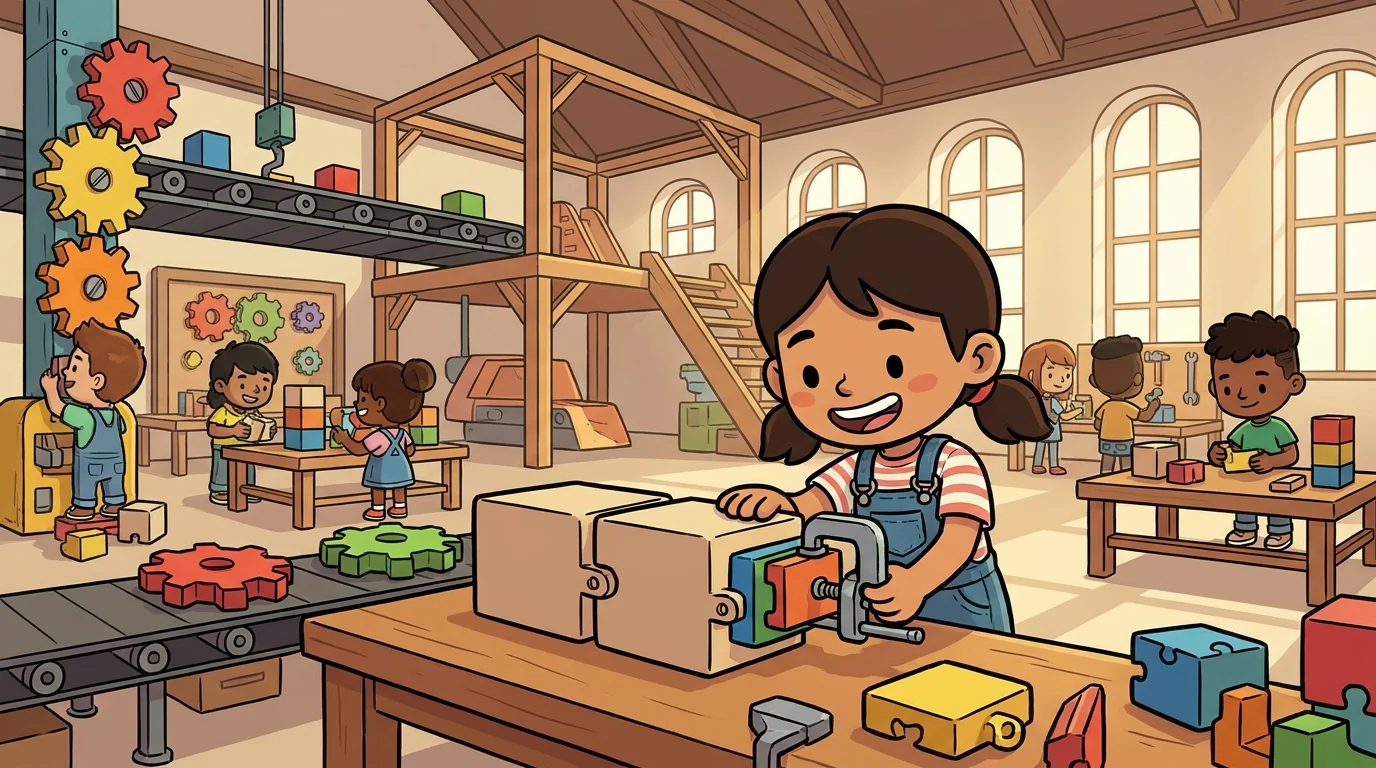
A student named Lena was reading unbelievable one letter at a time — "u-n-b-e..." — and drowning.
Prefa, quick and warm, drew a line right after the un. "Don't read the front letter by letter. The front is a chunk — one piece of meaning. un- means 'not.' You read it as one thing: /un/. Then the rest of the word, believable. Un-believable. 'Not believable.'" She tapped it. "That chunk didn't just save you letters — it handed you part of the meaning. You knew it meant 'not something' before you even finished the word."
Lena read it whole. "Unbelievable. Not believable."
"That's a prefix," said Prefa. "A meaning-chunk clipped onto the front. Read it as one piece, and it tells you where the whole word is going."
Prefa had once read every word as a flat string of letters, with no seams.
So rewrite, redo, return, reread were four separate battles instead of four cousins sharing a front. She never noticed that the re- at the start of all of them meant the same thing — again — and so she never got the free head start it offered. Every word was new. Nothing connected to anything.
An old teacher wrote a column of re- words and circled the shared front. "See it? re- means 'again' in every one. Rewrite: write again. Redo: do again. Reread: read again. Learn the chunk once, and you get a head start on every word that wears it." She wrote un-, dis-, pre- below. "A handful of prefixes ride on thousands of words. Learn the handful, unlock the thousands."
Prefa learned to see the front as a chunk — and suddenly whole families of words connected, each front handing her a piece of meaning before she'd finished reading. The every-word-is-new exhaustion turned into a head-start delight.
There is a spelling subtlety, and Prefa gave it to Advanced readers.
"Here's the beautiful part," she said. "A prefix is glued on without changing the root's spelling — almost always. un + happy = unhappy. dis + appear = disappear. mis + spell = misspell — yes, two s's, because the prefix ends in s and the root starts with s, and you keep both. re + enter = reenter." She tapped misspell and unnatural. "People 'correct' these to one letter because the double looks wrong. It isn't. The prefix keeps its letters; the root keeps its letters; you just set them side by side. So unnatural has two n's, and it's right."
"And prefixes come in meaning families," Prefa went on. "The 'not/against' family: un-, dis-, in-, im-, non-, mis-. The 'time and place' family: pre- (before), post- (after), sub- (under), super- (over), inter- (between). When you meet a long word, check the front first — if it starts with a prefix you know, you've already got a piece of the meaning and a chunk you don't have to sound out letter by letter." She grinned. "The front of the word is often the easiest part and the most helpful. Read it as a chunk, and let it tell you where you're headed."
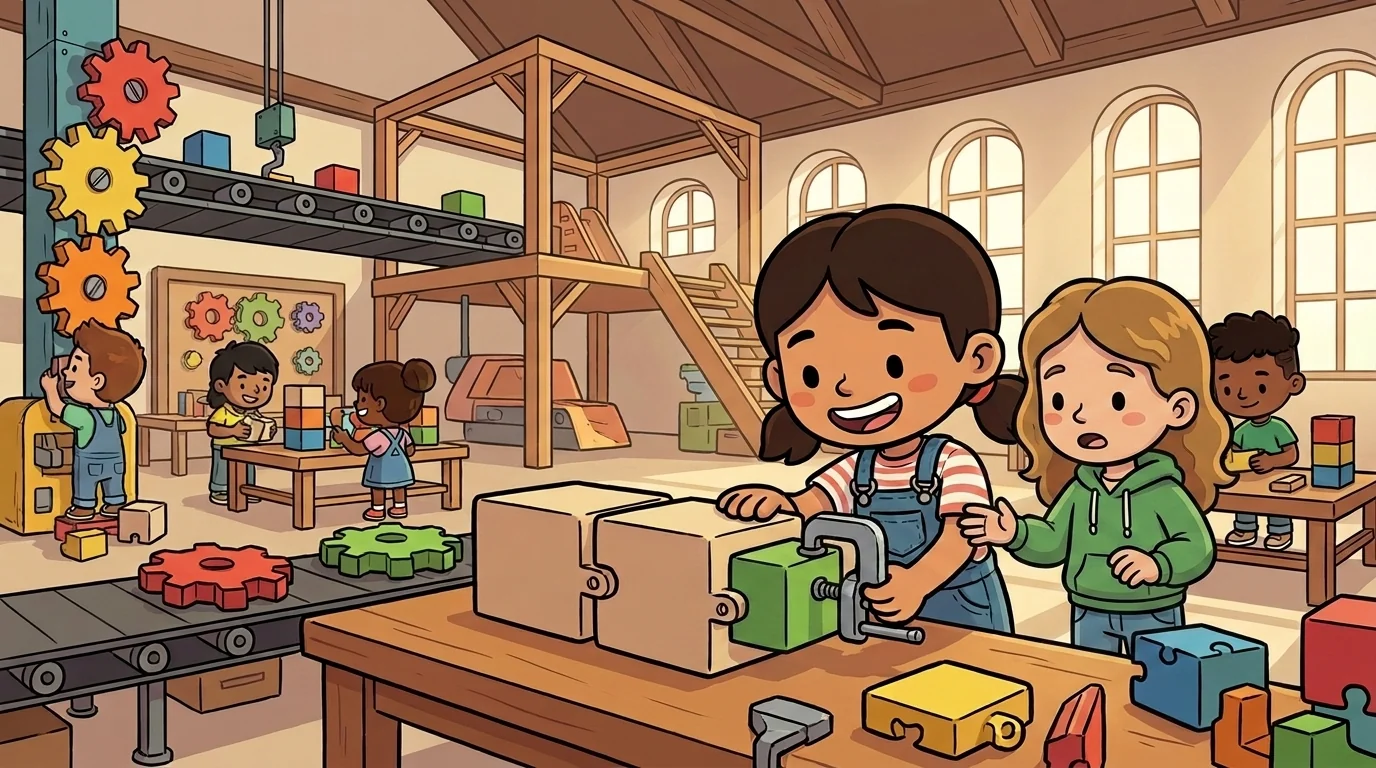
Lena went back to her book and hit disconnected.
Once, a long scary string. Now she saw the front chunk — dis-, meaning 'not/apart' — read it as one piece, then the root connect, then the ending -ed. "Dis·connect·ed. Not connected." She hadn't sounded out a single letter of the front, and she'd known half the meaning before she reached the middle.
"That's it," said Prefa, delighted. "The front is a chunk of meaning, not a pile of letters. Learn the handful of prefixes and you get a head start on thousands of words — and the spelling stays honest: the prefix keeps its letters, the root keeps its letters." She clipped her hands together like a latch. "Chunk on the front. Meaning for free."
The every-word-is-new dread settled into a head-start confidence. Lena hadn't been slow at long words. She'd been reading their easiest, most helpful part one letter at a time.
The DecodeForge ensemble
Prefa is part of DecodeForge's distributed-narrative cast. Each character embodies a different curricular primitive; together they teach the full subject.
-
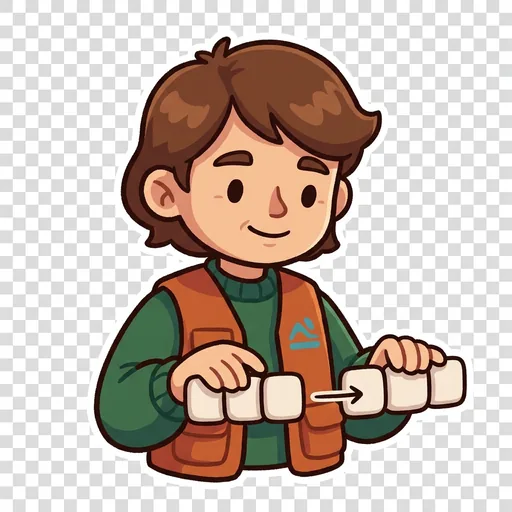
Segwyn
Segment & blend (mentor) — the master decoder who slides a word apart into its sounds and back together, and coaches the rest
-
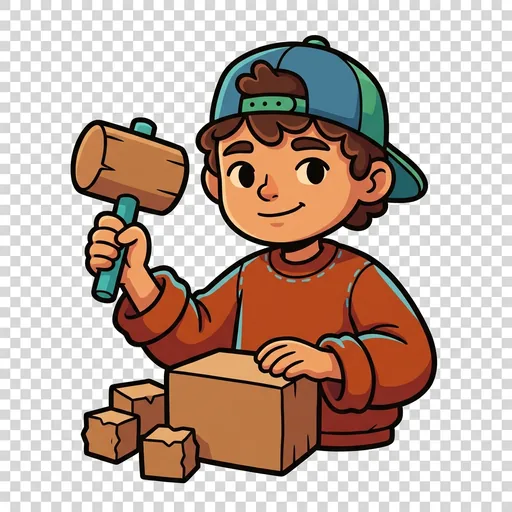
Chip
Syllable division — chips a big word into syllable chunks you can actually say
-

Digby
Digraphs — fuses two letters into ONE sound (the 'one-breath' trick)
-
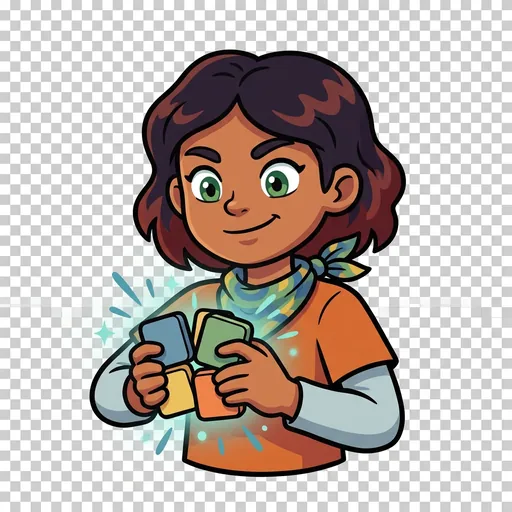
Blenda
Consonant blends — smashes a cluster together so each sound still shows
-
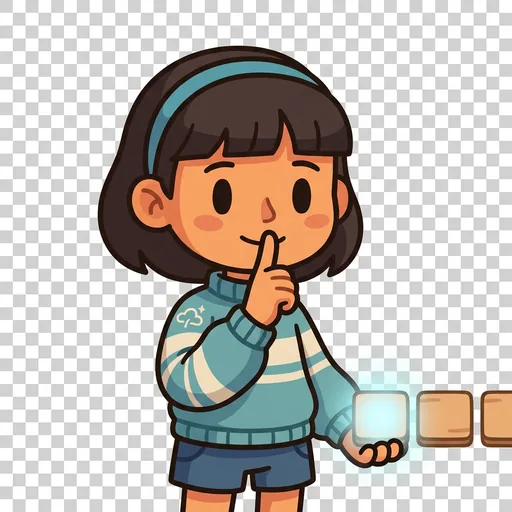
Silent Ellie
Silent / magic-e — stands silent at a word's end and makes the vowel say its name
-
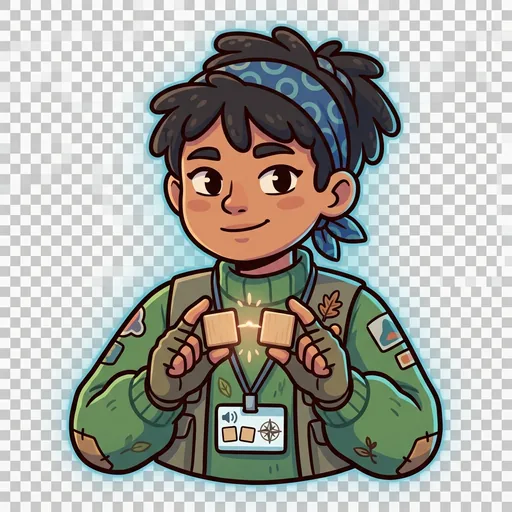
Sylva
Vowel teams — pairs two vowels so the first does the talking
-

Rootley
Roots / bases — holds the meaning core everything attaches to
-

Fixby
Suffixes — tacks a meaning-unit onto the END and guards the spelling-change rule
-
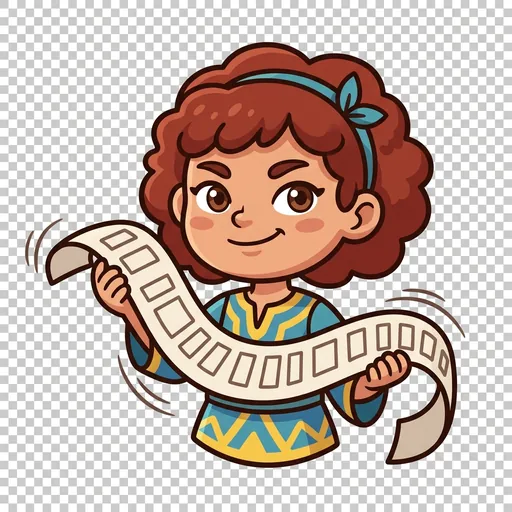
Fluenna
Fluency — reads the same passage until it flows, keeping the beat (repeated reading)
-
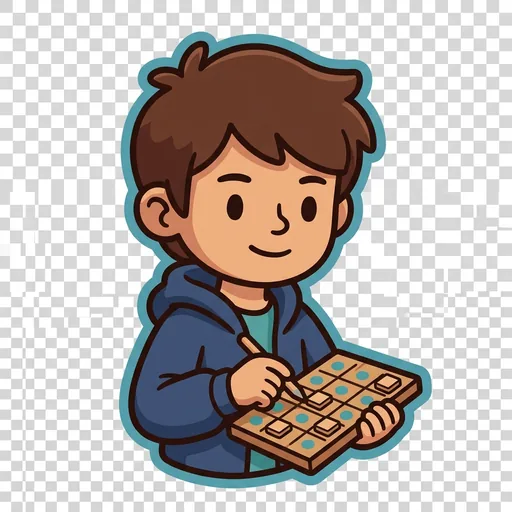
Mapper
Phoneme-grapheme mapping — maps each sound to its spelling tile on the board