
Segwyn
SEGMENT & BLEND — a word is a row of separate sounds. Slide it apart to hear each sound (segment), then slide the sounds back together to say the whole word (blend). /s/ /t/ /r/ /ee/ /t/ blends into 'street'. This is the two-way engine under all decoding and spelling.
Loading audio…
Press play to listen along. The line being read lights up as you go.
Show full transcript
Loading transcript…
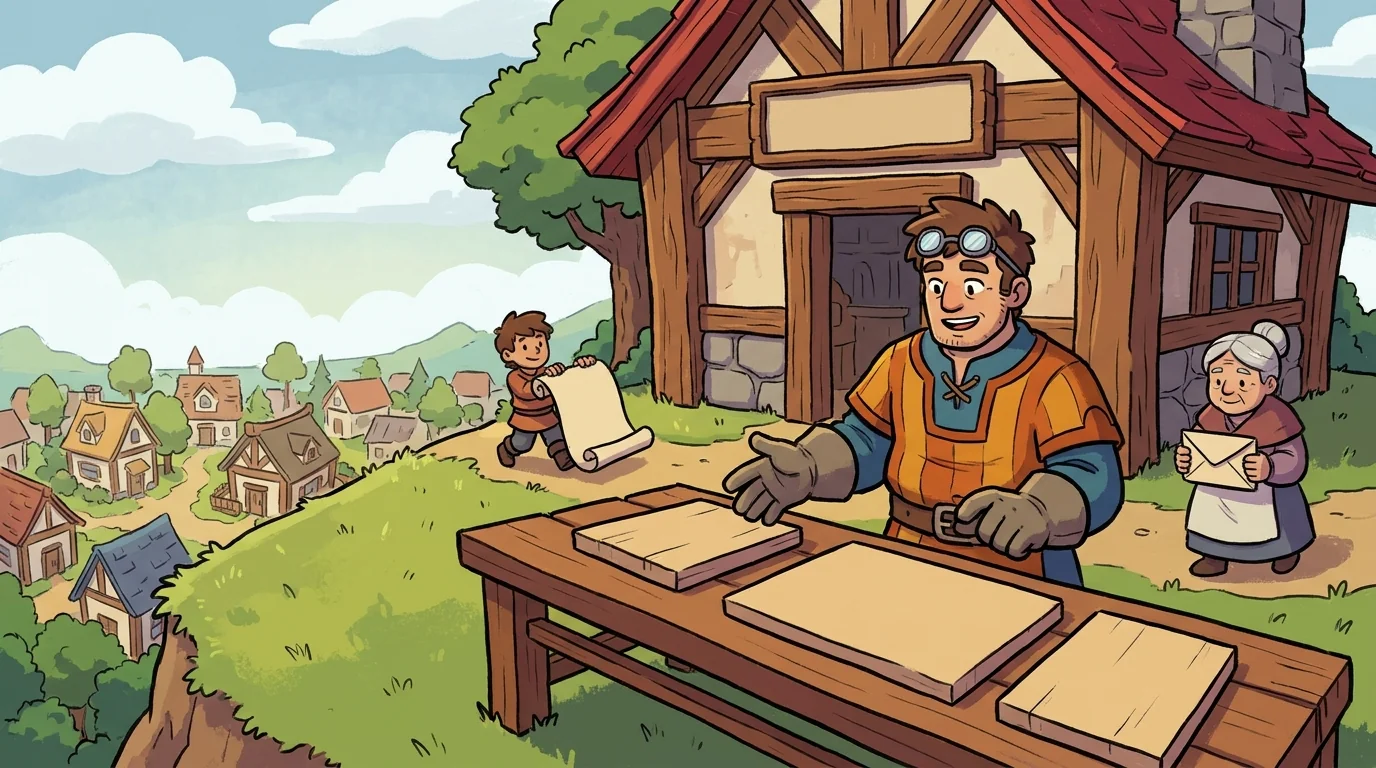
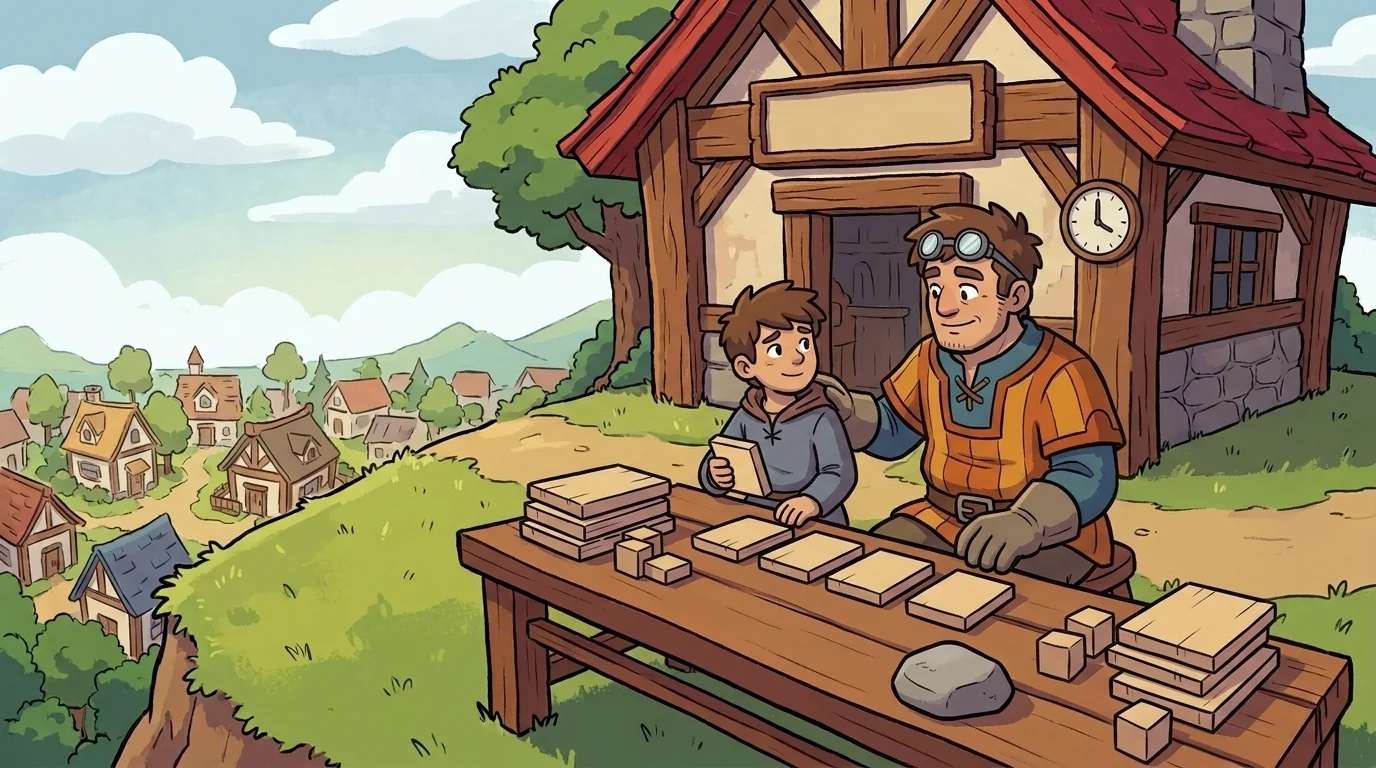
The mentor of DecodeForge, Segwyn, watched a student named Rosa try to read street by staring at it whole, willing it to speak. It wouldn't.
"A word doesn't arrive whole," Segwyn said, warm and matter-of-fact. "It arrives as a row of sounds, and your job is to slide them apart, then slide them together." He drew five little boxes and tapped them one at a time: "/s/ — /t/ — /r/ — /ee/ — /t/. That's segmenting — pulling the word into its separate sounds so you can actually see them." Then he ran his finger under the boxes, fast. "/s/t/r/ee/t/ — street. That's blending — sliding the sounds back into one word. Apart, then together. That's the whole engine."
Rosa did it herself — apart, then together — and street came out clean.
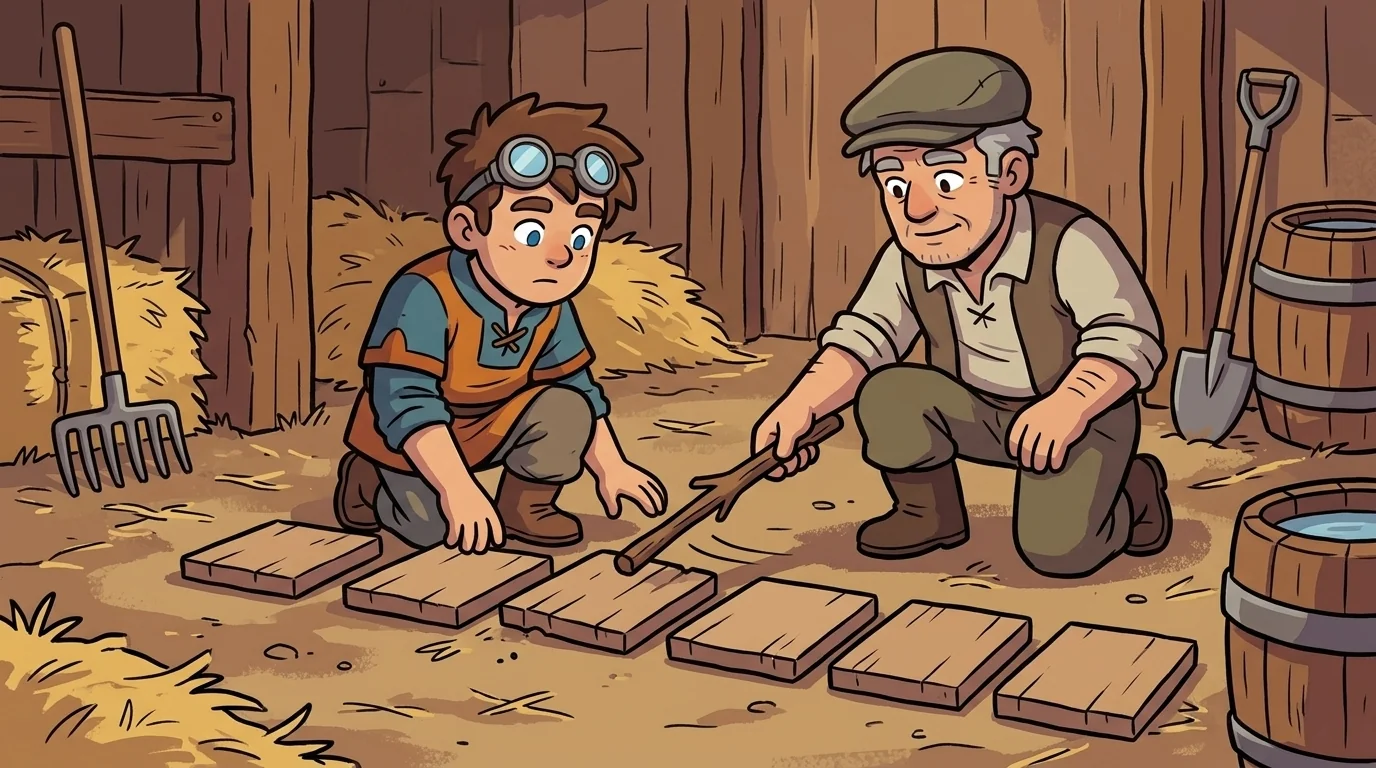
Segwyn had been teaching a long time, and he had learned that most reading trouble is one missing move: the reader tries to recognize a word instead of building it.
Young readers would meet a word they didn't instantly know and simply stall, or guess from the picture, or say a word that started with the same letter. What they'd never been shown was that a word can be built from its sounds every time, even a word you've never seen. He'd watched a bright child guess "horse" for house off the h and the picture, and known the child hadn't been taught the one move that would free them: pull it apart, put it together.
So Segwyn taught segmenting and blending as the two directions of a single engine — and children who could build a word from its sounds stopped needing to recognize it first. They could read words no one had ever taught them. That is the whole promise of a code: once you have the engine, you don't need to have met the word before.
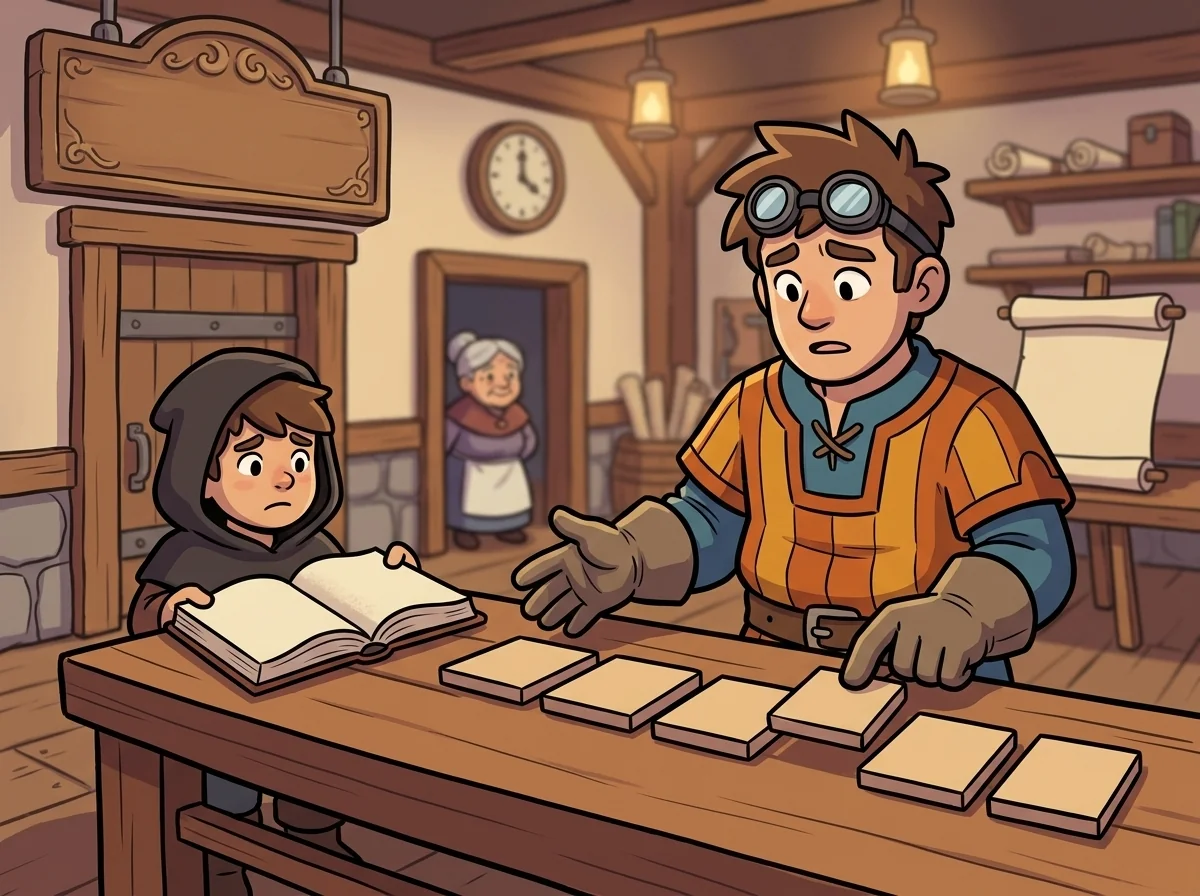
There is a symmetry Segwyn saved for Advanced readers, because it doubles what they can do.
"Blending is reading," he said. "You take the printed sounds and slide them together into a spoken word: print → speech. But run the engine the other way and you get spelling. You take a spoken word, segment it into its sounds, and write a spelling-tile for each one: speech → print." He wrote street by saying it slowly and placing a grapheme for each sound — s, t, r, ee, t. "Same engine, reversed. Reading is blending; spelling is segmenting. That's why the two grow together — every time you strengthen one direction, you strengthen the other. Most people think reading and spelling are separate subjects. They're one engine with a gear for each way."
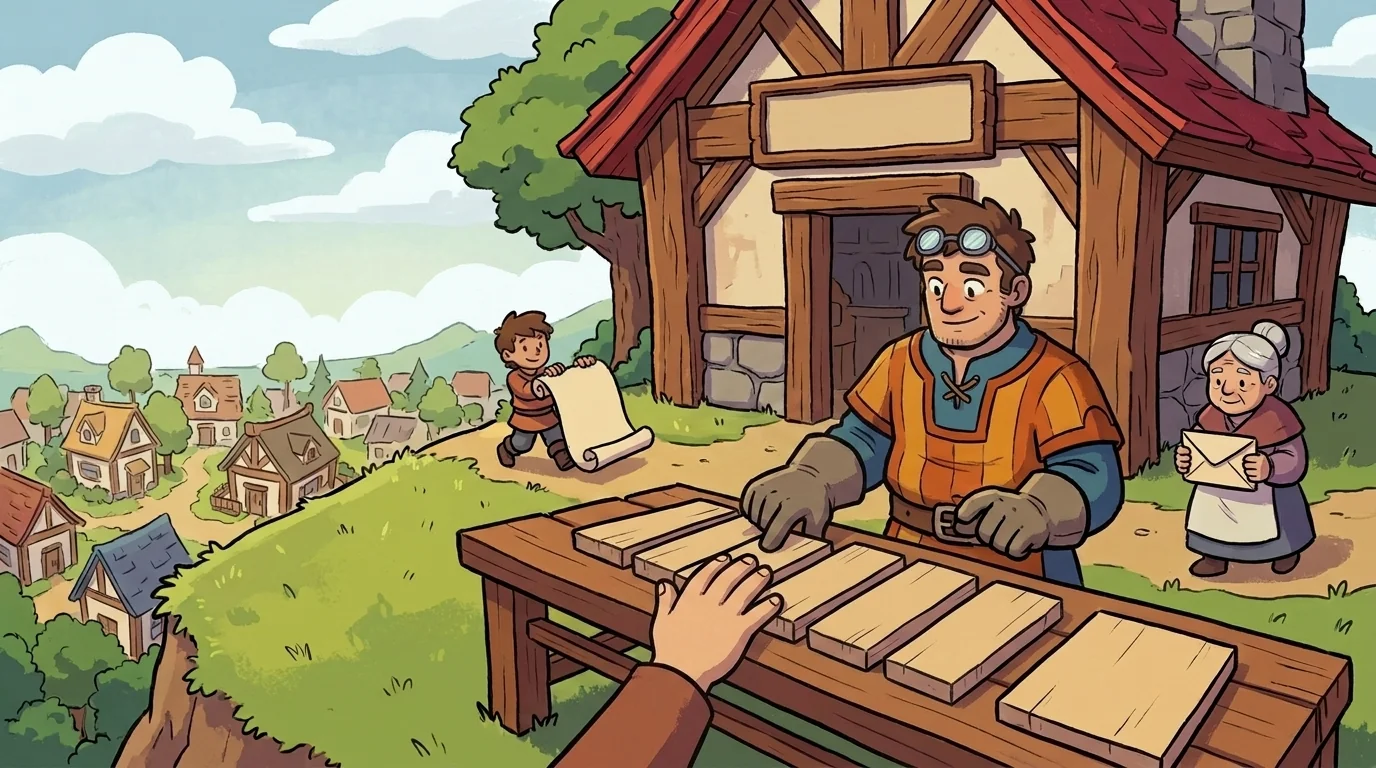
"And here is the subtle part," Segwyn went on, "the part that separates a sound from a letter. When you segment, you segment by sound, not by letter. Street has six letters but five sounds — the ee is one sound spelled with two letters. Ship has four letters but three sounds — the sh is one sound spelled with two. So the boxes you draw are sound-boxes, and each box can hold one, two, or three letters." He tapped his sound-boxes. "This is why counting letters lies to you and counting sounds tells the truth. When the mind stores a word for instant reading, it doesn't photograph the letters — it maps each sound to its spelling, and files it. Segment by sound, map to spelling, and the word becomes yours for good."
Rosa went back to her book and hit scrap, then splash, then strength — words she'd never been formally taught.
She didn't stall on any of them. She segmented each into its sounds — /s/k/r/a/p/, /s/p/l/a/sh/, /s/t/r/e/ng/th/ — noticing the sh and ng and th as single sounds in two letters, then blended each back into a whole word. Words she had never met, read correctly, built from the engine.
"That's the point," said Segwyn, calm and warm. "I can't teach you every word in the language. No one can — there are too many. But I can teach you the engine, and the engine reads words nobody taught you." He drew one more sound-box in the air. "Slide apart to see the sounds. Slide together to say the word. Reverse it to spell. Count sounds, not letters. That engine is yours now, and it will read the words you haven't even met yet."
Rosa's stalling-on-new-words dread settled into a builder's calm. She wasn't waiting to recognize words anymore. She was building them.
The DecodeForge ensemble
Segwyn is part of DecodeForge's distributed-narrative cast. Each character embodies a different curricular primitive; together they teach the full subject.
-
Chip
Syllable division — chips a big word into syllable chunks you can actually say
-
Digby
Digraphs — fuses two letters into ONE sound (the 'one-breath' trick)
-
Blenda
Consonant blends — smashes a cluster together so each sound still shows
-
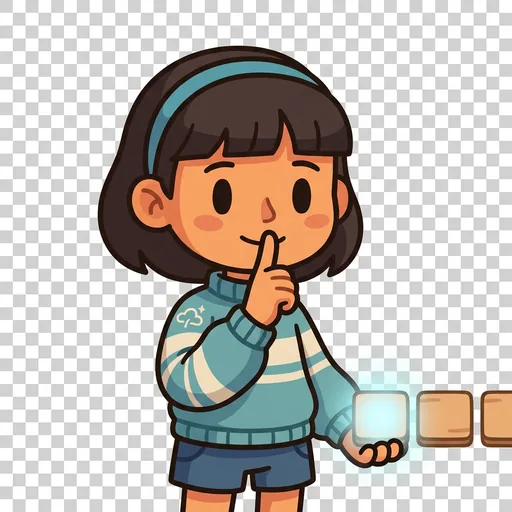
Silent Ellie
Silent / magic-e — stands silent at a word's end and makes the vowel say its name
-
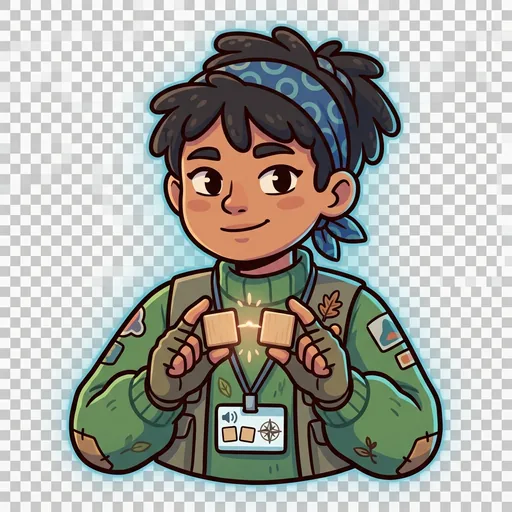
Sylva
Vowel teams — pairs two vowels so the first does the talking
-
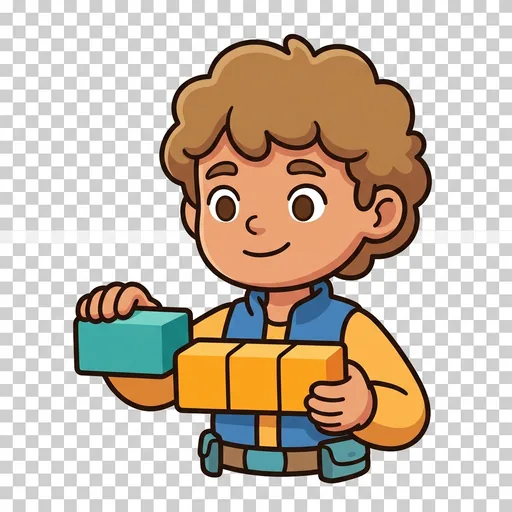
Prefa
Prefixes — clips a meaning-unit onto the FRONT of a word
-
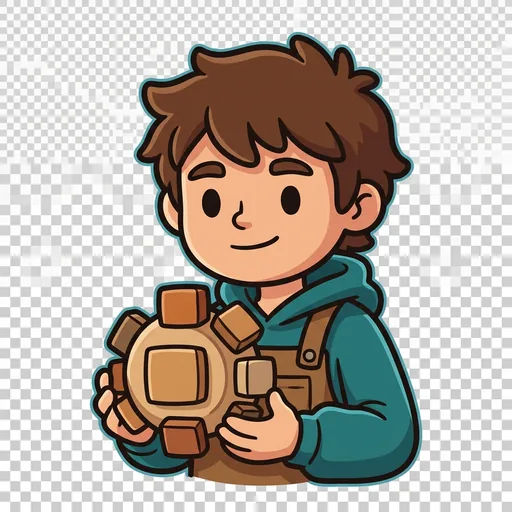
Rootley
Roots / bases — holds the meaning core everything attaches to
-
Fixby
Suffixes — tacks a meaning-unit onto the END and guards the spelling-change rule
-

Fluenna
Fluency — reads the same passage until it flows, keeping the beat (repeated reading)
-
Mapper
Phoneme-grapheme mapping — maps each sound to its spelling tile on the board