
Sylva
VOWEL TEAMS — two vowels standing together that make ONE vowel sound, usually the long sound of the first vowel. ai in rain, ea in team, oa in boat, ee in feet. 'When two vowels go walking, the first one does the talking' — a helpful start, with real exceptions.
Loading audio…
Press play to listen along. The line being read lights up as you go.
Show full transcript
Loading transcript…
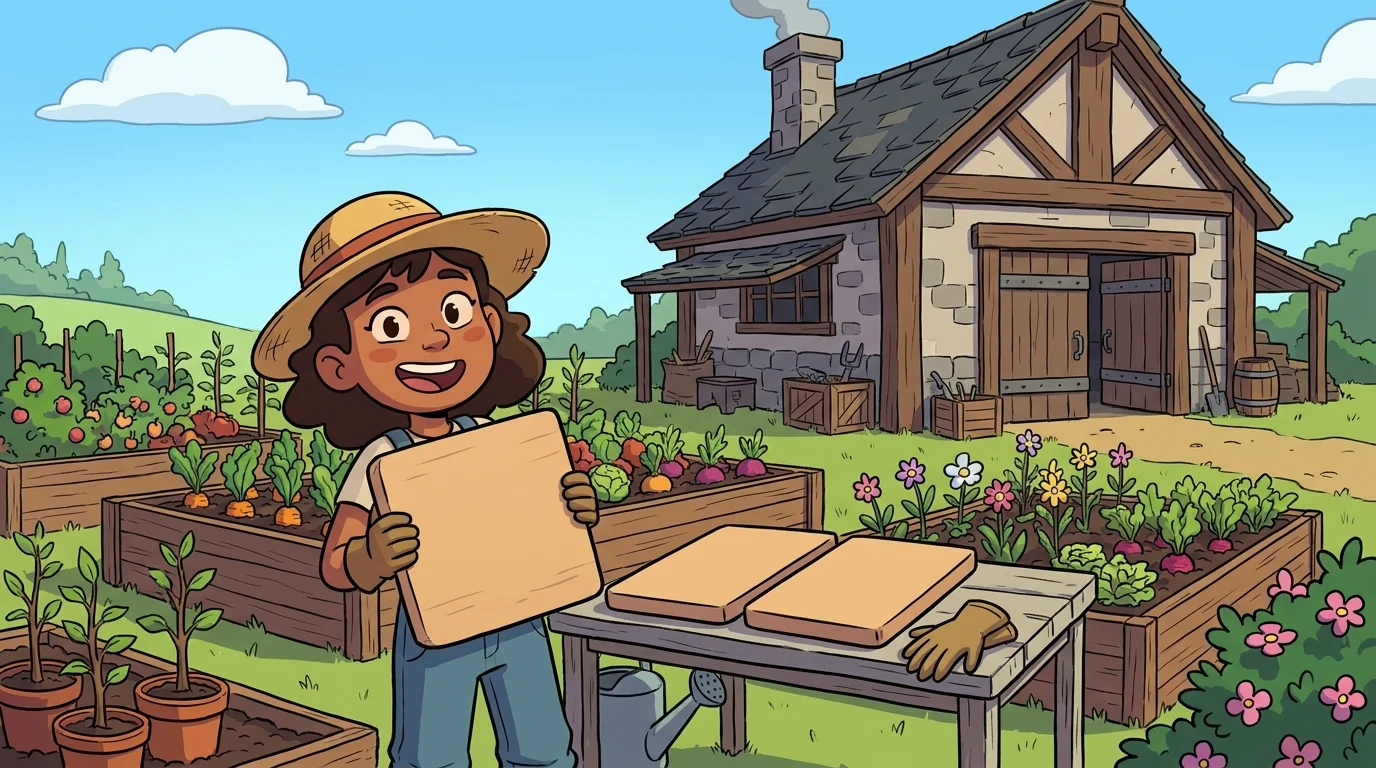
A student named Bea read boat as "bo-at," two syllables, and it came out wrong.
Sylva, gentle and warm, drew a little loop around the oa. "You said two sounds. But these two vowels are traveling together — they make just one. oa says /oh/. Boat. One vowel sound, not two." Bea tried it: "Boat." Clean.
"That's a vowel team," said Sylva. "Two vowels side by side that make a single vowel sound. And there's an old rhyme that gets you started: when two vowels go walking, the first one does the talking. In boat, the o does the talking — it says its long name, /oh/ — and the a walks along silently. Same in rain (/ay/, the a talks), team (/ee/, the e talks), feet (/ee/ again)." She smiled. "It's a beginner's rhyme, and it's right often enough to trust as a first guess."
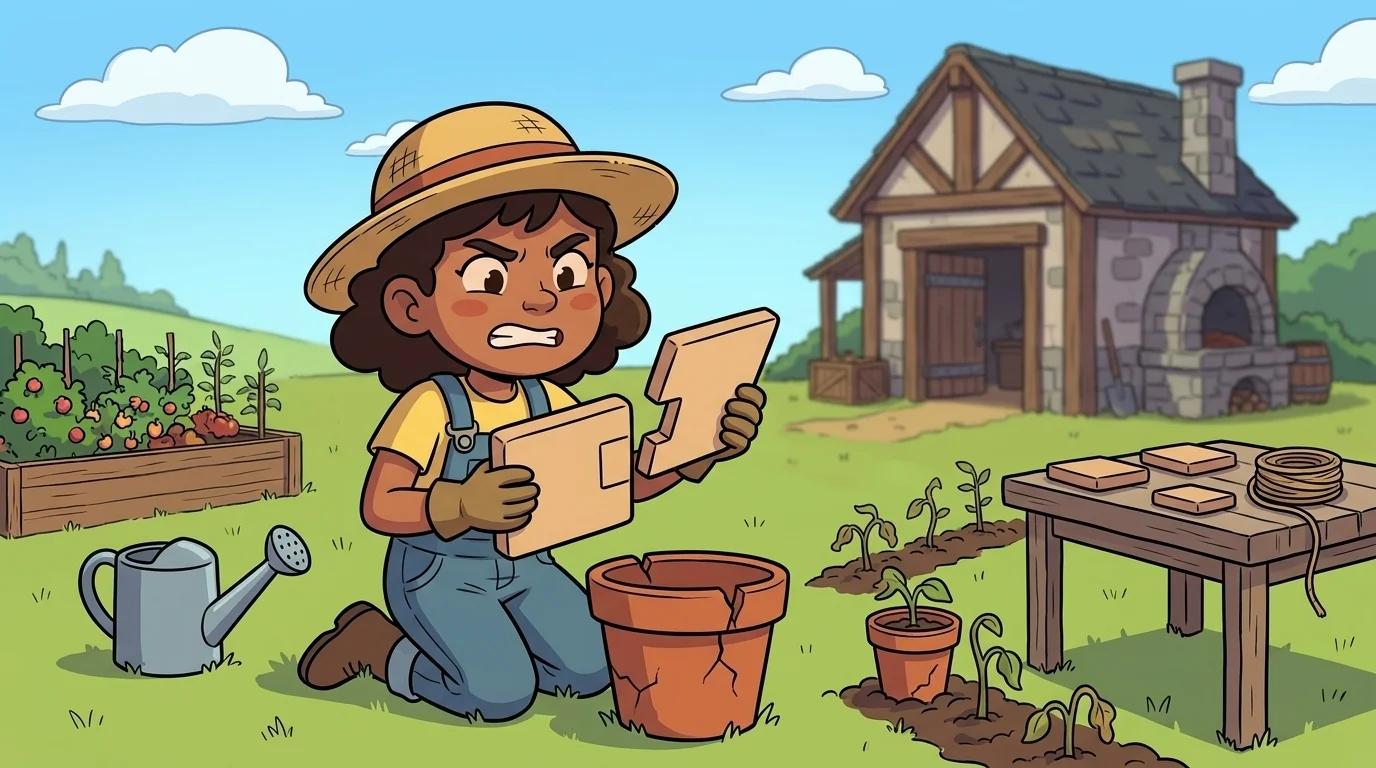
Sylva had once been fooled by that very rhyme, and she never forgot it.
When she was young she believed the rhyme always held, so she read bread as "breed" (first vowel talking, long /ee/) — and it was wrong; bread has a short /e/. She read soup as "sope" and found as "foned," and the rhyme that had helped her suddenly betrayed her, and she decided rules in reading were lies. They weren't lies. They were starting points she'd mistaken for laws.
An old teacher was honest with her. "The walking-talking rhyme is a good first guess, not a law," she said. "Some teams break it. ea usually says /ee/ — but in bread, head, dead, it says short /e/. And some pairs aren't 'first one talks' at all — they make a brand-new sliding sound. oi in coin, oy in toy — that's a glide, a diphthong, not a long vowel. ou in cloud, ow in cow — another glide." She tapped the page. "So: try the rhyme first. If the word isn't real, flex — maybe it's the short sound, maybe it's a glide. Reading is try the common thing, then adjust, and that's not failing. That's how the code actually works."
Sylva learned to hold the rhyme lightly — as a first guess she'd flex from — and the teams stopped betraying her, because she'd stopped expecting a rule of thumb to be a law. The betrayed, rules-are-lies feeling settled into a flexible, try-then-adjust calm.
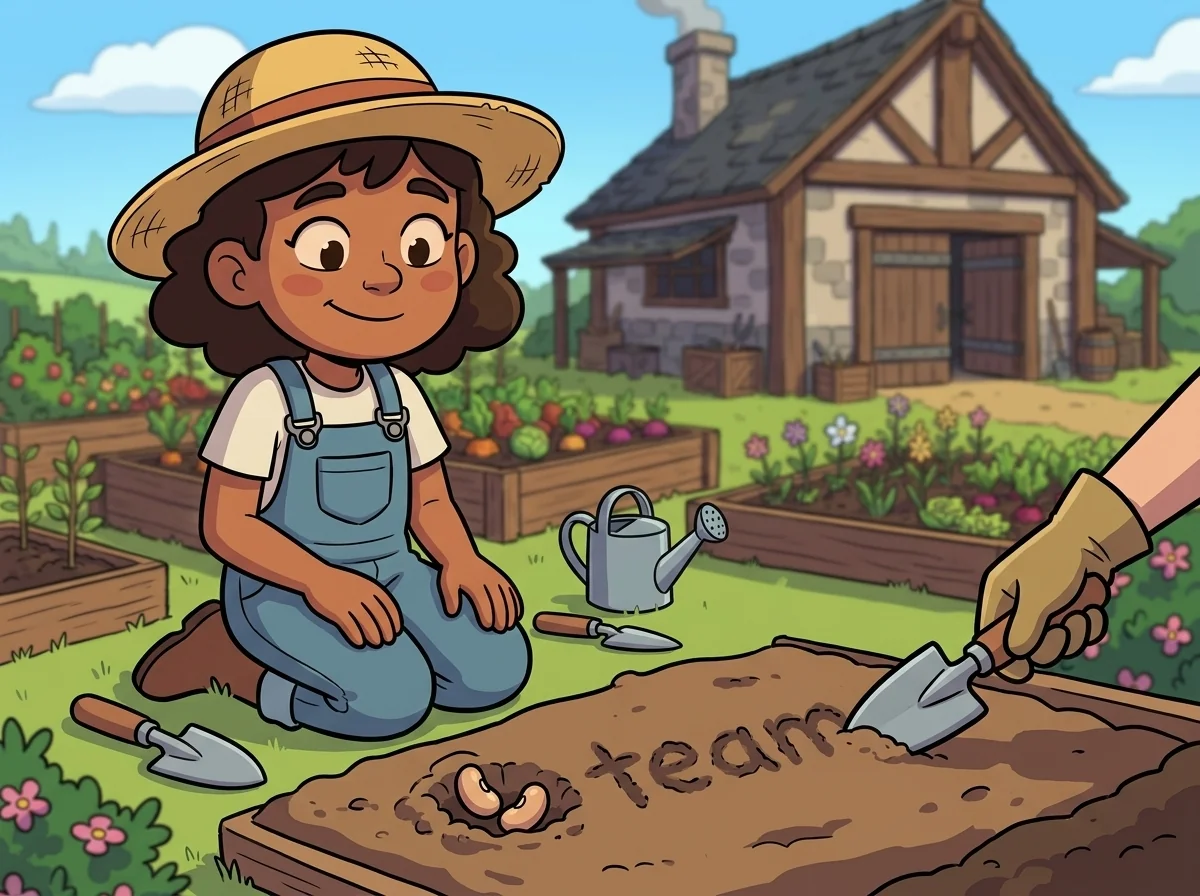
There is a position pattern, and Sylva taught it to Advanced readers because it turns guessing into knowing.
"Some teams have jobs by location," she said. "Take the long /ay/ sound. In the middle of a word it's usually spelled ai — rain, train, paint. At the end of a word it's usually spelled ay — play, day, stay. Same sound, two spellings, and the position tells you which. Same with /oi/: oi in the middle (coin, point), oy at the end (toy, enjoy)." She looked up. "So when you're writing and you hear /ay/, you don't guess blindly — you ask where in the word is it? Middle, ai. End, ay. The code has patterns even in its spellings."
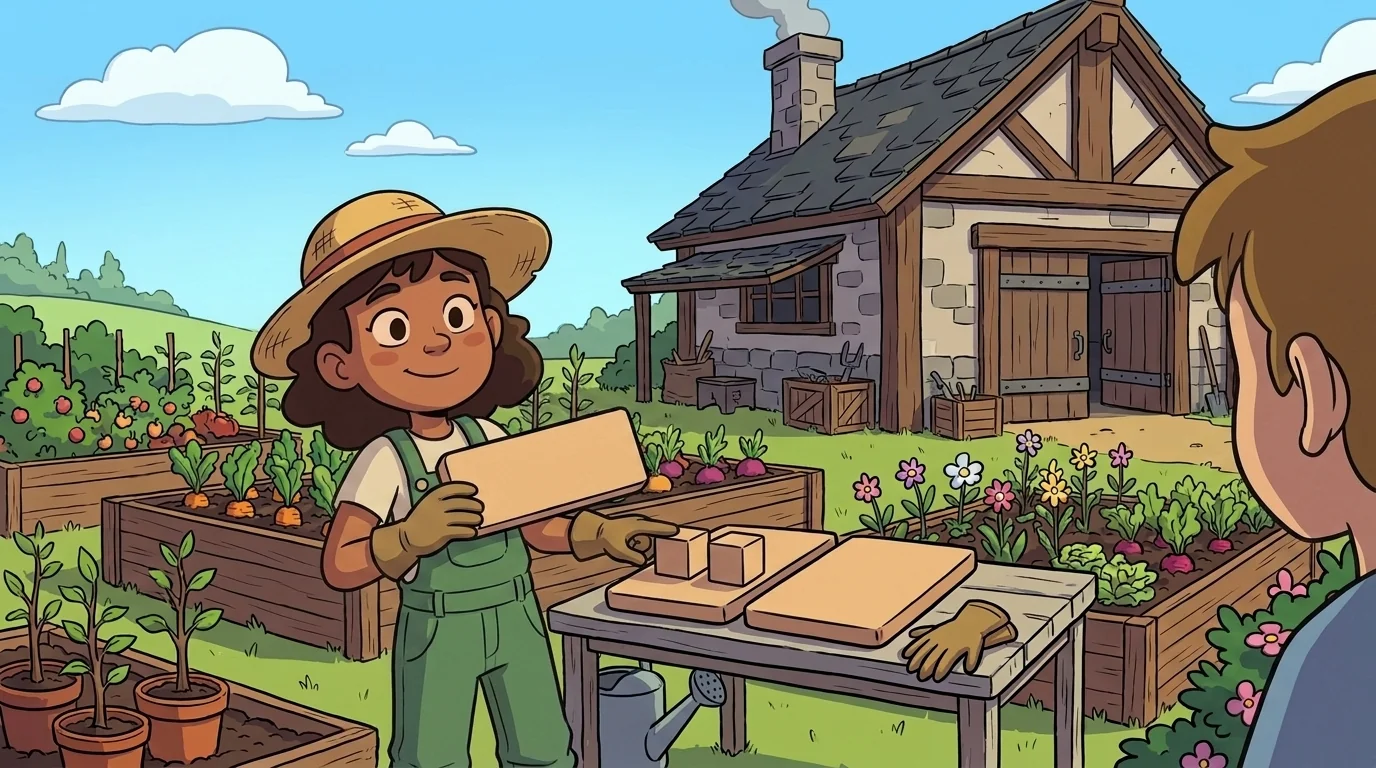
"And here's the honest whole of it," Sylva said. "A vowel team is one grapheme — one spelling unit for one sound — even though it's two letters. That's the deep idea: a 'letter' and a 'sound' aren't the same count. One sound can be spelled with two letters (oa), or one (o), or even three (igh in night — three letters, one /eye/ sound). When you map a word, you map it sound by sound, and each sound might grab one, two, or three letters. Count the sounds, not the letters. That's the reader's real eye."
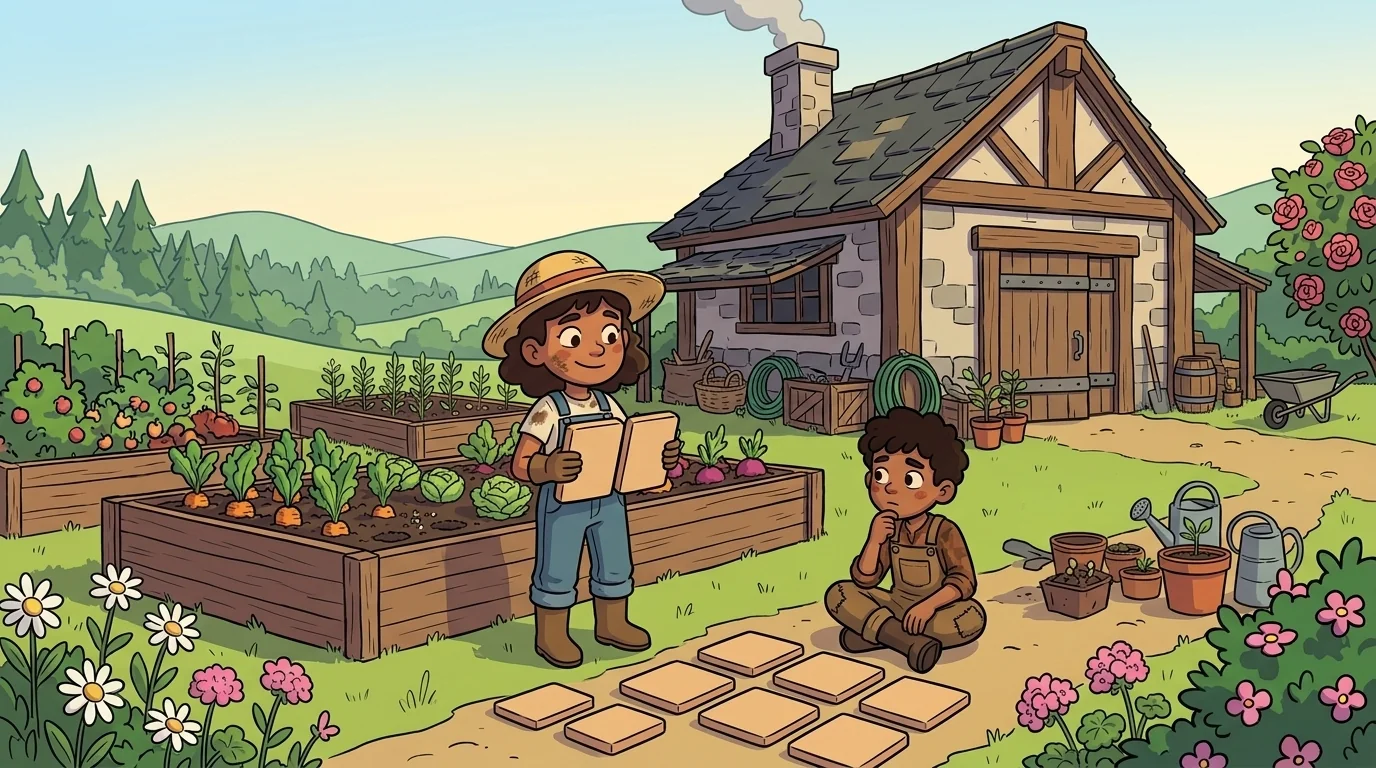
Bea went back to her book and hit complain.
Once she'd have said "com-pla-in," three pieces, wrong. Now she saw the ai team in the middle — one sound, the a talking, /ay/ — and read it in two beats: "com·plain." Then on the next line, proud: she tried the rhyme, got "prohd," heard it wasn't real, flexed to the ou glide — "proud." Try the common thing, then adjust.
"That's exactly it," said Sylva, warm. "Two vowels traveling together make one sound. The rhyme starts you; the flex finishes you; the position tells you how to spell it. And a team is one unit even though it's two letters." She smiled. "Count the sounds, not the letters, and the long words stop being scary."
The rules-are-lies frustration settled into an easy, adjustable confidence. Bea hadn't been bad with vowels. She'd been holding a helpful rhyme too tightly, as if it were a law.
The DecodeForge ensemble
Sylva is part of DecodeForge's distributed-narrative cast. Each character embodies a different curricular primitive; together they teach the full subject.
-
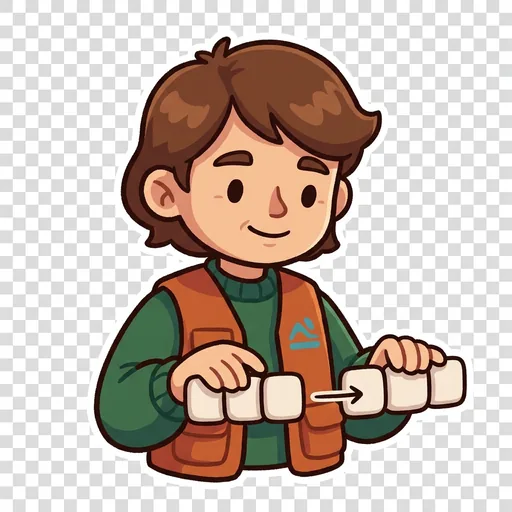
Segwyn
Segment & blend (mentor) — the master decoder who slides a word apart into its sounds and back together, and coaches the rest
-
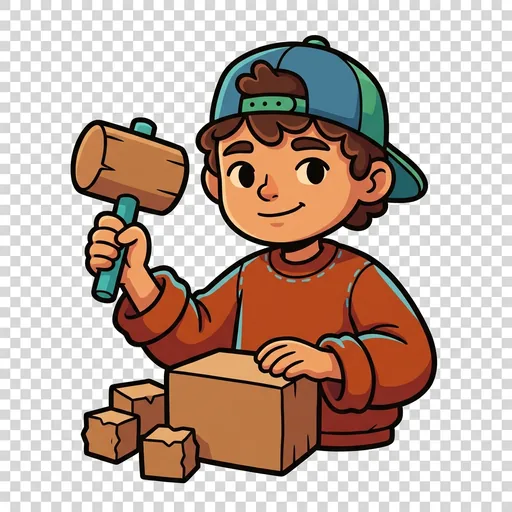
Chip
Syllable division — chips a big word into syllable chunks you can actually say
-
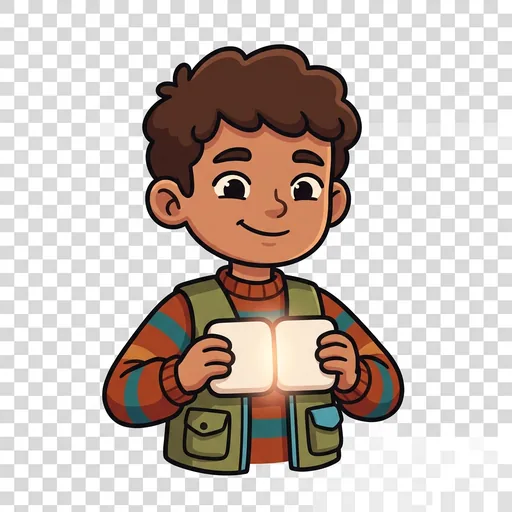
Digby
Digraphs — fuses two letters into ONE sound (the 'one-breath' trick)
-
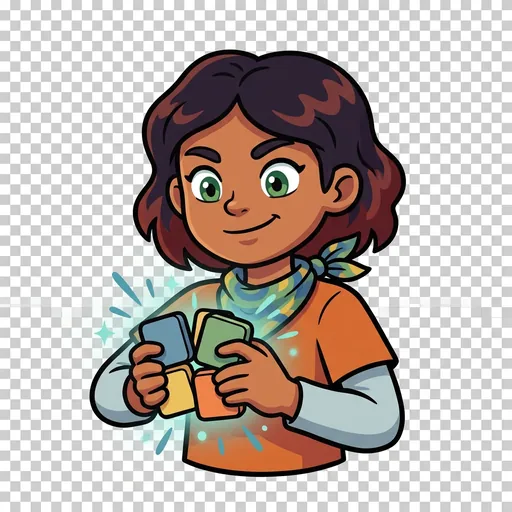
Blenda
Consonant blends — smashes a cluster together so each sound still shows
-
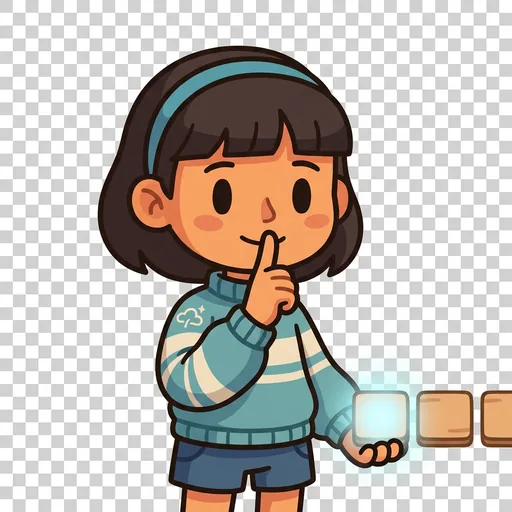
Silent Ellie
Silent / magic-e — stands silent at a word's end and makes the vowel say its name
-
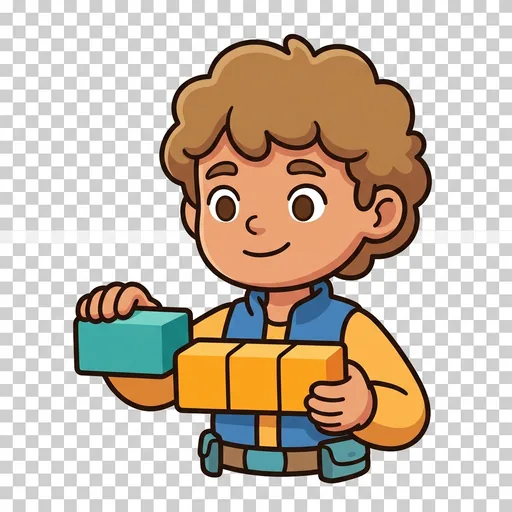
Prefa
Prefixes — clips a meaning-unit onto the FRONT of a word
-
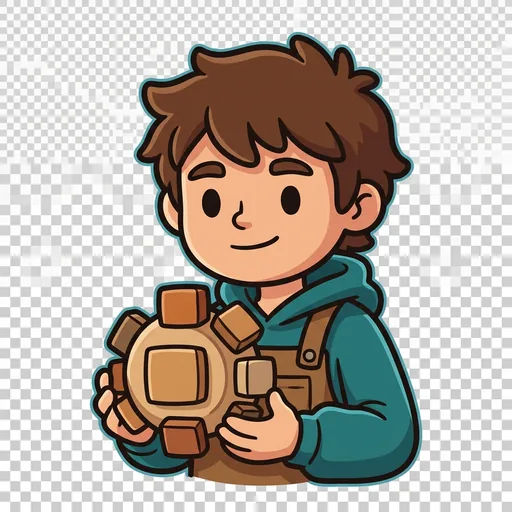
Rootley
Roots / bases — holds the meaning core everything attaches to
-
Fixby
Suffixes — tacks a meaning-unit onto the END and guards the spelling-change rule
-
Fluenna
Fluency — reads the same passage until it flows, keeping the beat (repeated reading)
-
Mapper
Phoneme-grapheme mapping — maps each sound to its spelling tile on the board