
The Morpheme Family (Prefa · Rootley · Fixby)
MORPHOLOGY — long words are built from meaning-parts. A prefix on the front (un- = not), a root in the middle (break = the core), and a suffix on the end (-able = able to be) combine into un·break·able = 'not able to be broken.' Read the parts, know the whole word and what it means.
A story read by The Morpheme Family (Prefa · Rootley · Fixby)
Loading audio…
Press play to listen along. The line being read lights up as you go.
Show full transcript
Loading transcript…
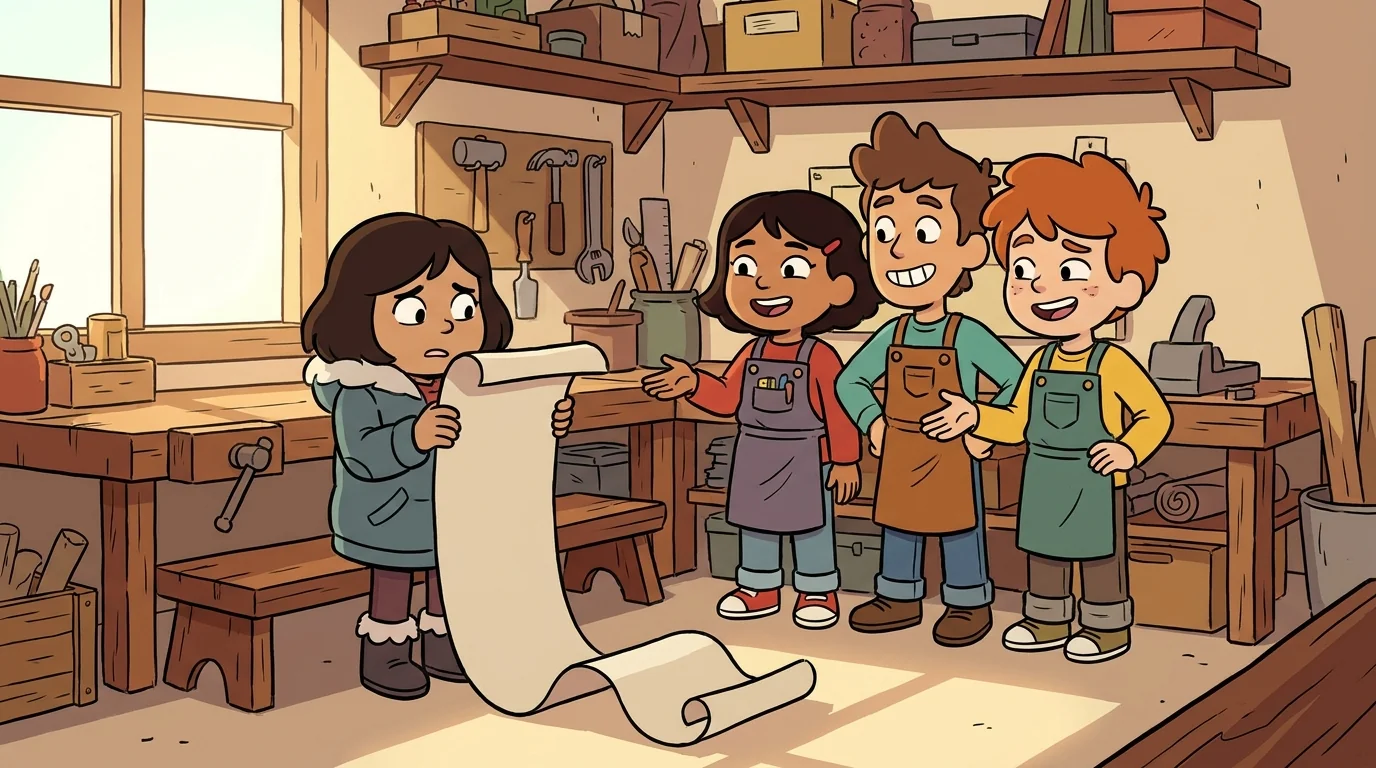
A student named Zaina met unbreakable and quailed. Eleven letters. It might as well have been a wall.
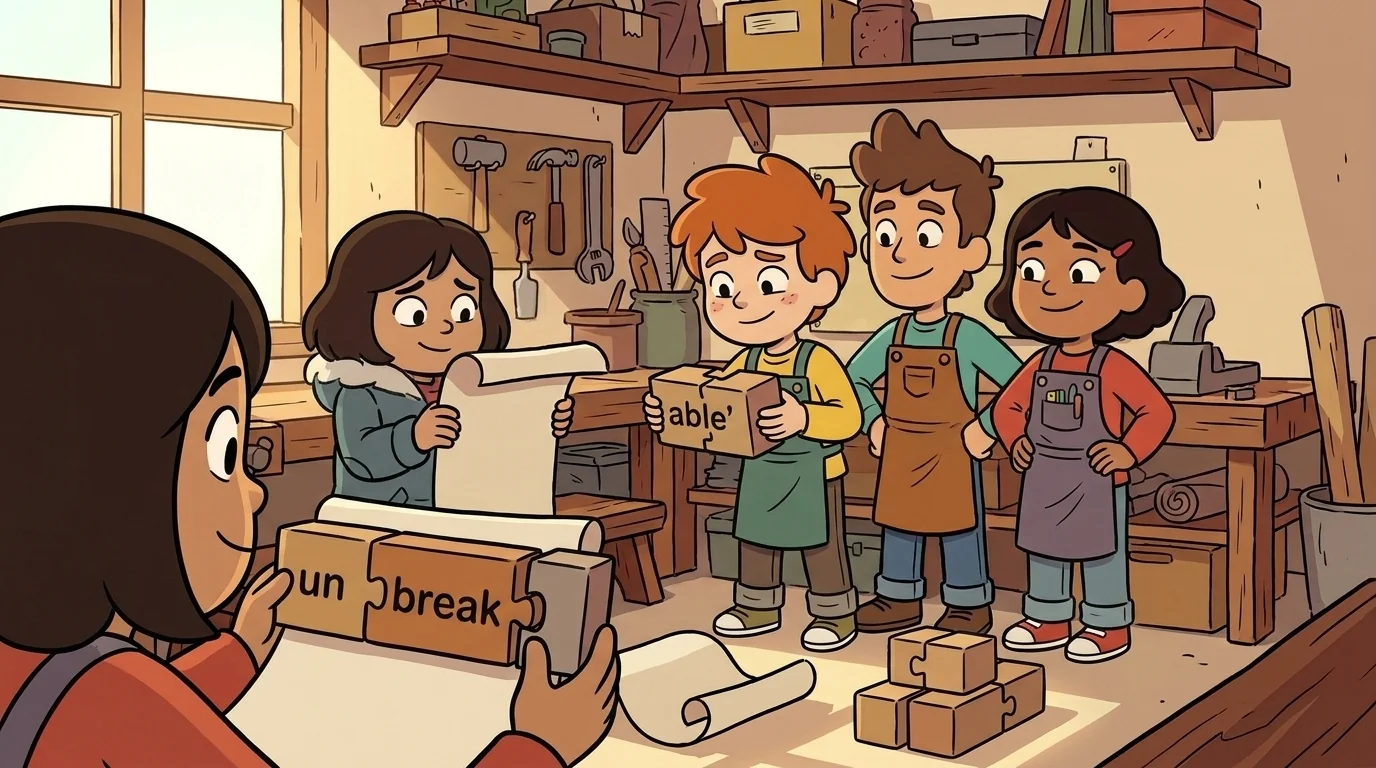
Then the whole Morpheme Family arrived. Rootley went straight to the middle and circled the core. "break. That's the root — the meaning-heart. You already know it: to break." Prefa clipped a chunk onto the front. "un- — that means 'not.'" Fixby fastened a chunk onto the end. "-able — 'able to be.'" They stepped back, and the wall had become three meaning-parts standing in a row: un · break · able.
"Now read the parts and stack the meanings," said Rootley. "'Not' — 'break' — 'able to be.' Un-break-able: not able to be broken." Zaina read it whole, and understood it, and had never been taught it. "You didn't sound out eleven letters," said Prefa. "You read three meaning-chunks. That's morphology."
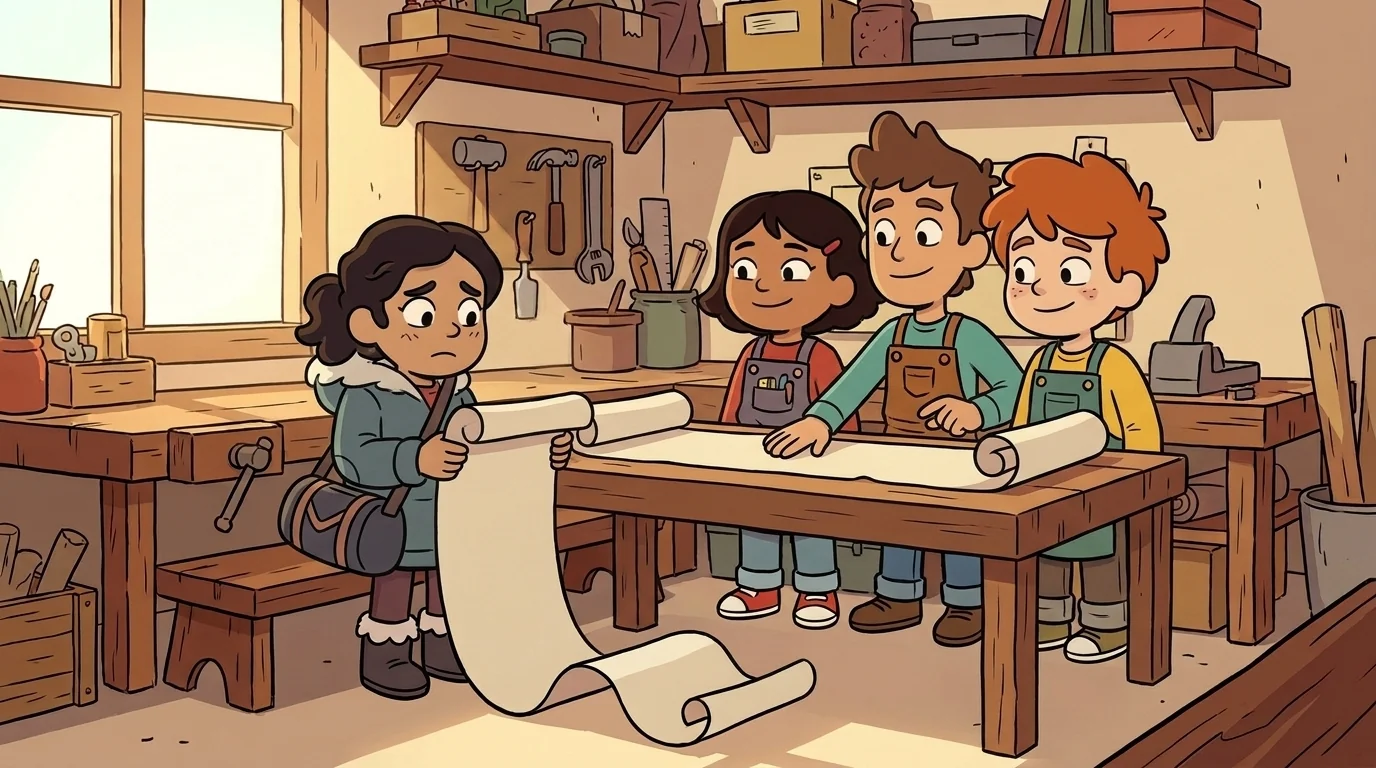
Each of them had, alone, been only part of the answer — and they'd learned it the hard way.
Prefa, when young, had read fronts as chunks but ignored the middles and ends, so she'd get 'not… something' and stall. Rootley had known his roots but tried to read the prefixes and suffixes letter by letter, drowning at the edges of words. Fixby had mastered the seam-endings but had no idea what the cores meant, so she could spell a long word and not understand it.
"I had the front," said Prefa. "I had the core," said Rootley. "I had the end," said Fixby. "And none of us, alone, could build a whole long word." They'd met over one eleven-letter monster, each contributing a part, and discovered the truth: a long word is not a wall of letters. It is a family of meaning-parts, and you read it the way you'd greet a family — each member in turn, front to core to end.
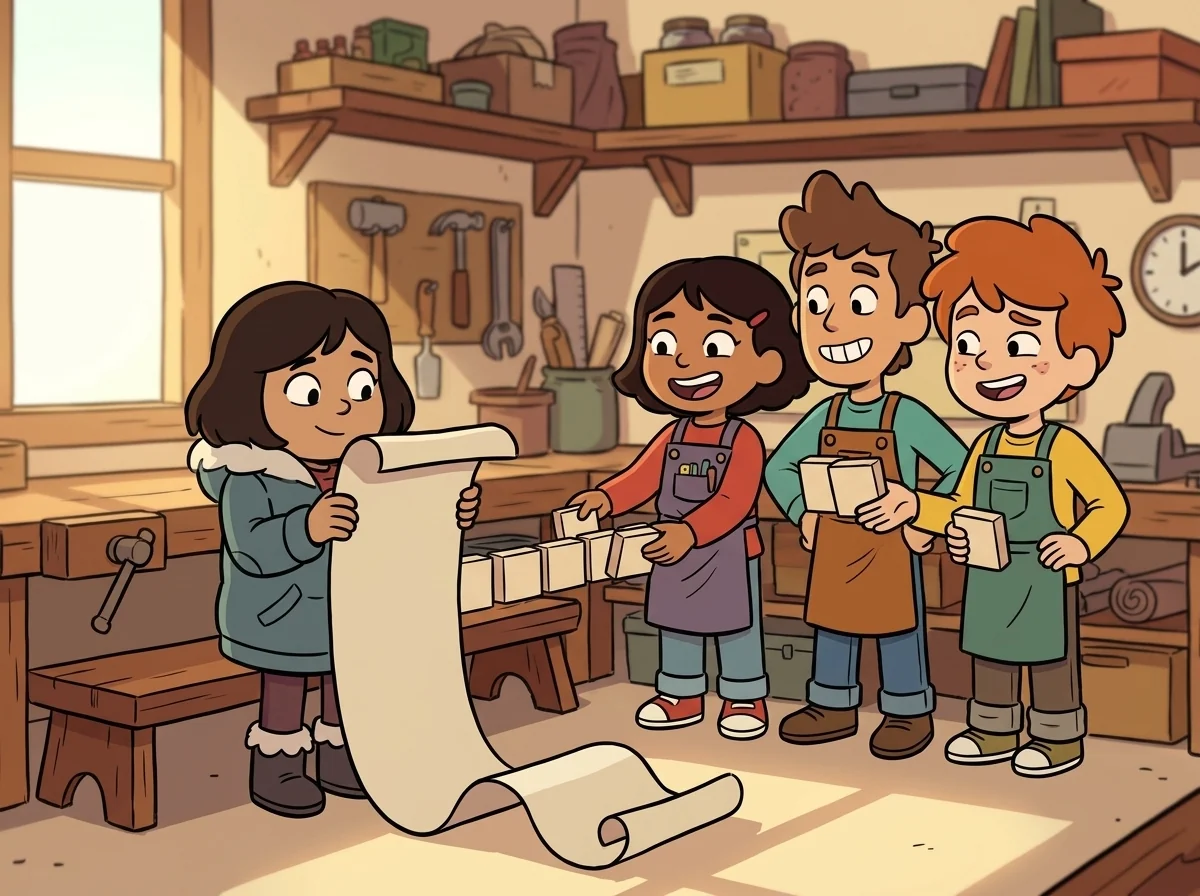
There is a deep power here, and together they gave it to Advanced readers.
"A morpheme is the smallest piece of a word that carries meaning," said Rootley. "A root is a morpheme. A prefix is a morpheme. A suffix is a morpheme. Long academic words are just stacks of them." Prefa nodded. "So when you meet a scary word, you don't panic — you look for its parts. Front: any prefix I know? Middle: any root I know? End: any suffix I know?" Fixby finished: "And each part gives you two things at once — a chunk you don't have to sound out letter by letter, AND a piece of the meaning. Morphology helps you decode the word and understand it, in the same move. That's why it's the most powerful tool for the long words that fill real books."
"And here's the honest craft," said Fixby, "the seam-care where we join. When we attach, the spelling sometimes shifts right at the seam — my rules. rely + -able isn't relyable; the y becomes i: reliable. hope + -ful keeps the e because -ful starts with a consonant: hopeful. And Rootley's roots sometimes change their coat — duc becomes duct." Rootley added, "So look for the meaning-part, even when its spelling flexes a little at the join. The family stays a family even when its members dress slightly differently to stand together."
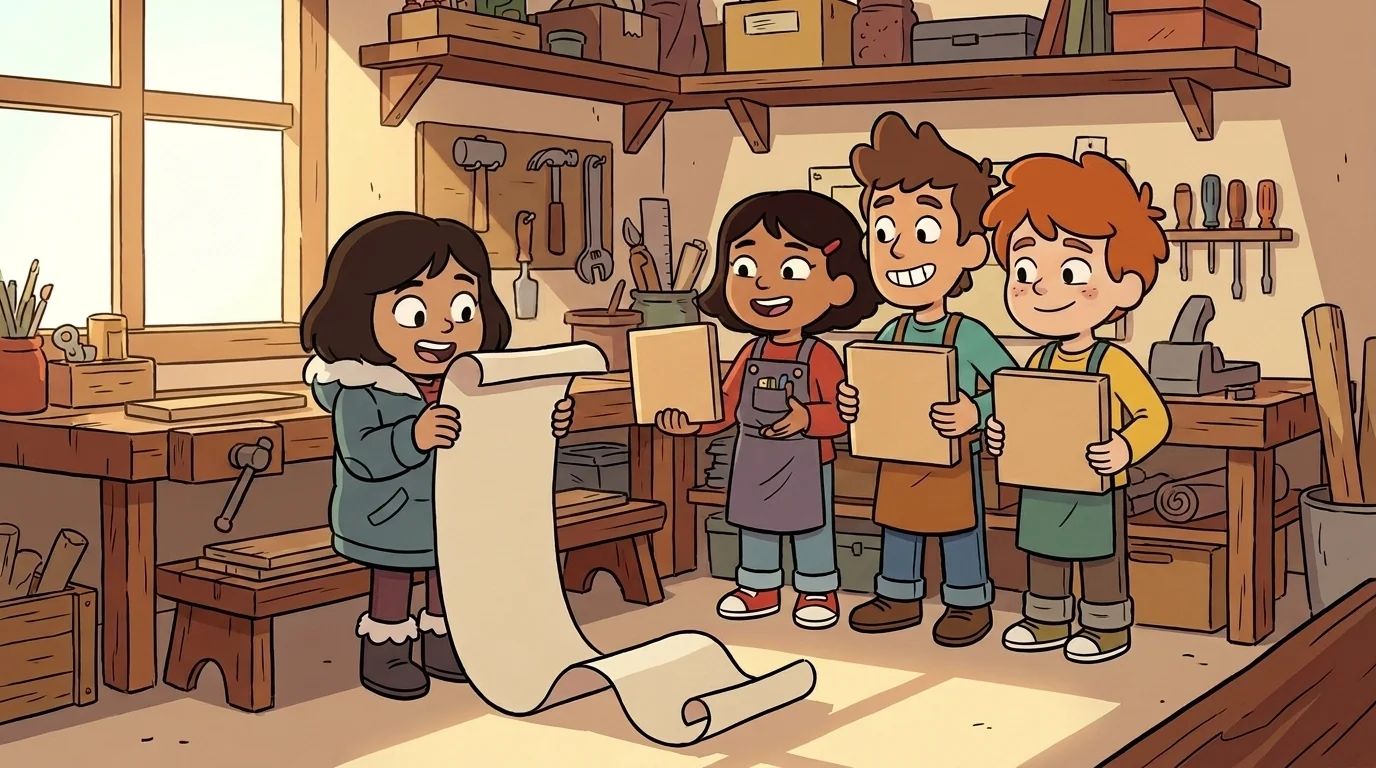
Zaina went back to her book and hit misunderstanding — fifteen letters.
Once, unthinkable. Now she called the family. Prefa: "mis- — 'wrongly.'" Rootley: "understand — the core; you know it." Fixby: "-ing — 'the act of.'" She stacked the meanings: 'wrongly' — 'understand' — 'the act of.' Misunderstanding: the act of understanding wrongly. Fifteen letters, read as three meaning-parts, understood on first meeting.
"That's the whole thing," said the Morpheme Family together. "A long word isn't a wall. It's a family of meaning-parts — a front, a core, an end. Read the parts, stack the meanings, and you know the word and what it means — even one you've never seen." Prefa clipped, Rootley planted, Fixby fastened. "Front, core, end. That's how the biggest words in the language come apart in your hands."
Zaina's fifteen-letter dread settled into a part-finder's confidence. She hadn't been bad at big words. She'd been meeting them as walls, when they were families all along.
The DecodeForge ensemble
The Morpheme Family (Prefa · Rootley · Fixby) is part of DecodeForge's distributed-narrative cast. Each character embodies a different curricular primitive; together they teach the full subject.
-
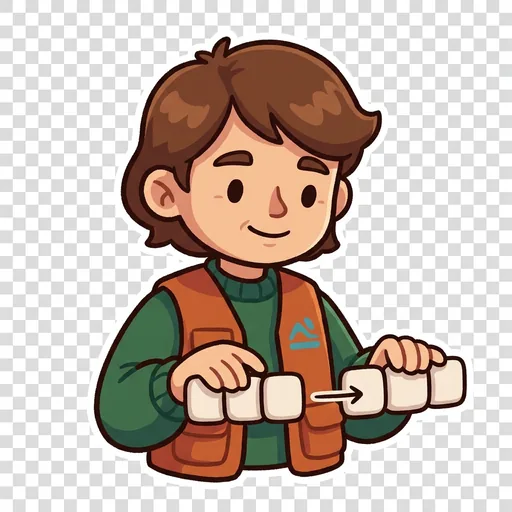
Segwyn
Segment & blend (mentor) — the master decoder who slides a word apart into its sounds and back together, and coaches the rest
-
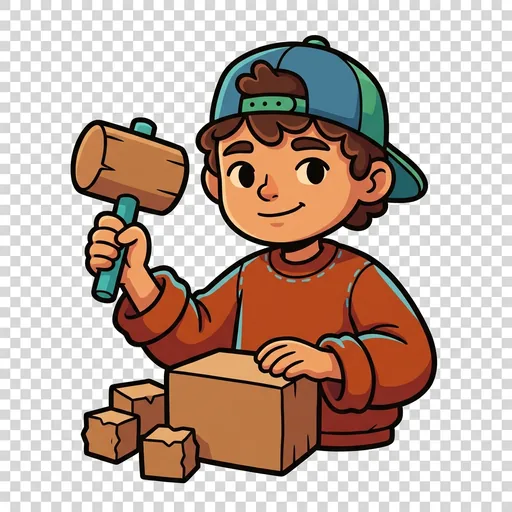
Chip
Syllable division — chips a big word into syllable chunks you can actually say
-

Digby
Digraphs — fuses two letters into ONE sound (the 'one-breath' trick)
-
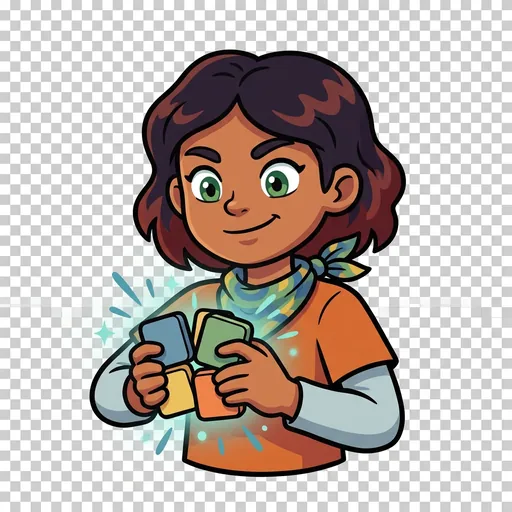
Blenda
Consonant blends — smashes a cluster together so each sound still shows
-
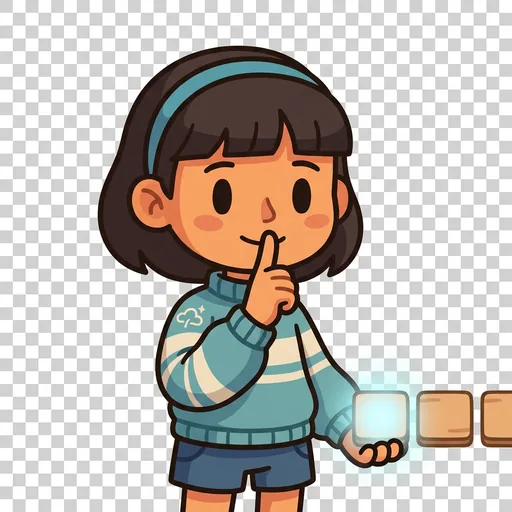
Silent Ellie
Silent / magic-e — stands silent at a word's end and makes the vowel say its name
-
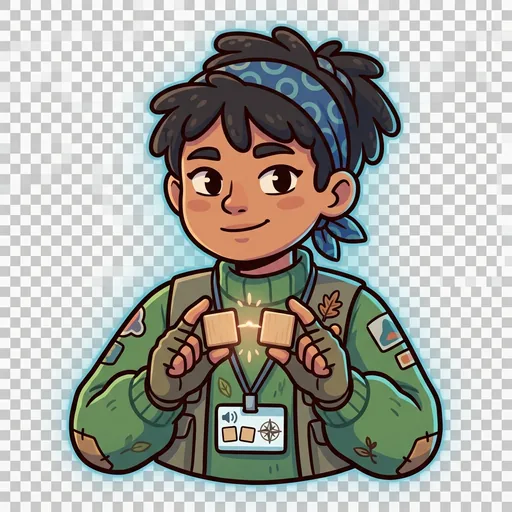
Sylva
Vowel teams — pairs two vowels so the first does the talking
-
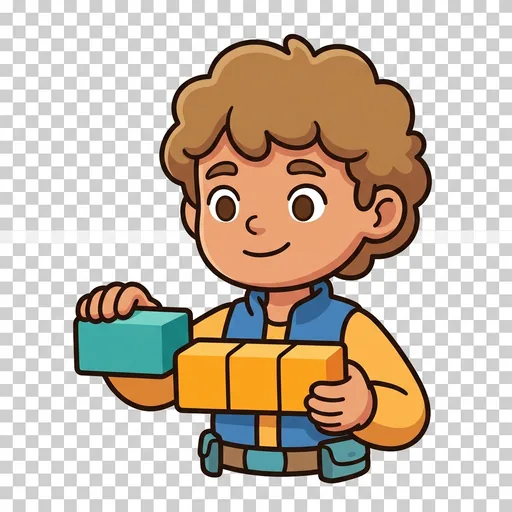
Prefa
Prefixes — clips a meaning-unit onto the FRONT of a word
-
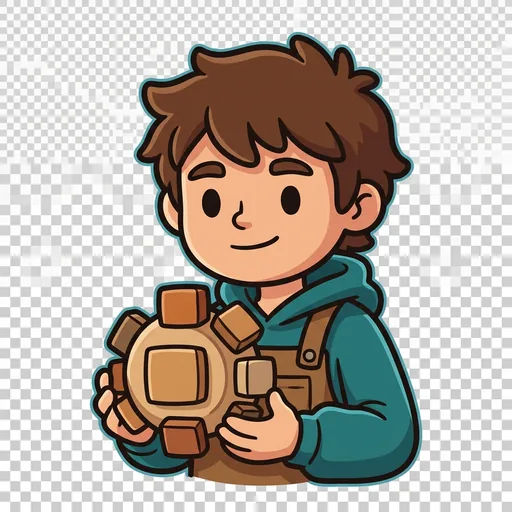
Rootley
Roots / bases — holds the meaning core everything attaches to
-
Fixby
Suffixes — tacks a meaning-unit onto the END and guards the spelling-change rule
-
Fluenna
Fluency — reads the same passage until it flows, keeping the beat (repeated reading)
-

Mapper
Phoneme-grapheme mapping — maps each sound to its spelling tile on the board