
Argent
STATUS DRESS — what a person is allowed, required, or forbidden to wear encodes rank, role, and social structure, so dress is a readable map of a society's order; the RULES around dress (not just its cost) carry the meaning
Loading audio…
Press play to listen along. The line being read lights up as you go.
Show full transcript
Loading transcript…
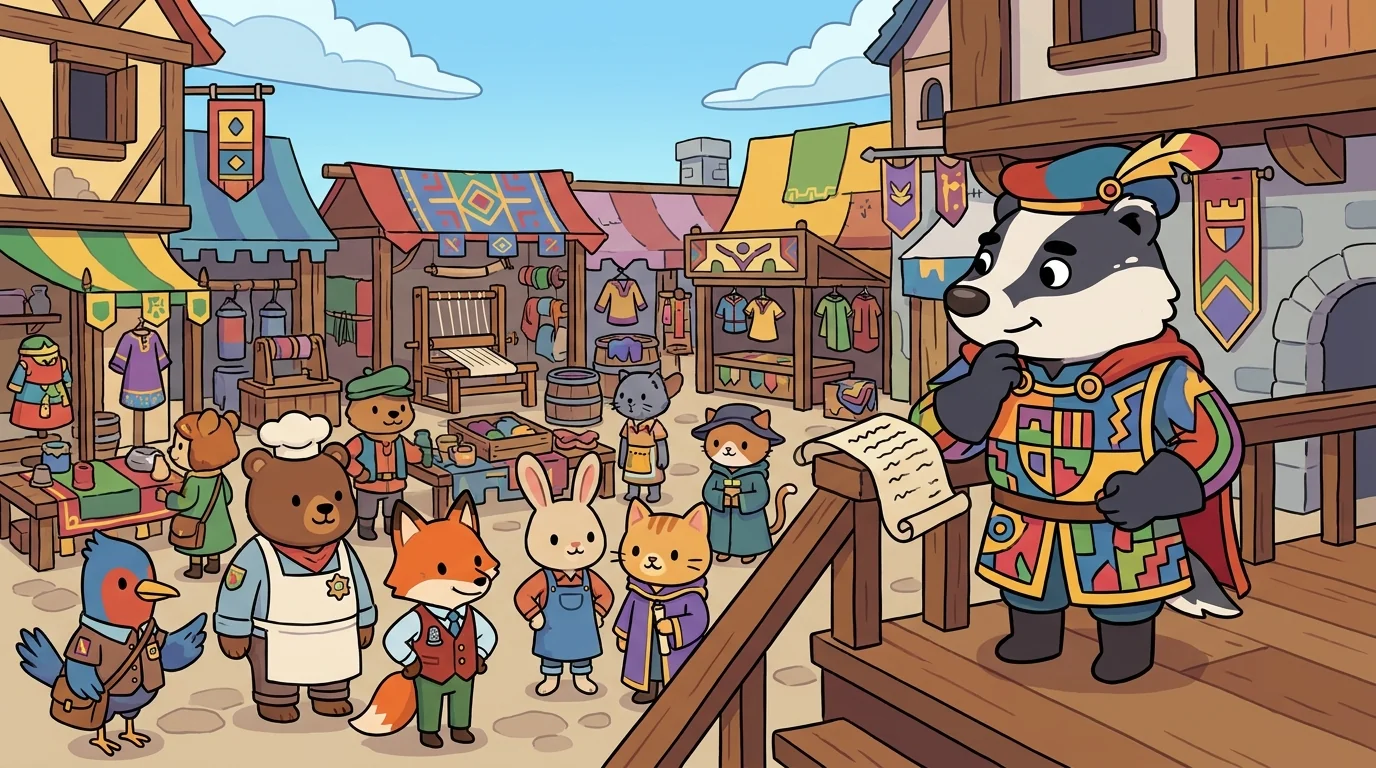
Argent read dress the way a herald reads a banner — looking for the signals of role and rank. But Argent's real skill wasn't noticing what someone wore; it was noticing what they were allowed, required, or forbidden to wear. "The garment tells you something," Argent said, formal and kind. "But the rules around the garment tell you far more — they draw the map of how a society was ordered."
The apprentice asked what a rule could show that the cloth itself couldn't.
"The shape of the whole society," Argent said. "Watch."
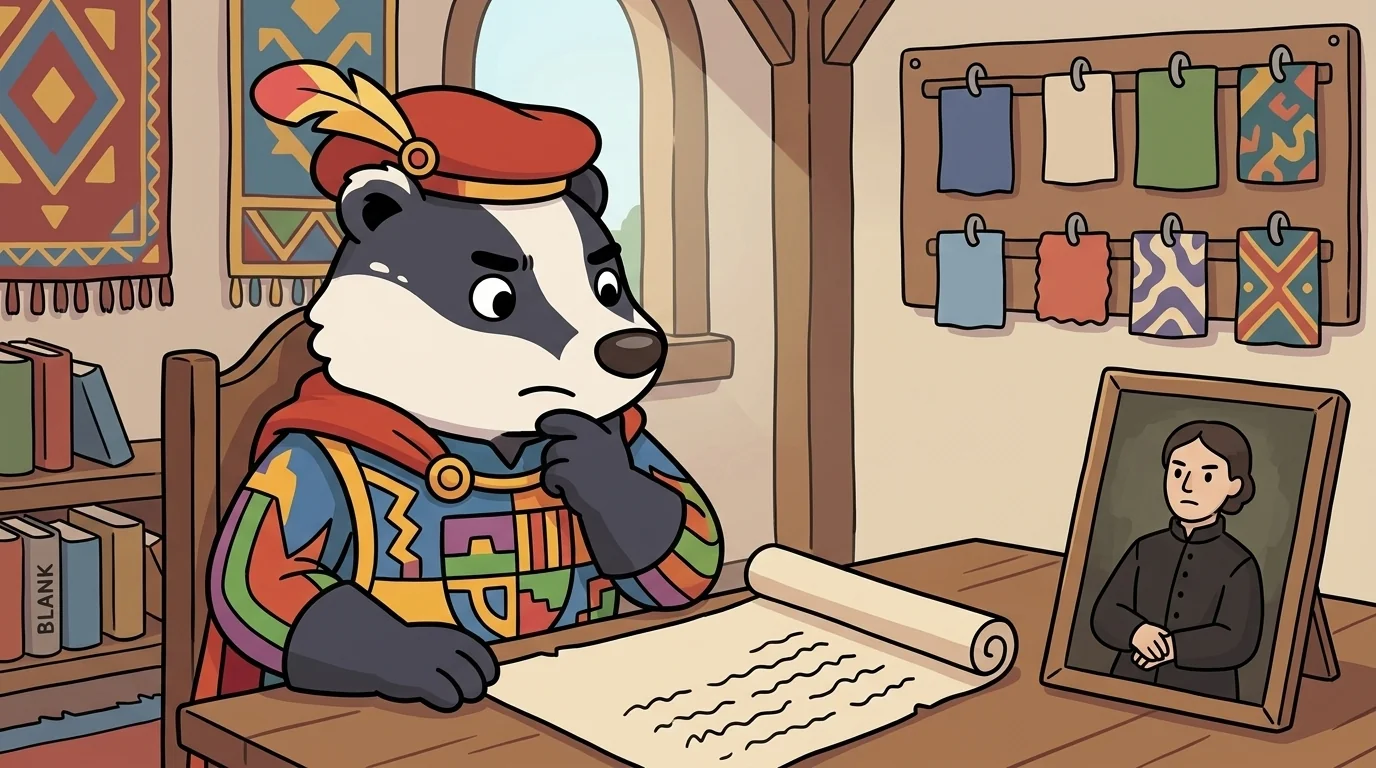
Argent taught the first Advanced idea: permissions and requirements encode structure.
"In many societies, dress wasn't only a matter of taste or wealth — it was governed by rules," Argent said. "Certain materials, colours, or ornaments were reserved for certain roles. Some people were required to wear a particular mark of their position; others were forbidden from wearing what wasn't theirs. When you find such a rule, you've found the society drawing its own map: this signal belongs to this role, that one to that role." Argent traced an invisible hierarchy in the air. "So a mark of dress can be a kind of badge of office — and the system of badges reveals who held which place. Read the permissions, and you read the structure."

The apprentice wondered why a society would bother to rule what people wore.
"Because dress is visible, instantly," Argent said. "You can see a person's role across a crowded room before they speak. A society that wants everyone to know their place at a glance uses dress to broadcast it — role made visible, rank made legible. So the strictness of the dress-rules is itself a clue: heavy, detailed rules about who wears what suggest a society that cared intensely about marking its divisions. Looser rules suggest a different arrangement. The rulebook of dress is a portrait of what a society thought mattered." Argent inclined its head. "Even a forbidding — 'this may not be worn by that role' — tells you exactly which line the society was anxious to keep drawn."
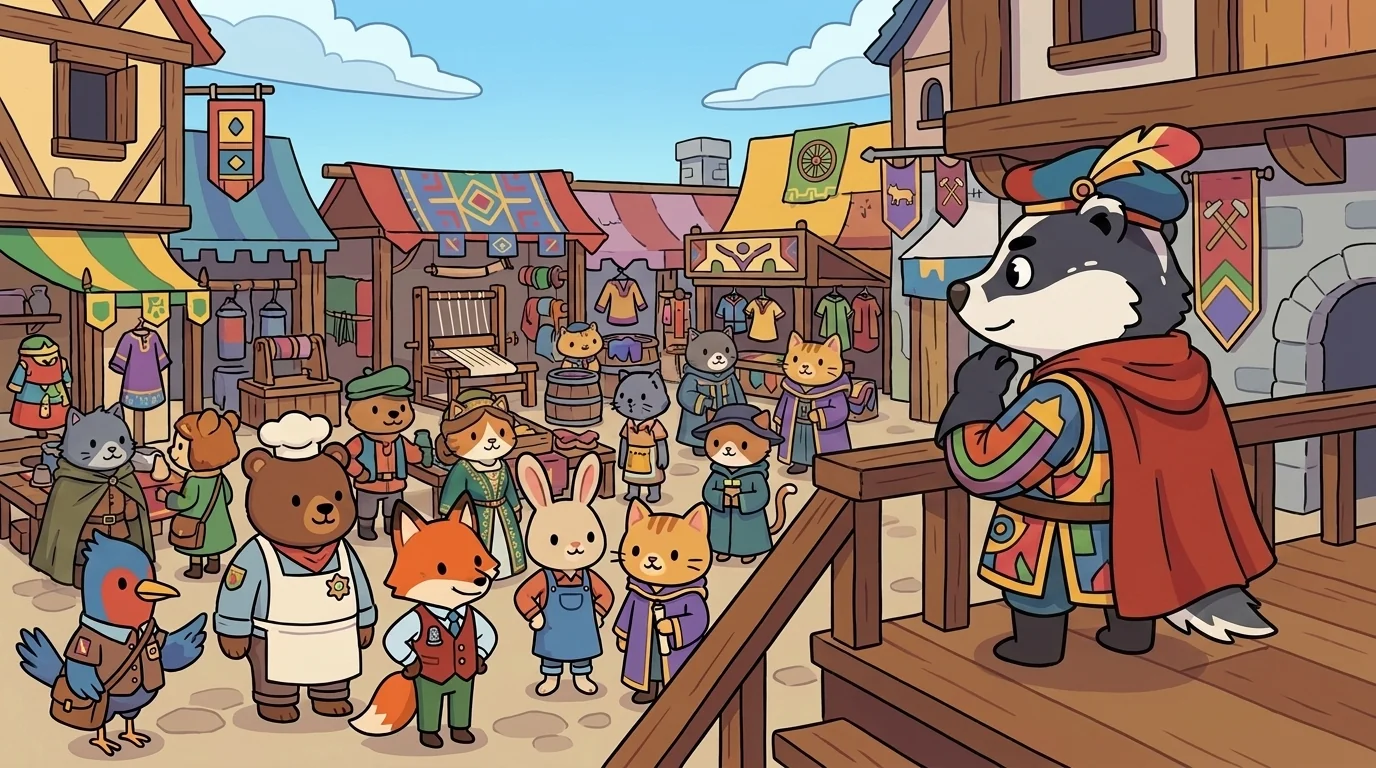
Then Argent taught the discipline that mattered most to it — reading rank without ranking people.
"Here is the rule I hold above all others," Argent said, and its formal voice went gentle. "Read the map — who held which role — but never mistake the map for a measure of worth. A society's structure tells you how it organized power and place. It does not tell you that one person mattered more than another. When you read status dress, read it with curiosity and respect: 'this signal marked this role,' not 'this person was better.' A herald announces roles; a herald does not despise anyone. Read the order of a society honestly, and read the people within it kindly." Argent looked steadily at the apprentice. "Understanding a hierarchy is not the same as agreeing that anyone deserved less."
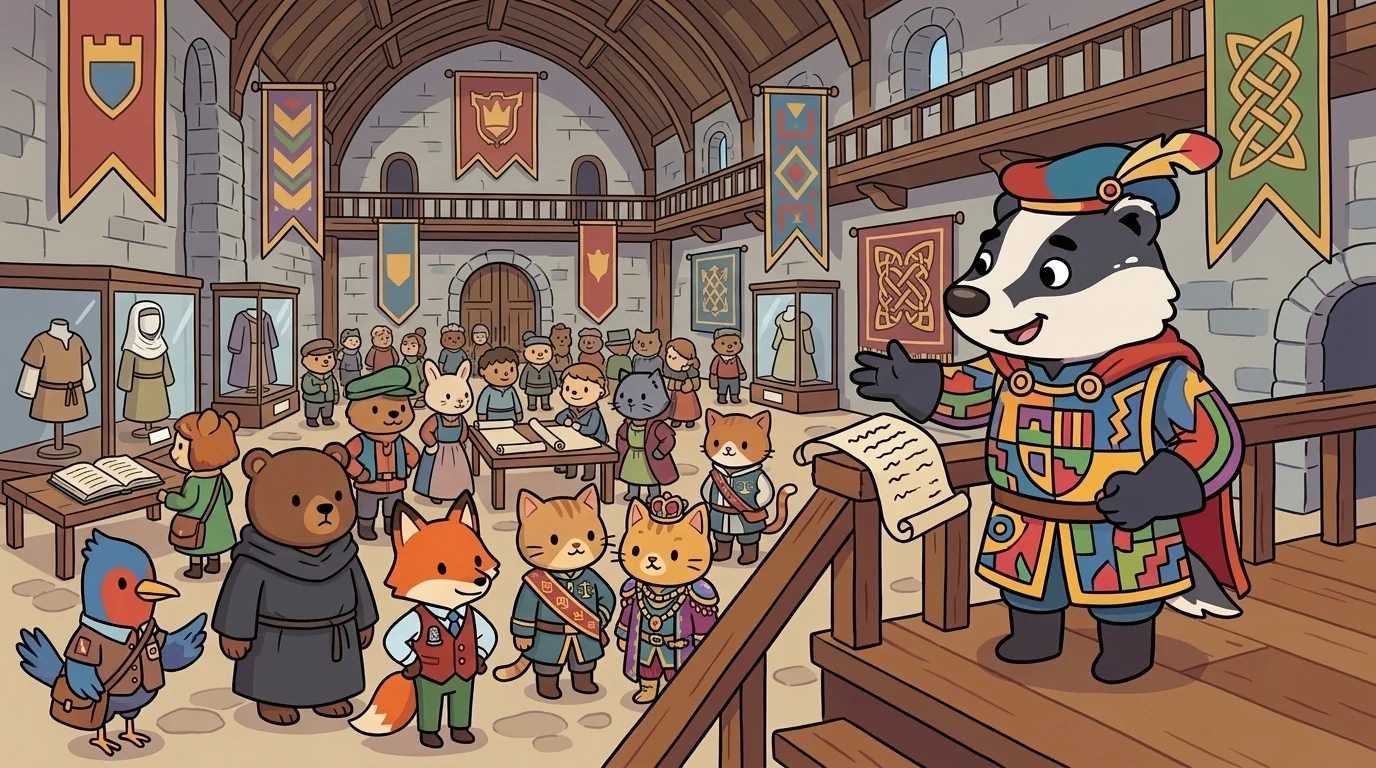
The apprentice studied a marked garment, reading now for the rule behind it.
"So this mark was probably reserved for a certain role," the apprentice said, "and the rule that reserved it shows how the society drew its lines — but that tells me about their structure, not about anyone's real worth."
"Now you read like a herald," Argent said, formal and warm. "What a person is allowed or expected to wear encodes rank and role — dress is a map of who-holds-what. Read the map with respect, and never let it become a way to look down on anyone."
The EraForge ensemble
Argent is part of EraForge's distributed-narrative cast. Each character embodies a different curricular primitive; together they teach the full subject.
-
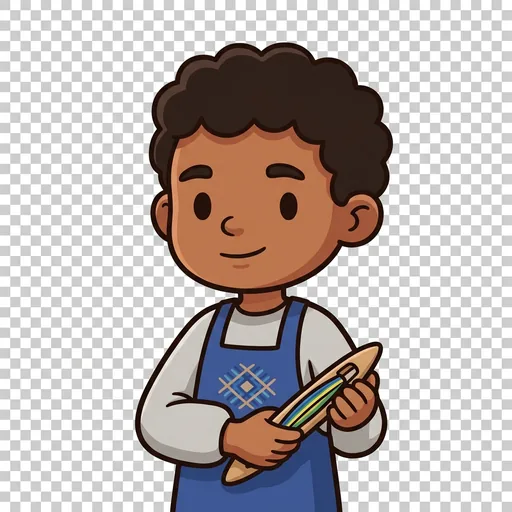
Warp
Fiber → cloth — every cloth remembers the land whose plant or animal made it
-

Madder
Natural dye — before factories every colour came from a plant, root, or shell; a rare colour meant a long reach
-
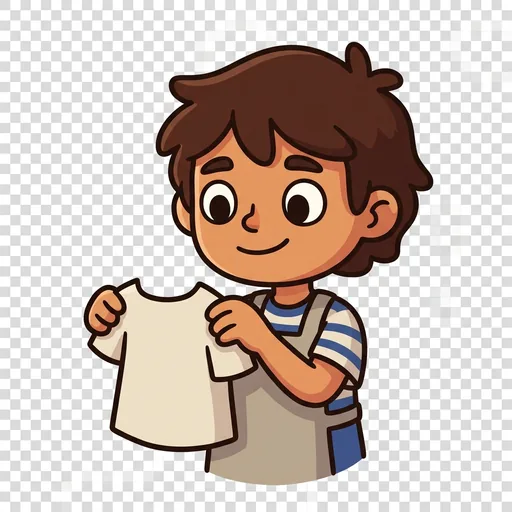
Selvage
Silhouette → era — the outer shape a dressed figure makes dates the look, even from a shadow
-

Toile
A motif is a message — read a woven pattern on its own makers' terms, never guess
-

Vane
Climate & geography — clothing is a clever answer to a place's weather and terrain
-

Skein
Trade & exchange — where a fabric is worn traces the route that carried it, not just its source
-

Relic
Source-reading (the curator & mentor) — read an object as evidence: who made it, when, and why
-
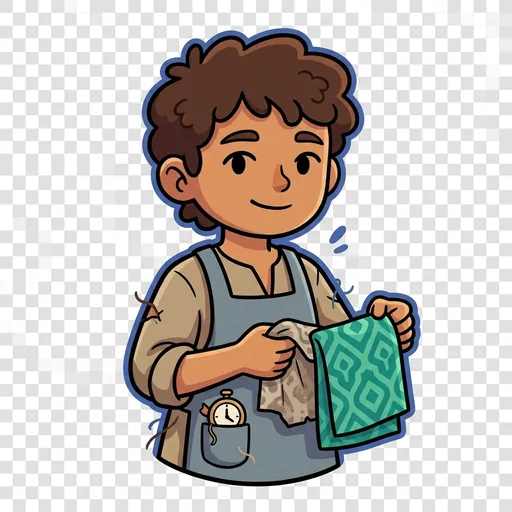
Damask
Revival & anachronism — old styles return re-made; the out-of-time detail reveals the real age
-
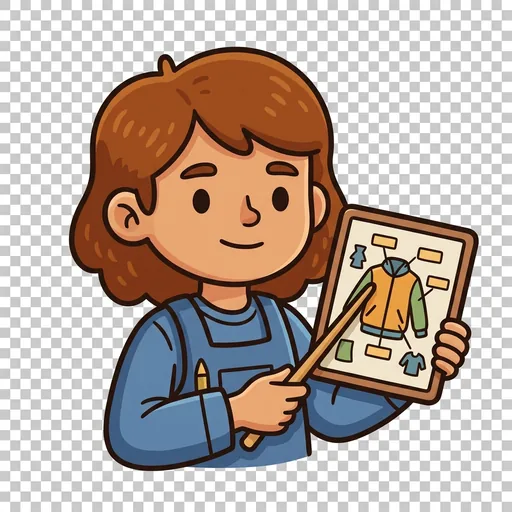
Lexi
Design vocabulary — the exact word (silhouette, motif, drape, hue) lets you describe and compare