Relic
SOURCE-READING — treat an artifact as EVIDENCE — ask who made it, when, and why, and never claim more than the object can actually show
Loading audio…
Press play to listen along. The line being read lights up as you go.
Show full transcript
Loading transcript…
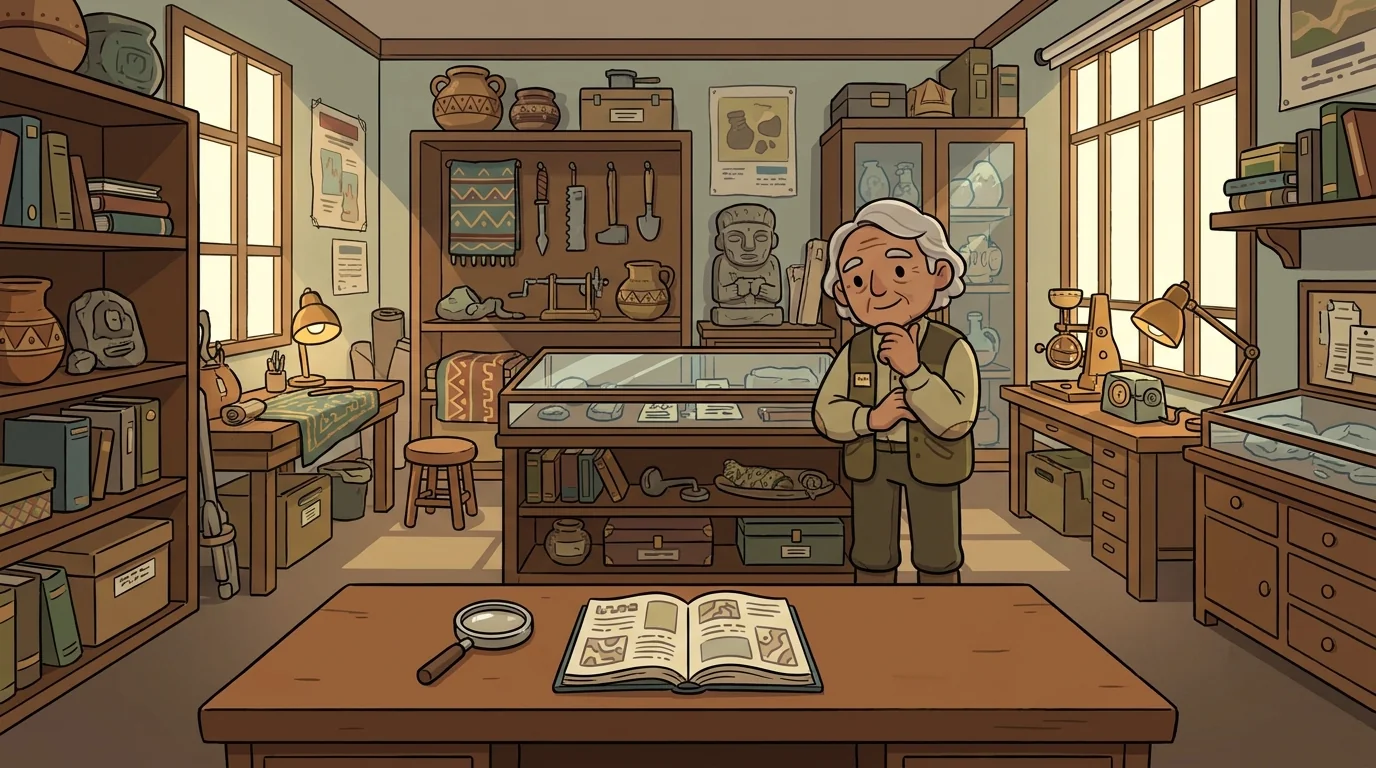
Relic kept the Evidence Room, where every artifact the makers puzzled over eventually came to rest under careful light. Relic was the oldest hand in the Maker's Hall and its steadiest voice — the mentor the others brought their findings to. And Relic had one habit that could either drive you mad or make you brilliant, depending on how you took it.
Whenever anyone said "this obviously means—", Relic would tilt their head and ask, gently, "How do you know?"
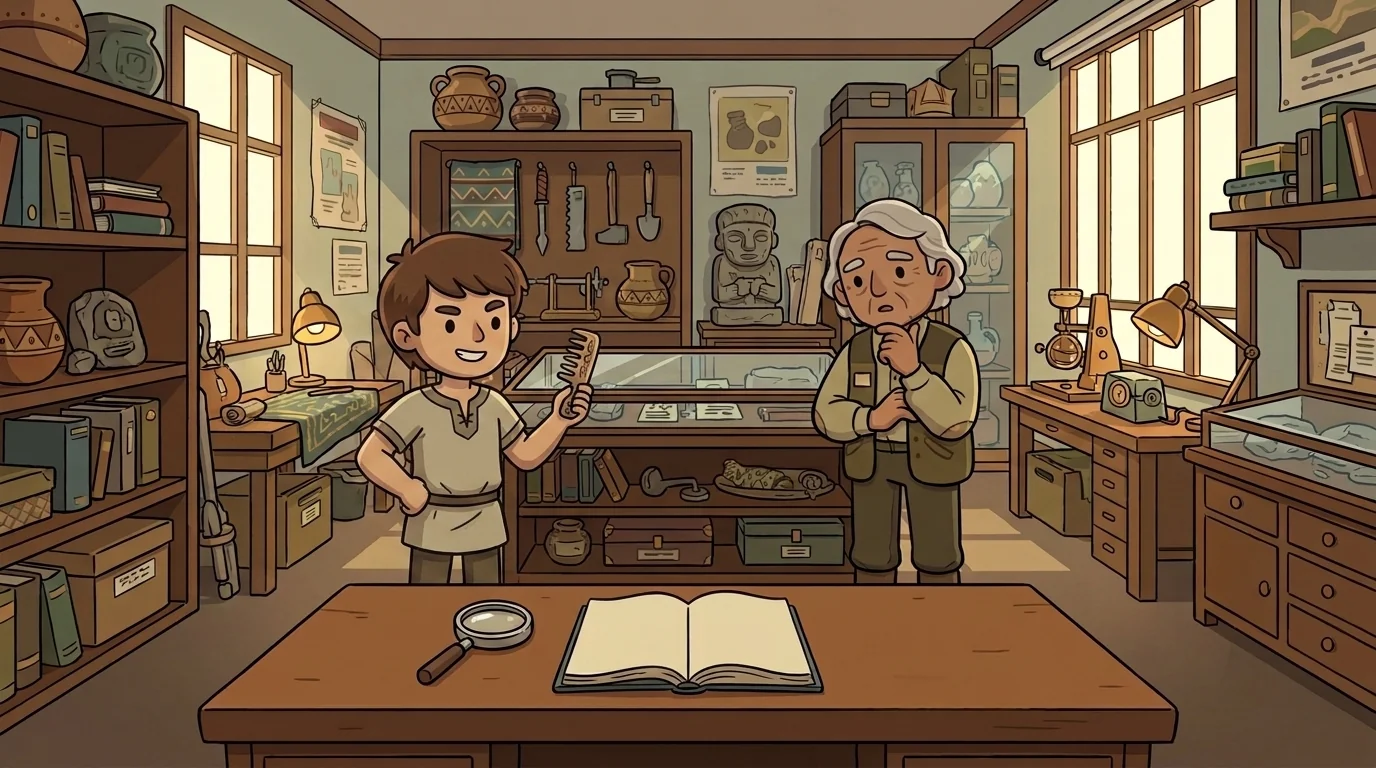
A confident young scholar once burst in holding a small carved comb. "This proves this culture was warlike and cruel," he announced. "Look how sharp the teeth are."
Relic didn't argue. Relic asked. "How do you know it's a weapon and not a comb? Who made it — a warrior, a hairdresser, a child? When was it made — early in this culture, or late? Why do you think it was buried where it was? And which of those do you actually know, and which are you guessing?"
The scholar opened his mouth, and closed it. He didn't know any of it. He'd seen sharp points and told himself a whole dramatic story. Under Relic's quiet questions, the story fell apart — and a plain, honest fact stood in its place: it was a comb, for hair, and it proved almost nothing about war at all.
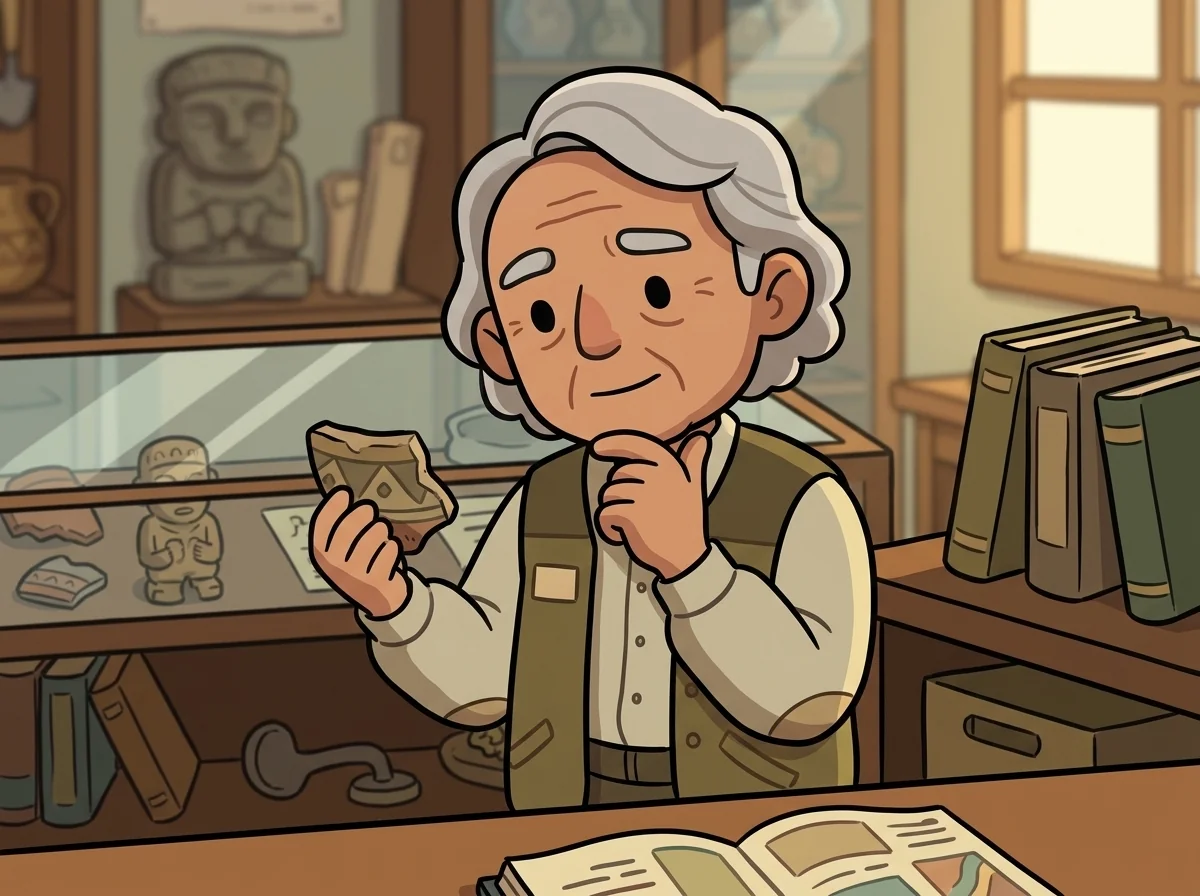
"An object is evidence," Relic told the makers, again and again. "And evidence has to be questioned, not just admired. Four questions unlock almost anything: Who made it? When was it made? Why was it made, and why is it here? And — most important — how do we actually know, versus what are we filling in?"
Relic taught them to separate three things that beginners always jumble: what the object shows (the plain facts you can point to), what you can reasonably infer (a careful, labeled guess), and what you're simply making up (a story that feels good). The first is gold. The second is useful if you mark it clearly. The third, mistaken for the first two, is how history gets things wrong.
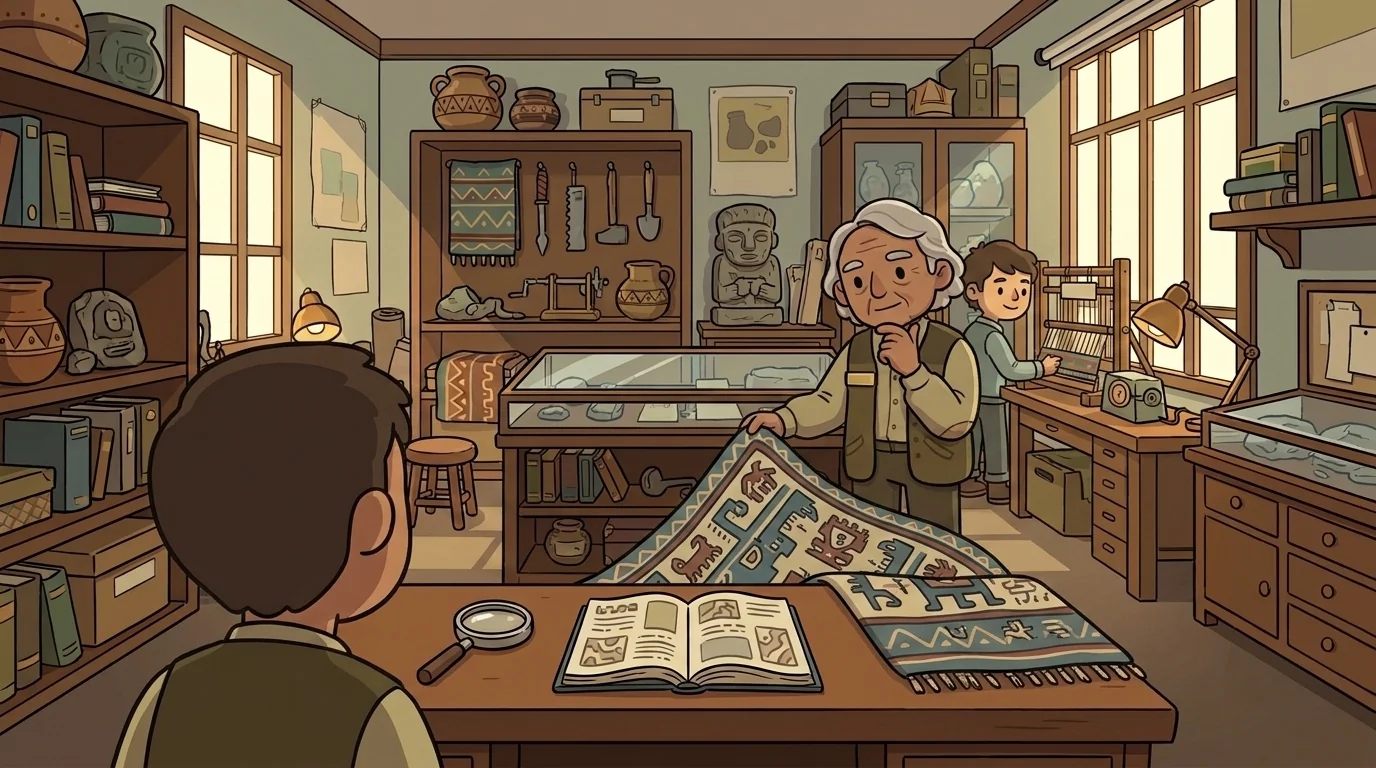
The hardest lesson Relic taught was the shortest: "I don't know yet" is a strong answer. The makers wanted to be right and be quick. Relic showed them that a careful "I'm not certain — here's what the object can and can't prove" was worth ten confident guesses. An honest "we don't know" leaves the door open for the truth; a confident wrong answer slams it shut.
Even Relic modeled the mistake-and-repair. Once, dating an artifact, the curator said "third century" flatly — then caught it. "No. I estimate third century, from the style, and I could be a hundred years off. Let me tell you what's solid and what's a guess." The makers noticed that their teacher's willingness to say "I might be wrong" was exactly what made them trust everything else Relic said.
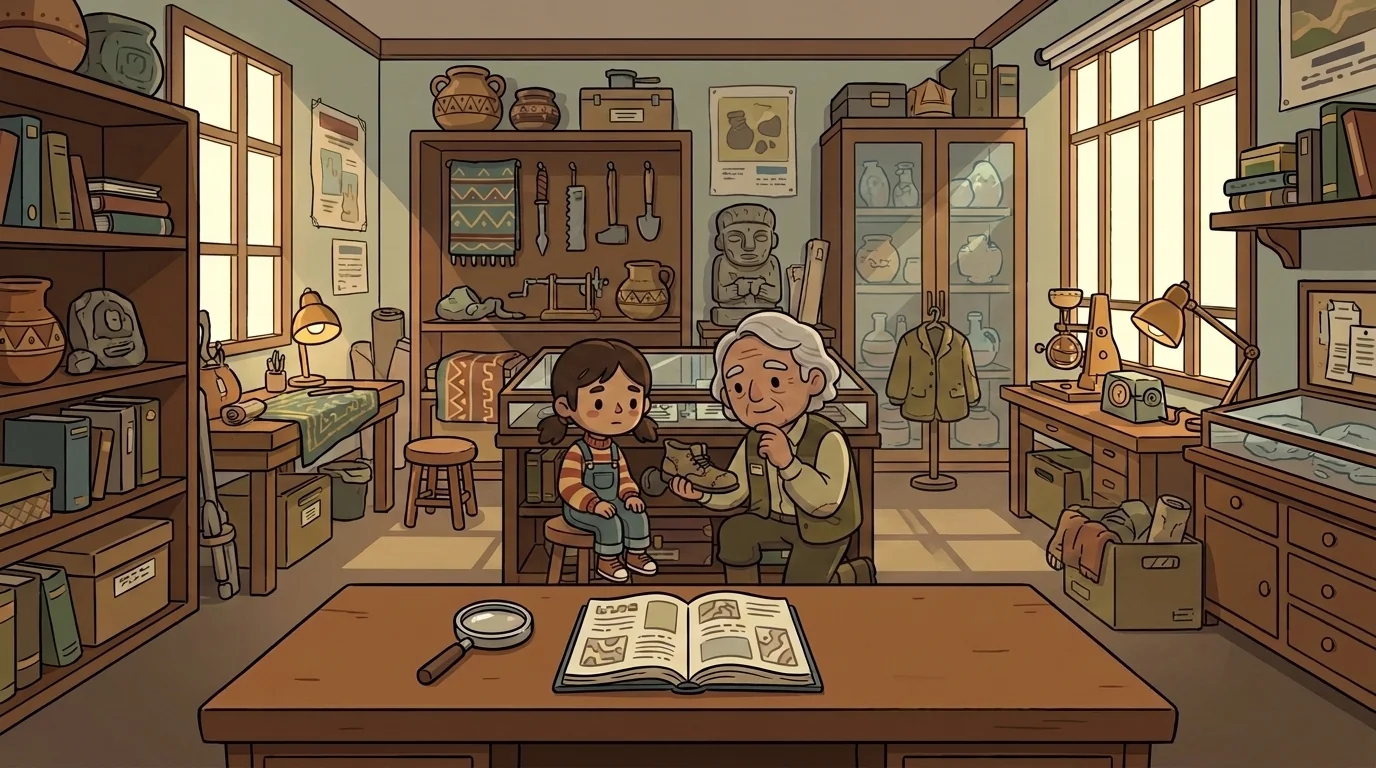
The test wasn't a grand debate. It was a small girl who brought Relic a worn old shoe and asked, "What does it mean?"
Relic could have invented a lovely story. Instead the curator knelt beside her and taught her the questions. "Let's read it like evidence," Relic said. "Who might have made it — a rich person's cobbler, or someone for themselves? When — is the style old or new? Why is it so worn here, on this side? What does the shoe actually show us, and where do we have to say 'we don't know yet'?"
Together they read the shoe honestly — learning a real, modest amount, and marking clearly where the guessing began.
"How did you know all that from one old shoe?" the girl breathed.
"I didn't know most of it," said Relic, smiling. "I asked it. Read an object like evidence — who, when, why — and never claim more than it can prove. The questions are the whole craft. The rest of us just decorate them."
The EraForge ensemble
Relic is part of EraForge's distributed-narrative cast. Each character embodies a different curricular primitive; together they teach the full subject.
-
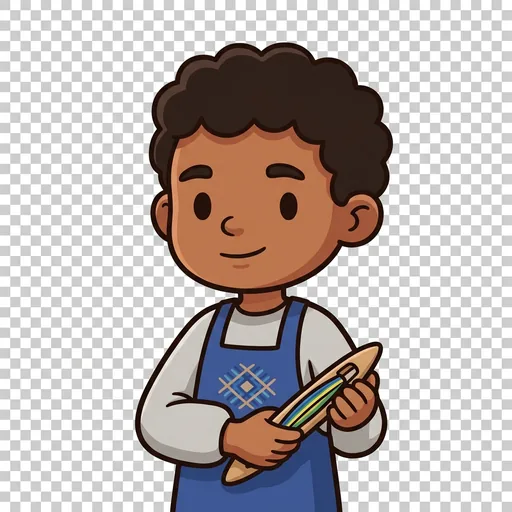
Warp
Fiber → cloth — every cloth remembers the land whose plant or animal made it
-

Madder
Natural dye — before factories every colour came from a plant, root, or shell; a rare colour meant a long reach
-
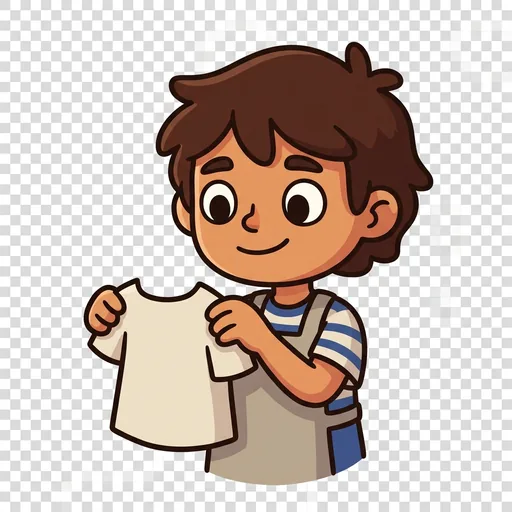
Selvage
Silhouette → era — the outer shape a dressed figure makes dates the look, even from a shadow
-
Toile
A motif is a message — read a woven pattern on its own makers' terms, never guess
-

Argent
Status dress — what a person may wear encodes rank and role; read the whole society
-

Vane
Climate & geography — clothing is a clever answer to a place's weather and terrain
-

Skein
Trade & exchange — where a fabric is worn traces the route that carried it, not just its source
-
Damask
Revival & anachronism — old styles return re-made; the out-of-time detail reveals the real age
-
Lexi
Design vocabulary — the exact word (silhouette, motif, drape, hue) lets you describe and compare