Argent
STATUS DRESS — what a person is allowed or expected to wear encodes rank, role, and social structure, so dress can be read as a map of who-holds-what
Loading audio…
Press play to listen along. The line being read lights up as you go.
Show full transcript
Loading transcript…
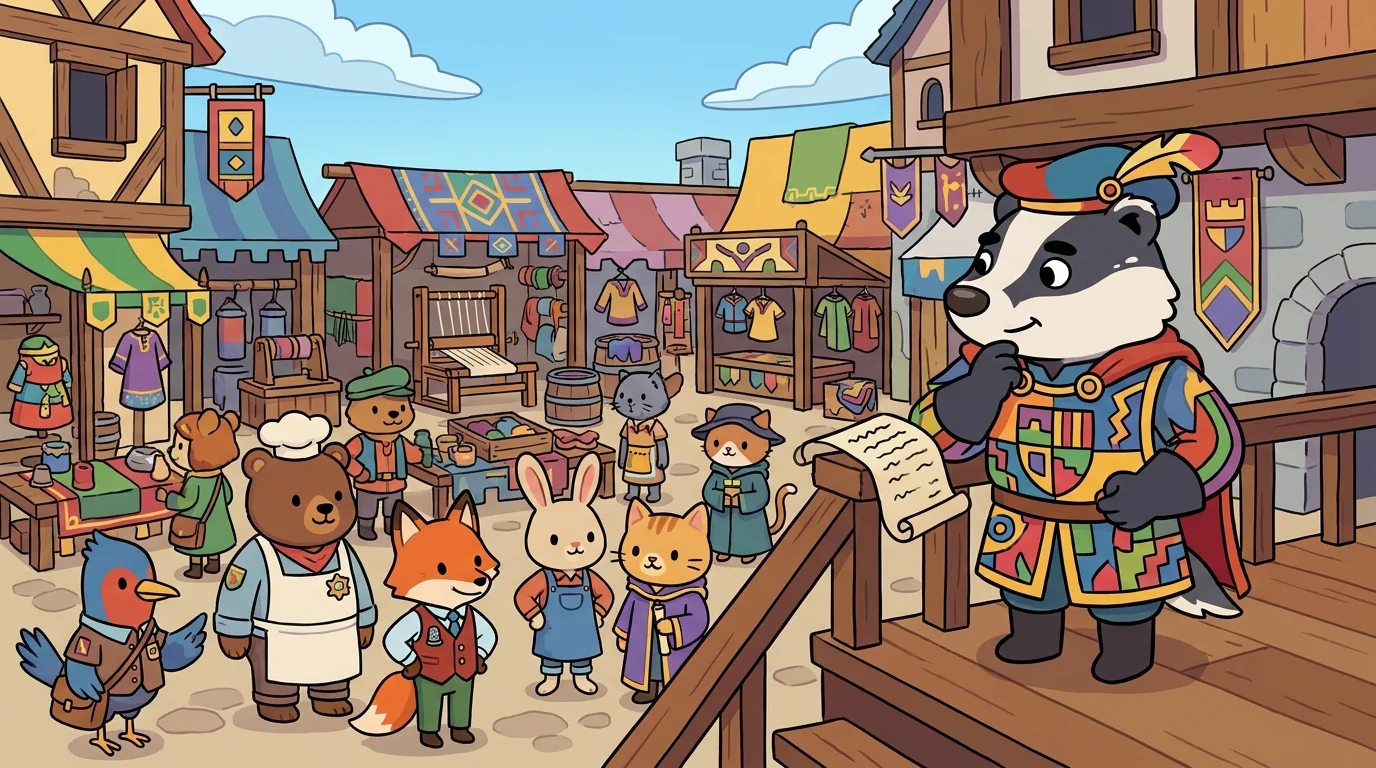
Argent had a herald's eye. Walk him into a crowd from any era and he could sort out, quite quickly, who did what — not by asking, but by reading what people wore. A badge here, a fabric only some were allowed there, a length of sleeve that meant you didn't work with your hands. To Argent, a gathering of people was a diagram of a society, written in cloth.
But he'd started out reading it wrong, in the simplest and most tempting way: he assumed fancier meant better, full stop. Richer cloth, more important person. It worked often enough to fool him, and failed often enough to matter.
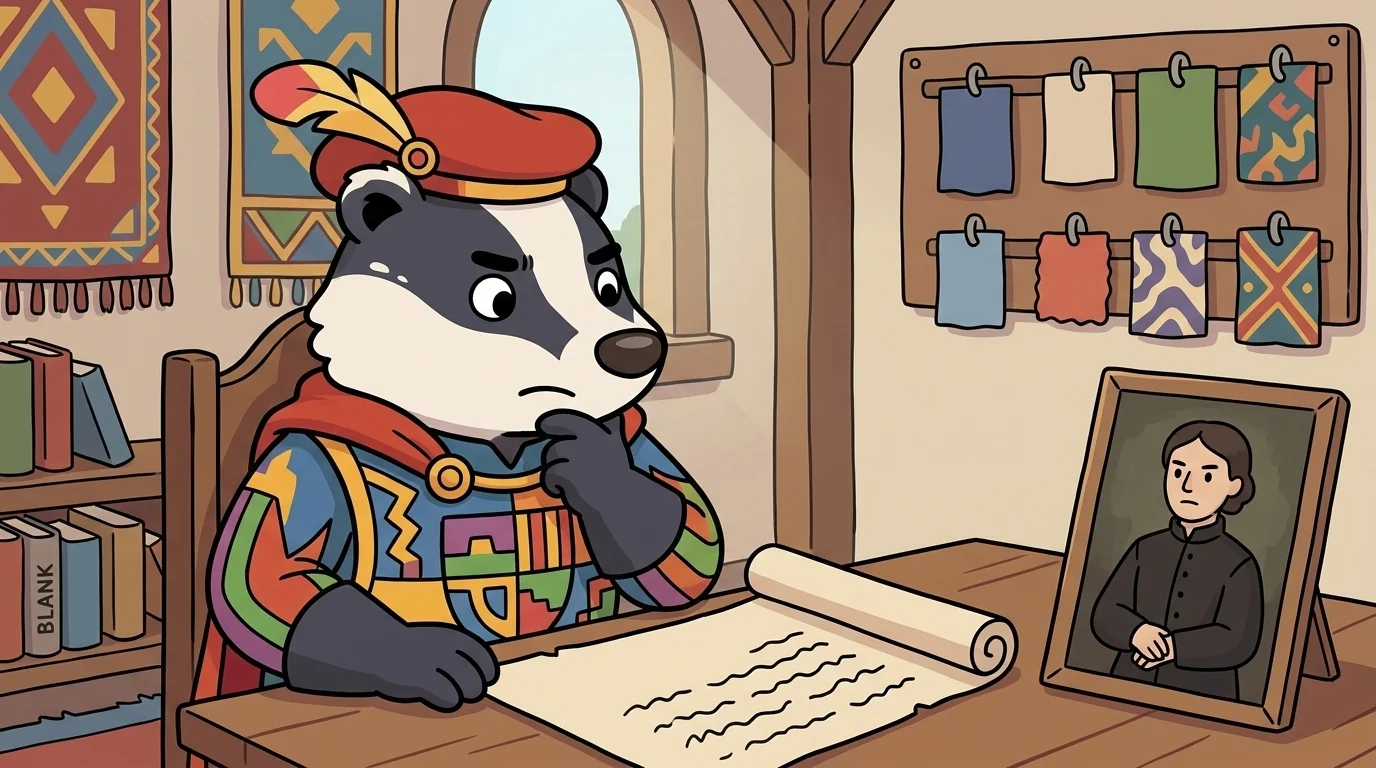
Relic set him straight with a single portrait. "This person," the curator said, "wears plain, dark cloth. No jewels. By your rule, a nobody. In fact they held one of the most powerful offices of their age. In that time and place, restraint was the status. Loud dress marked someone trying to climb; plain dress marked someone who no longer had to try."
Argent sat with that. Fanciness wasn't the signal. The signal was the rule — whatever a particular society had decided dress should say. Sometimes that meant gold and colour. Sometimes it meant severe, expensive plainness. You couldn't know until you learned the rules of that place and time.
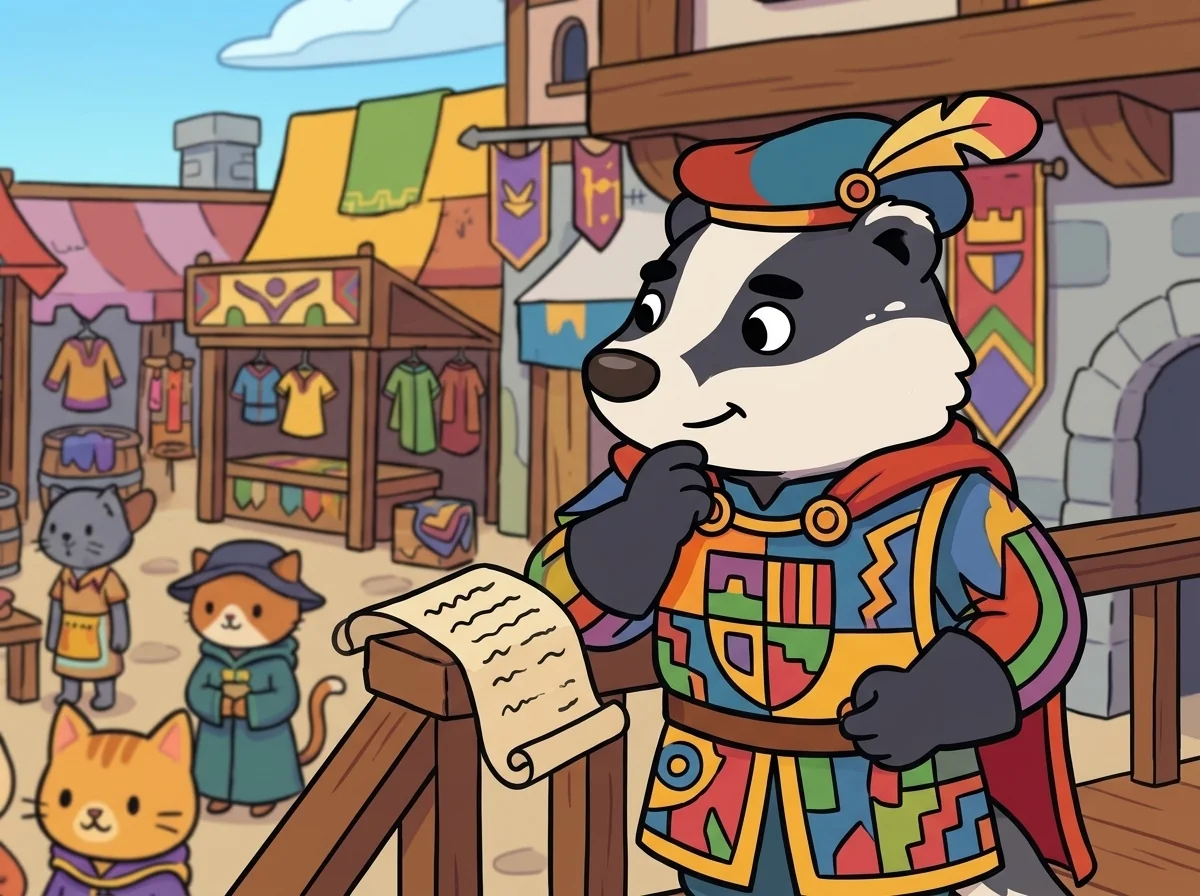
So Argent studied the rules, era by era, the way a herald should. In some societies certain colours or furs were reserved by law for rulers, and wearing them without the right was an actual crime. In others, a specific hat or sash marked an office — a judge, a scholar, a guildmaster — so that a stranger could know your role on sight. Uniforms told you who served whom. Even everyday work-dress told a story: an apron and rolled sleeves said I make things with my hands, and whether that was respected or looked down on told you something about the society itself.
Dress, he came to see, was one of the oldest ways people organized themselves — a way of showing, without a word, who was who.
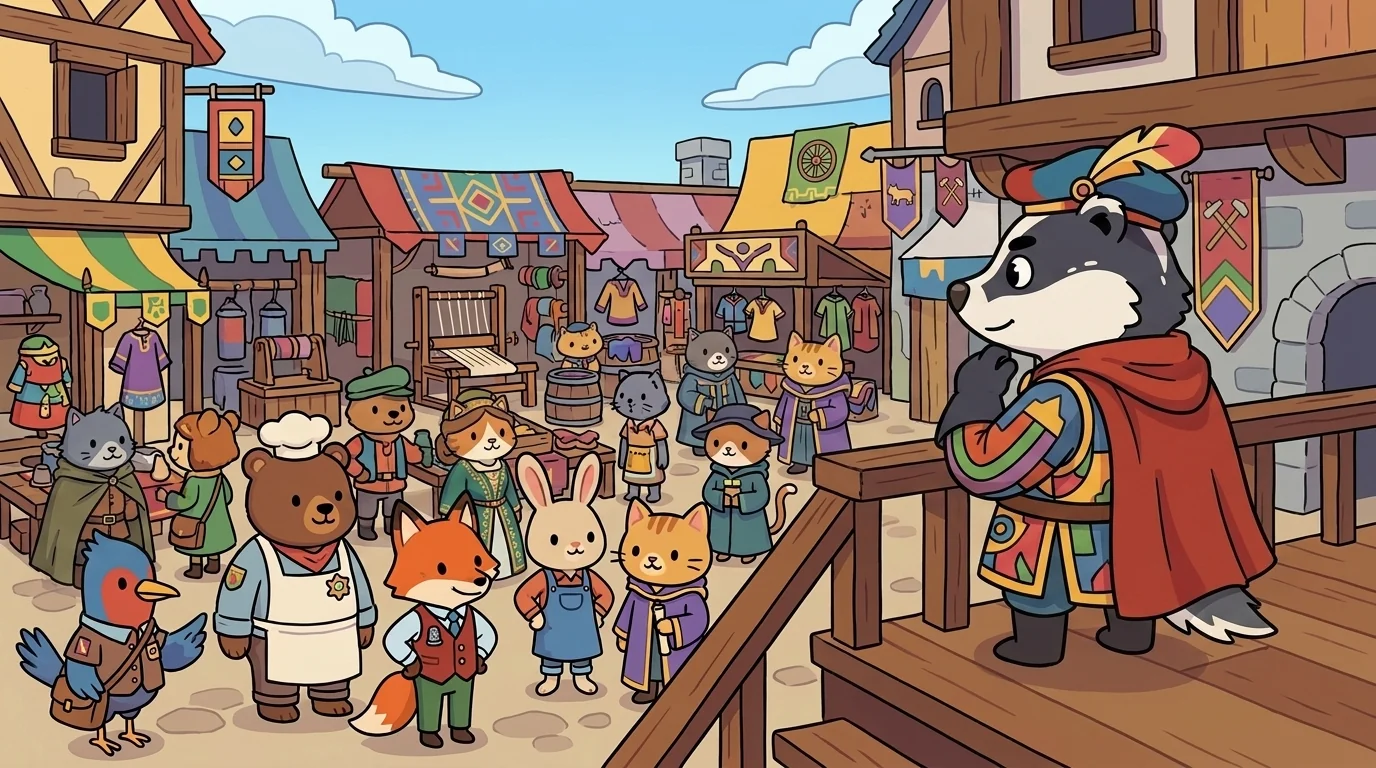
He tested it constantly, and grew careful. He learned to read a room's structure from its clothes: who deferred to whom, who was allowed the good seats, who wore the marks of an office. But he also caught himself in a bad habit and stopped it firmly. Reading someone's role from their dress was fair. Deciding their worth from it was not.
His honest mistake taught him exactly that line. He once dismissed a plainly-dressed traveler as unimportant, only to learn she was a master of her craft, dressed for a long road. "Dress tells you a person's role and rank in their world," Relic reminded him. "It never tells you whether they're clever, or kind, or worth listening to. Read the map. Don't confuse it with the person."
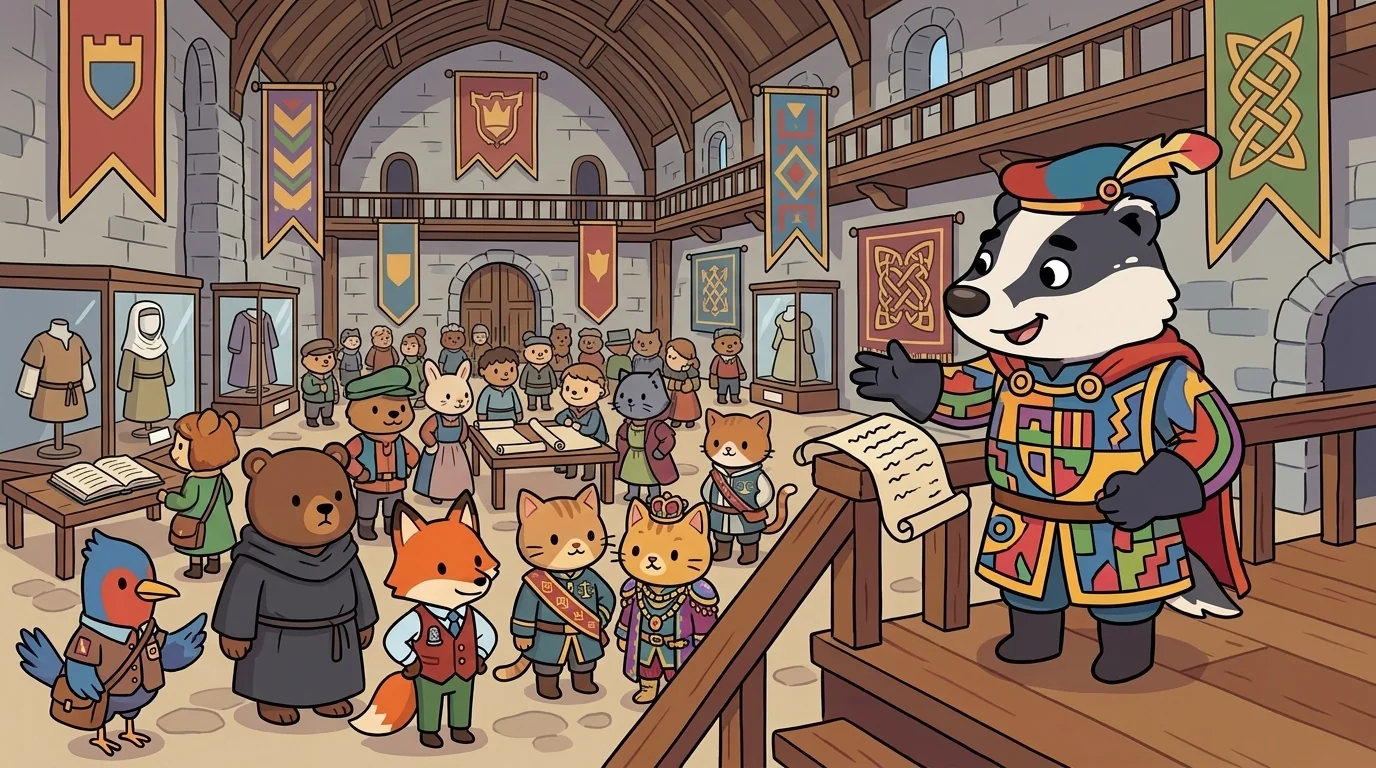
The test came at a grand reconstructed court, where visitors were guessing wildly at who was who.
Argent walked the room once and read it like a page. The reserved figure in severe dark cloth: highest rank, the plainness was the power. The one dripping with borrowed finery: a striver, not a ruler. The person in the marked sash: an officer of the court, not royalty. He explained each reading from the rules of that era — never from mere shine.
"How did you place everyone so fast?" a visitor marveled.
"I read who's allowed to wear what," said Argent. "Dress is how a society writes down who's who. Once you learn its rules, you can see the whole arrangement — as long as you never mistake the label for the person underneath."
The EraForge ensemble
Argent is part of EraForge's distributed-narrative cast. Each character embodies a different curricular primitive; together they teach the full subject.
-
Warp
Fiber → cloth — every cloth remembers the land whose plant or animal made it
-

Madder
Natural dye — before factories every colour came from a plant, root, or shell; a rare colour meant a long reach
-
Selvage
Silhouette → era — the outer shape a dressed figure makes dates the look, even from a shadow
-

Toile
A motif is a message — read a woven pattern on its own makers' terms, never guess
-

Vane
Climate & geography — clothing is a clever answer to a place's weather and terrain
-

Skein
Trade & exchange — where a fabric is worn traces the route that carried it, not just its source
-

Relic
Source-reading (the curator & mentor) — read an object as evidence: who made it, when, and why
-
Damask
Revival & anachronism — old styles return re-made; the out-of-time detail reveals the real age
-
Lexi
Design vocabulary — the exact word (silhouette, motif, drape, hue) lets you describe and compare