Academics
EraForge
Read the past through what people made — date an era from a silhouette, trace a dye back to the plant that made it, decode what a woven pattern meant, follow a fabric down a trade route, and read a real portrait as evidence. World history & geography through material culture, ages 9–14. Respectful, source-first, on-device.
#c2703d EraForge turns world history and geography into detective work you can see and touch. Every garment and object is evidence: read the silhouette to date an era, trace a colour to the plant it came from, decode a woven pattern on its makers' own terms, follow a fabric down a trade route, and read a real portrait like a curator. Across 16 material-culture missions, the 'Thread the Era' cast each teaches one way to read the past — respectfully, source-first, and full of 'how did they know that?' moments.
Distributed-narrative cast
Meet the cast
EraForge's 10-member 'Thread the Era' cast each embodies ONE material-culture reading skill (R-DN-PARITY): Warp (fiber → cloth) · Madder (natural dye) · Selvage (silhouette → era) · Toile (a motif is a message) · Argent (status dress) · Vane (climate & geography) · Skein (trade & exchange) · Relic (source-reading — the curator/mentor) · Damask (revival & anachronism) · Lexi (design vocabulary). Cultures are represented respectfully by their material culture — never a national flag or caricature; every 'authentic' claim cites a source.
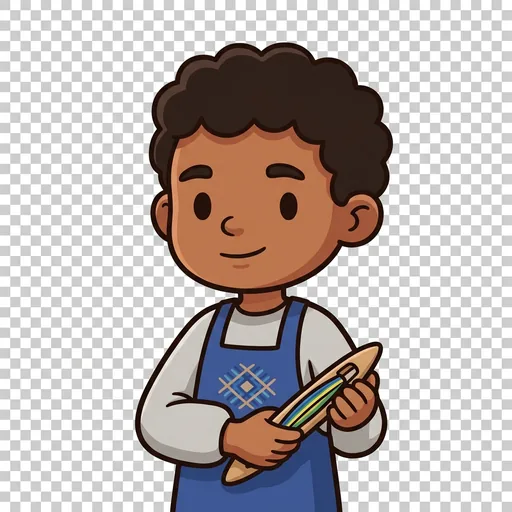
Warp
Fiber → cloth — every cloth remembers the land whose plant or animal made it
Read chapter →
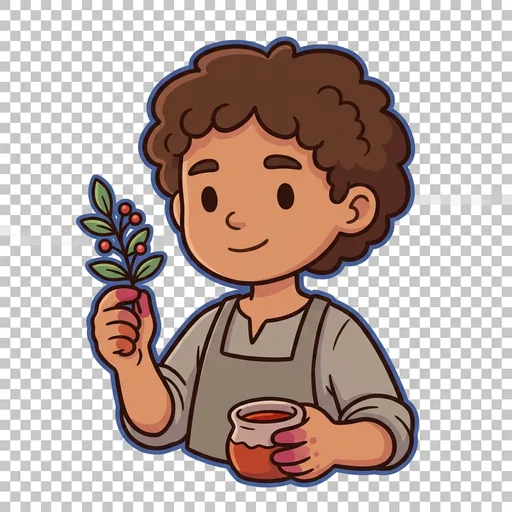
Madder
Natural dye — before factories every colour came from a plant, root, or shell; a rare colour meant a long reach
Read chapter →
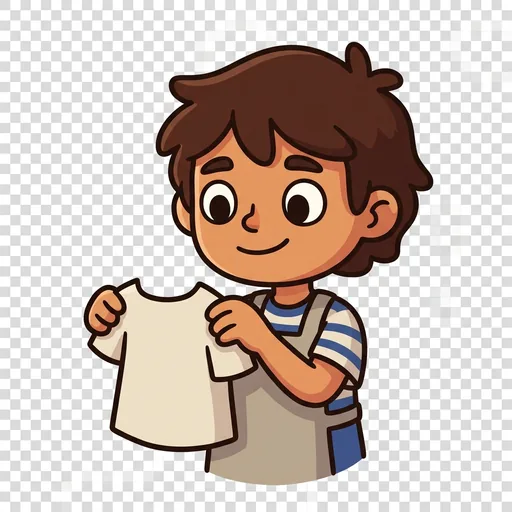
Selvage
Silhouette → era — the outer shape a dressed figure makes dates the look, even from a shadow
Read chapter →
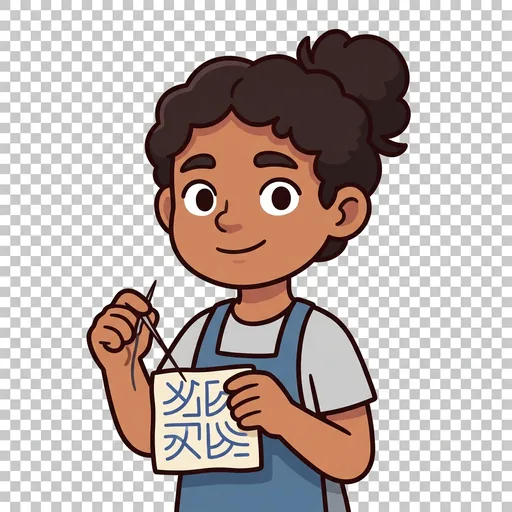
Toile
A motif is a message — read a woven pattern on its own makers' terms, never guess
Read chapter →
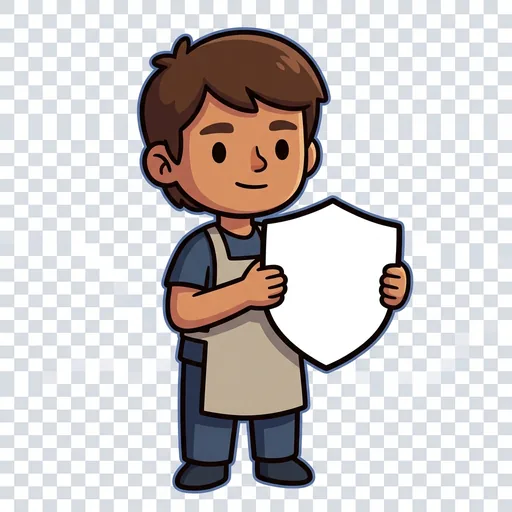
Argent
Status dress — what a person may wear encodes rank and role; read the whole society
Read chapter →
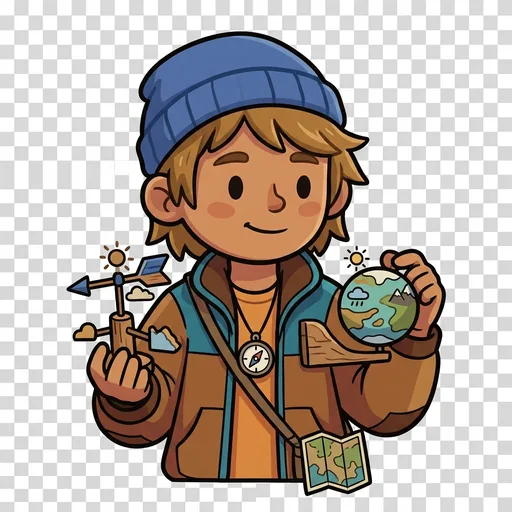
Vane
Climate & geography — clothing is a clever answer to a place's weather and terrain
Read chapter →
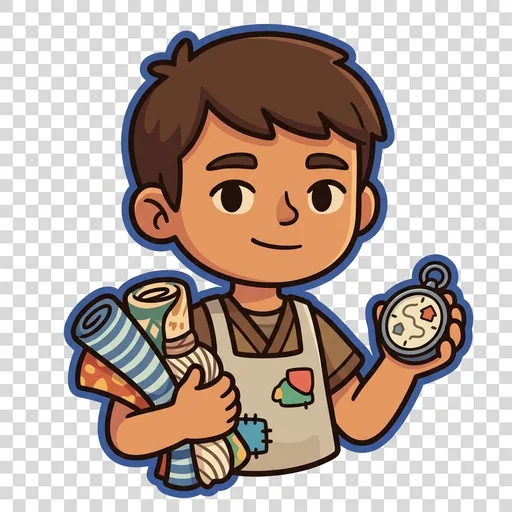
Skein
Trade & exchange — where a fabric is worn traces the route that carried it, not just its source
Read chapter →
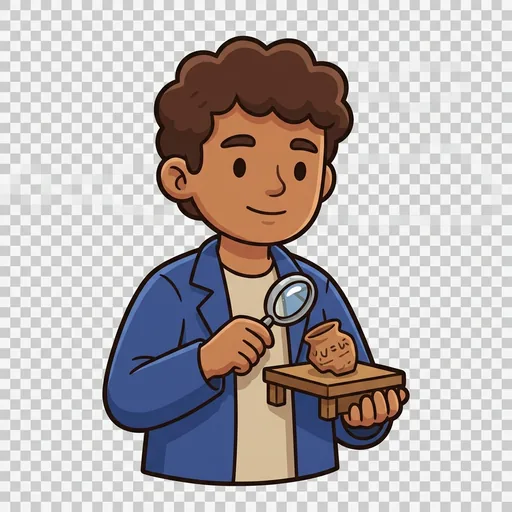
Relic
Source-reading (the curator & mentor) — read an object as evidence: who made it, when, and why
Read chapter →
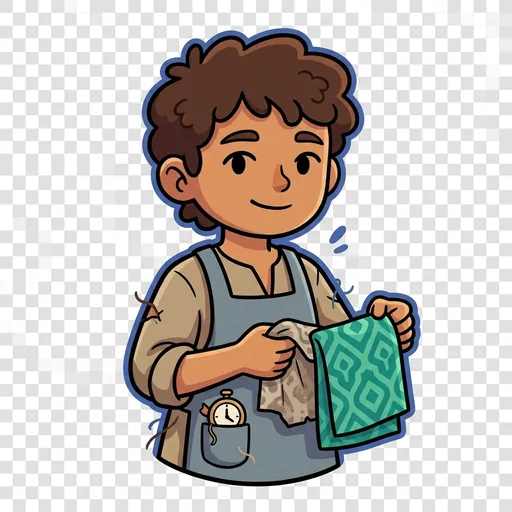
Damask
Revival & anachronism — old styles return re-made; the out-of-time detail reveals the real age
Read chapter →
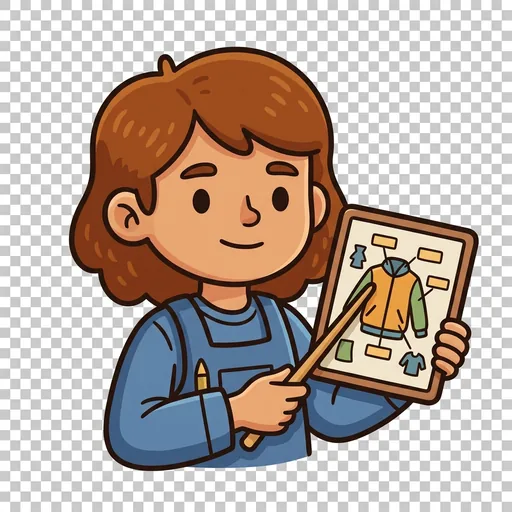
Lexi
Design vocabulary — the exact word (silhouette, motif, drape, hue) lets you describe and compare
Read chapter →
Browse all chapters → · What's distributed-narrative methodology? →
What's inside
Learning goal
Read the past through what people made — date an era from a silhouette, trace a dye back to the plant that made it, decode what a woven pattern meant, follow a fabric down a trade route, and read a real portrait as evidence. World history & geography through material culture, ages 9–14. Respectful, source-first, on-device.
Question kits
16 curriculum-aligned kits × 25 questions = 400 questions per app, mapped to recognized standards.
On-device AI mentor
FoundationModels-powered hints, feedback, and adaptive difficulty — all running locally.
Mentored by Relic — on-device AI, no data leaves the device.
How EraForge handles your kid's data
- ✅ All progress, settings, and AI-generated content stays on the device
- ✅ No analytics, no tracking, no third-party SDKs
- ✅ No ads, no in-app purchases — you pay once
- ✅ COPPA compliant under the 2026 FTC amendments
- ✅ Parental controls + session limits + content filters built in
EraForge runs on ForgeKit — the open-source Swift Package Manager framework that powers every Spark & Anvil app. ForgeKit ensures consistent accessibility, COPPA compliance, and design language across the portfolio, so your kid's progress and preferences feel coherent across every app they touch.
Coming to the App Store
EraForge is in active development. Email us to hear when it ships — no marketing, no spam, just a one-shot launch announcement.
Email me at launch