
Damask
REVIVAL & ANACHRONISM — old styles return re-made in new eras, so a 'period' look can be a later revival; the giveaway is the ANACHRONISM — a single detail (material, technique, fastener) that could not have existed in the era being imitated
Loading audio…
Press play to listen along. The line being read lights up as you go.
Show full transcript
Loading transcript…
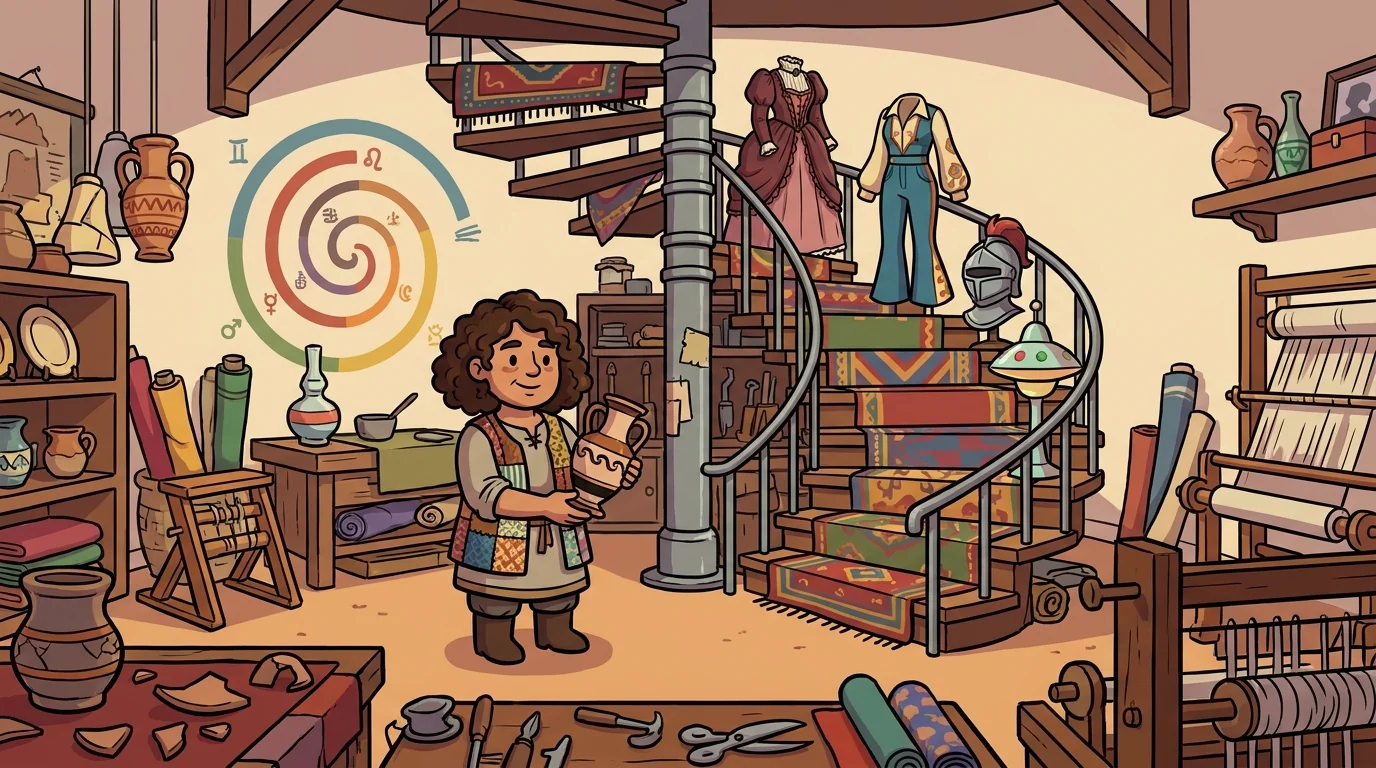
Damask loved a puzzle, and its favourite puzzle was the trickiest one in the guild: telling a genuinely old thing from a later thing pretending to be old. When the apprentice proudly presented a look that seemed straight out of a distant era, Damask grinned the grin of someone about to enjoy themselves.
"It looks old," Damask agreed. "But looking old is easy — anyone can copy a shape and a style. The question is whether it is old, or whether it's a revival: a newer thing re-making an older look. And there's one clue that settles it every time — the detail that couldn't have existed back then."
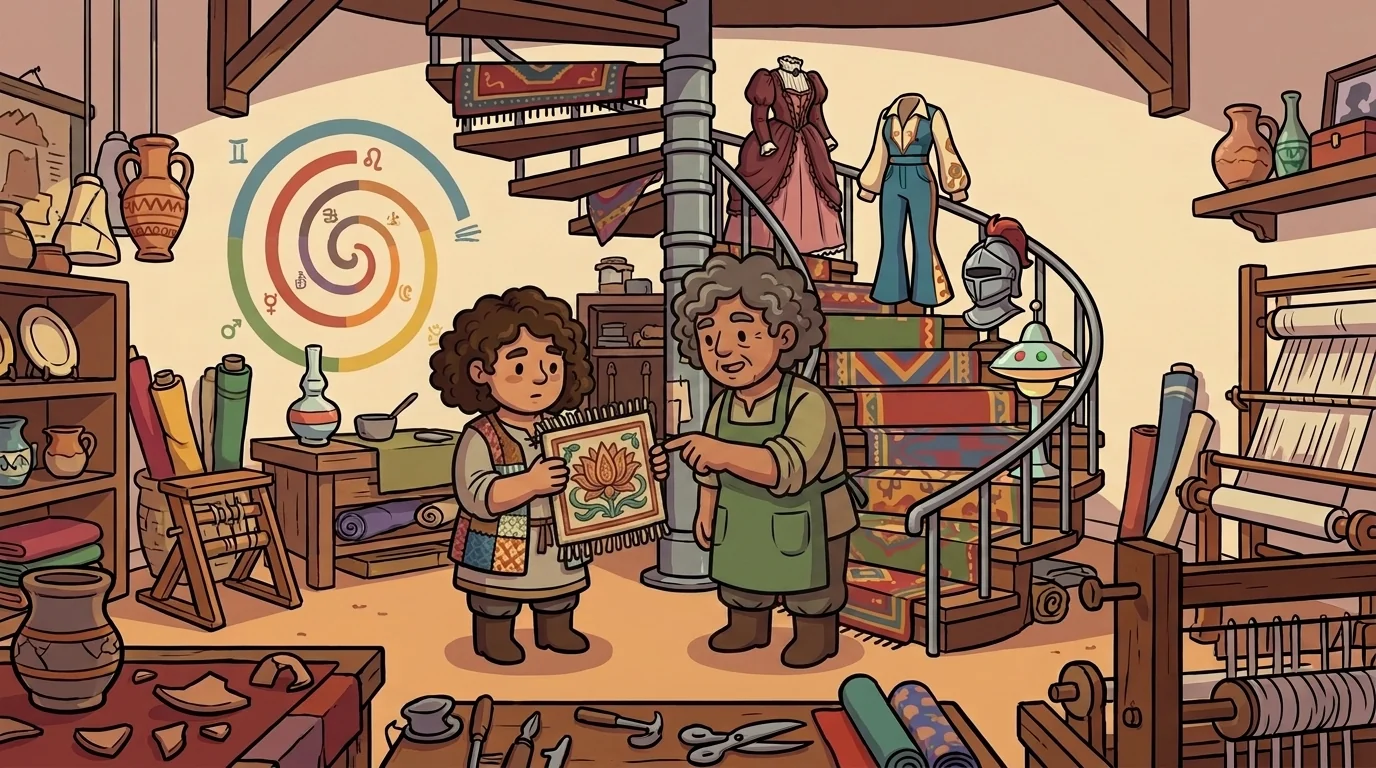
Damask taught the first Advanced idea: styles come back, so 'looks period' isn't proof.
"Here's what Selvage hinted at," Damask said. "Shapes and styles don't just vanish — they return. A later era loves an older look and brings it back, re-made with new hands. So a garment can wear a convincing old silhouette and old-style details and still have been made long after the era it imitates. This is revival, and it's everywhere. Which means 'it looks like it's from back then' proves almost nothing on its own — a skilled reviver can fake the whole look." Damask's eyes sparkled. "So you can't trust the overall impression. You have to hunt for the slip."
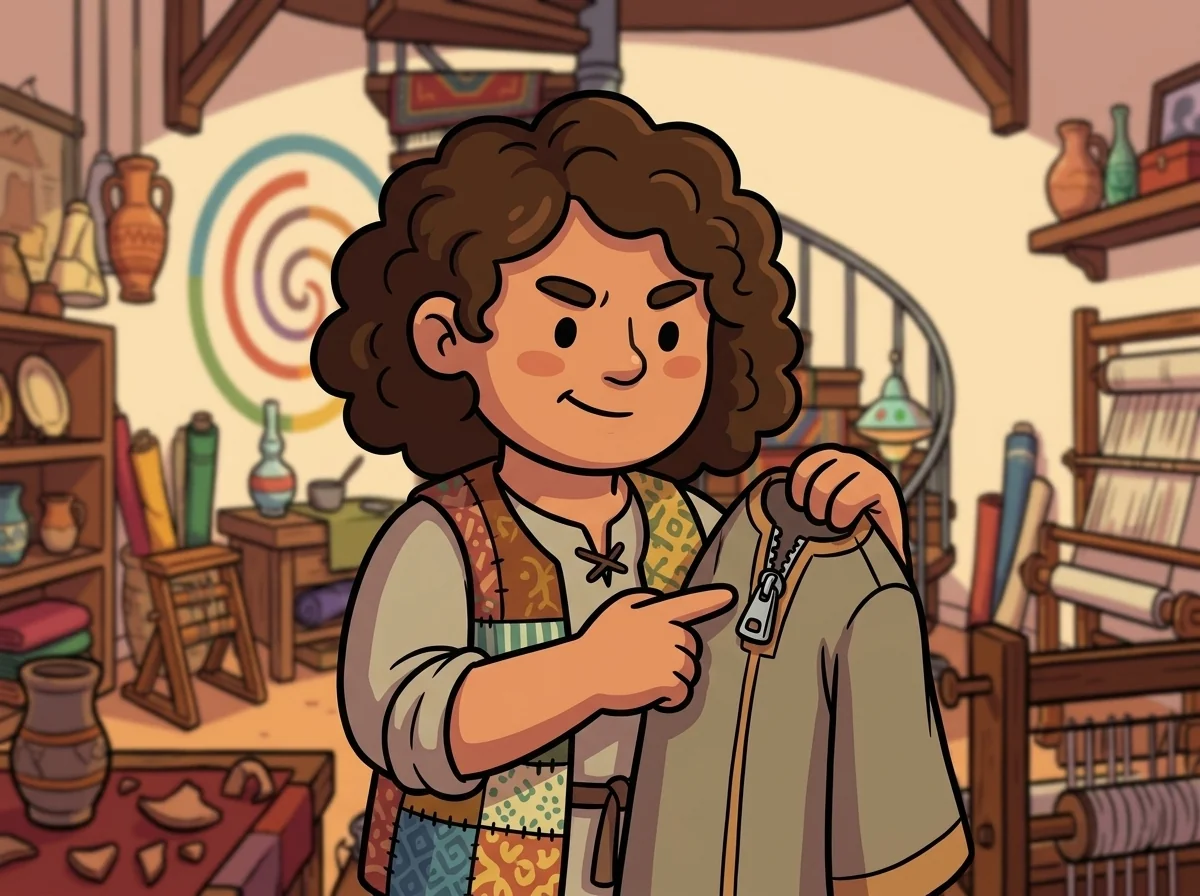
"And the slip is an anachronism," Damask said, savouring the word. "An anachronism is a detail that is out of its time — a thing present in the object that could not possibly have existed in the era it's pretending to be from. A material that hadn't been invented yet. A technique nobody had discovered. A fastener or a finish that belongs to a later age. The reviver copied the look but couldn't help using the tools of their own time somewhere — and that one out-of-place detail is the confession." Damask mimed pouncing. "One genuine anachronism outweighs a hundred convincing details, because those hundred can be faked and the anachronism can't be un-invented. Find the thing that couldn't have been there, and you've caught the revival."
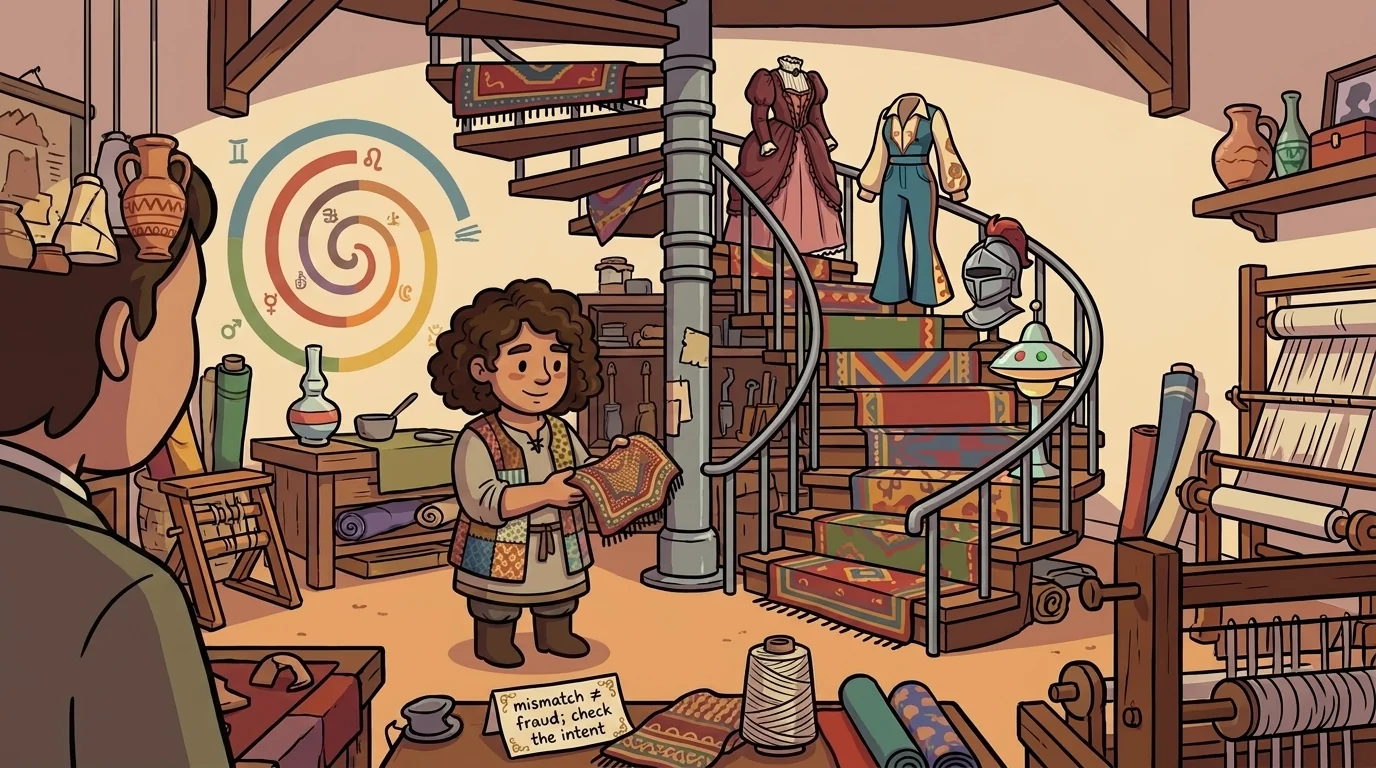
Then Damask taught the elegant rule that turns the hunt into a method.
"This gives you a precise tool," Damask said. "Date a thing by its newest possible part, not its oldest. The oldest-looking details tell you what it's imitating. But the single newest detail — the latest thing present anywhere in it — tells you the earliest the whole thing could actually have been made, because it couldn't exist before that. A look full of old details plus one newer material must date to after that material existed, no matter how old the rest pretends to be." Damask beamed. "So: read the whole look for the era it claims, then hunt for the newest detail to find the era it's from. When they don't match — revival, caught."
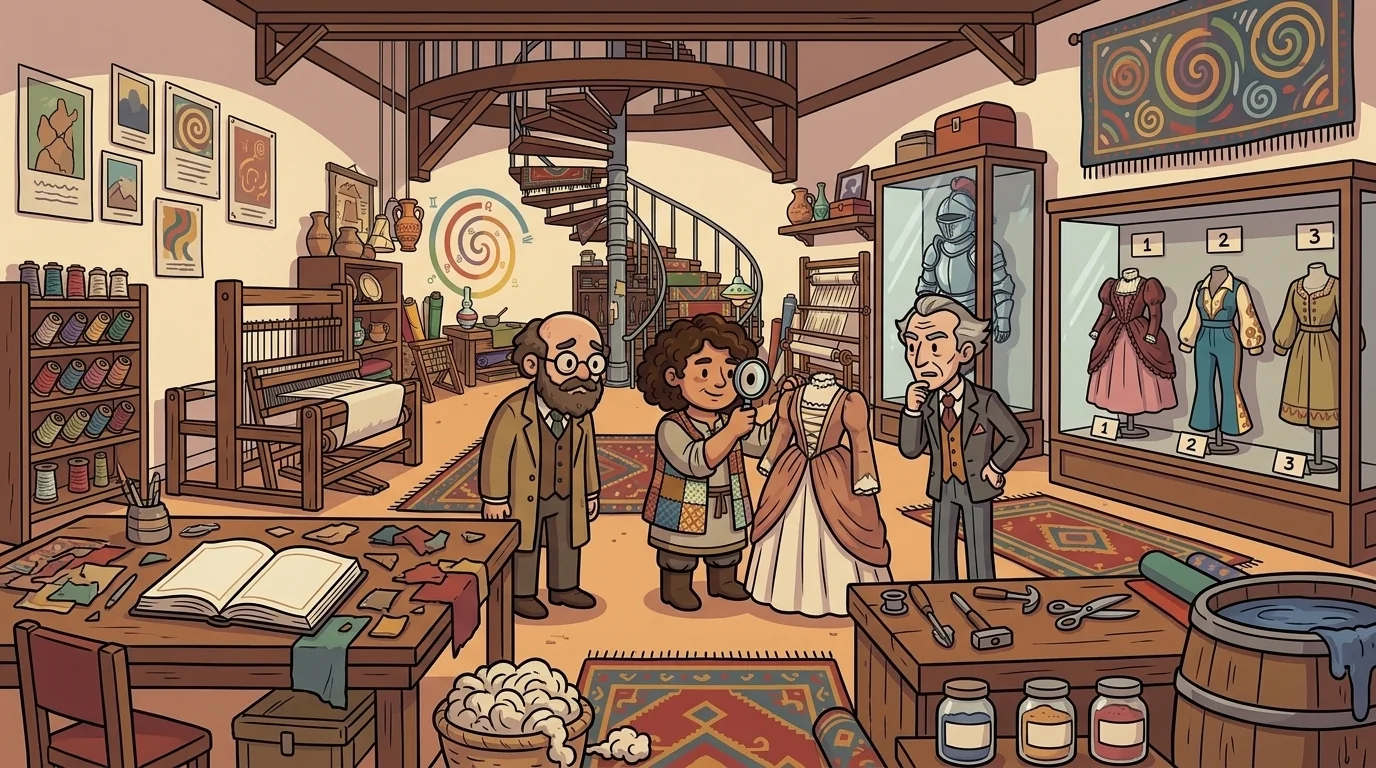
The apprentice examined the 'old' look again, this time hunting for the slip — and found it, one small detail that belonged to a much later age.
"So the look imitates an old era," the apprentice said, "but this one detail couldn't have existed then — which means the whole thing was made later. It's a revival."
"Now you read like a reviver-catcher," Damask said, sharp and delighted. "Old styles come back re-made — spotting the one out-of-time detail tells a true old thing from a later revival. Date it by its newest part, and let the anachronism confess."
The EraForge ensemble
Damask is part of EraForge's distributed-narrative cast. Each character embodies a different curricular primitive; together they teach the full subject.
-
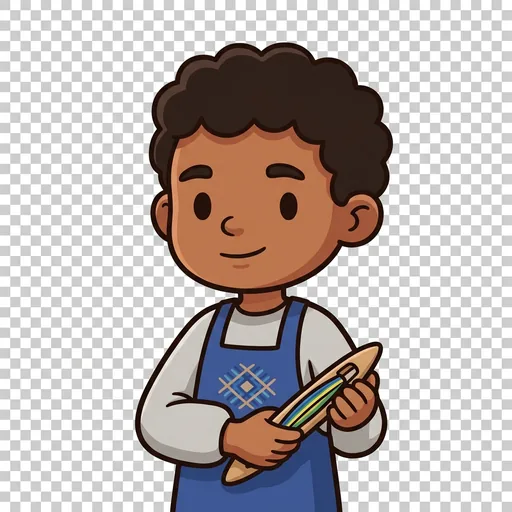
Warp
Fiber → cloth — every cloth remembers the land whose plant or animal made it
-

Madder
Natural dye — before factories every colour came from a plant, root, or shell; a rare colour meant a long reach
-
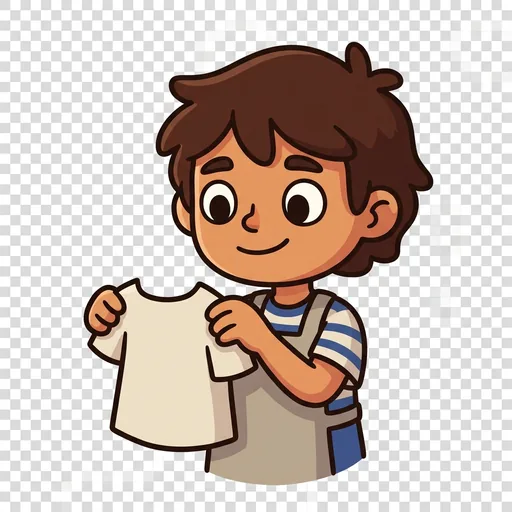
Selvage
Silhouette → era — the outer shape a dressed figure makes dates the look, even from a shadow
-
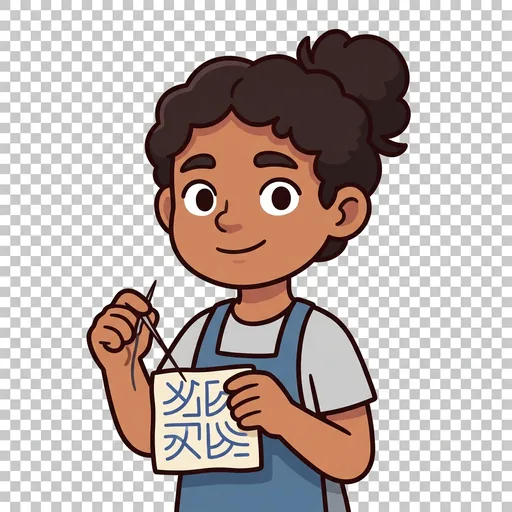
Toile
A motif is a message — read a woven pattern on its own makers' terms, never guess
-
Argent
Status dress — what a person may wear encodes rank and role; read the whole society
-

Vane
Climate & geography — clothing is a clever answer to a place's weather and terrain
-

Skein
Trade & exchange — where a fabric is worn traces the route that carried it, not just its source
-

Relic
Source-reading (the curator & mentor) — read an object as evidence: who made it, when, and why
-
Lexi
Design vocabulary — the exact word (silhouette, motif, drape, hue) lets you describe and compare