
Reduce Remy
THE WIN — a game is won by reducing the opponent to two pieces (too few to ever form a mill) OR by leaving them with no legal move at all; every capture is a step toward one of those two ends
Loading audio…
Press play to listen along. The line being read lights up as you go.
Show full transcript
Loading transcript…
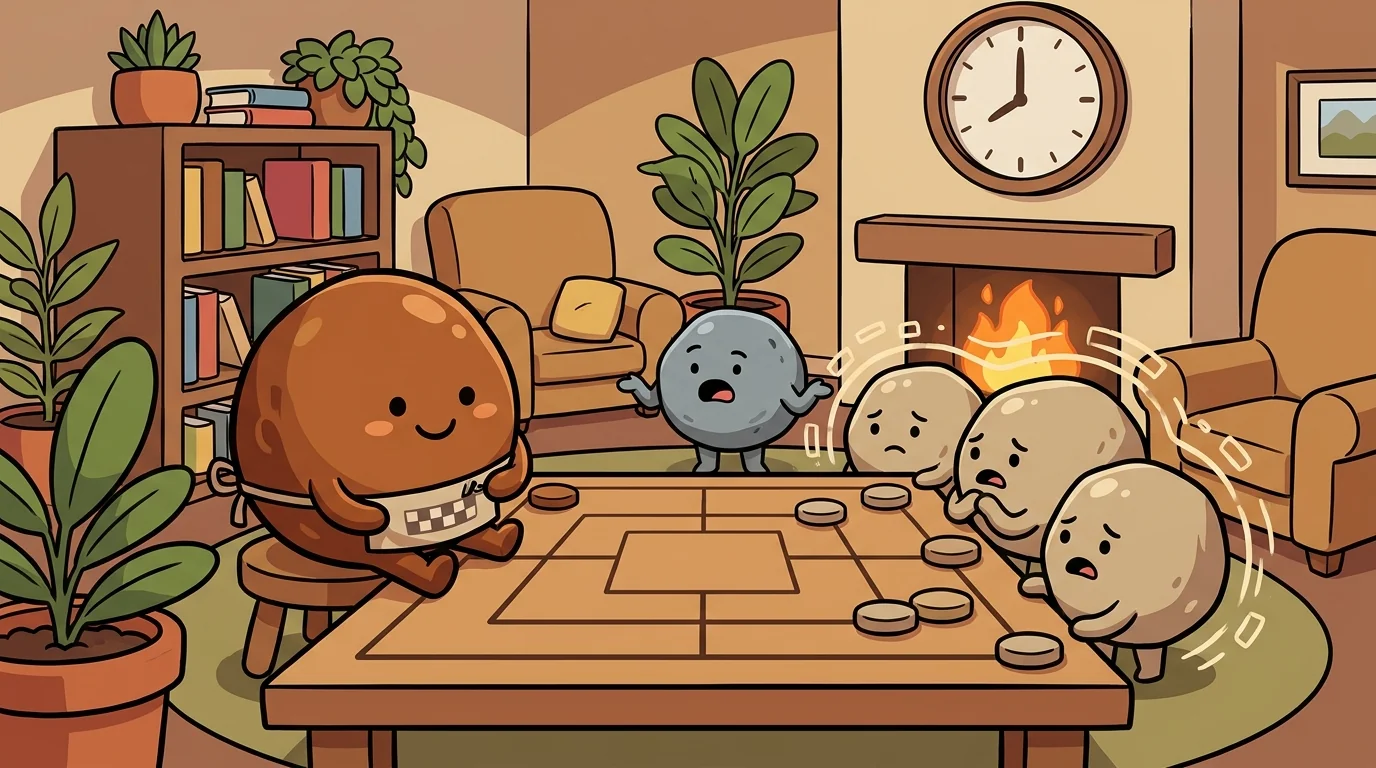
Remy taught the last thing, which is really the point of all the others: how a morris game is actually won.
"Every mill you close, every piece you take — what's it for?" she asked. "Not for the joy of taking. For the end. And there are exactly two ends. Reduce your opponent to two pieces — because two pieces can never make a line of three, so they can never form a mill, so they can never capture, so they're finished. Or: leave them with no legal move — every one of their pieces boxed in, no empty adjacent point to slide to. Two roads. Every game ends on one of them."
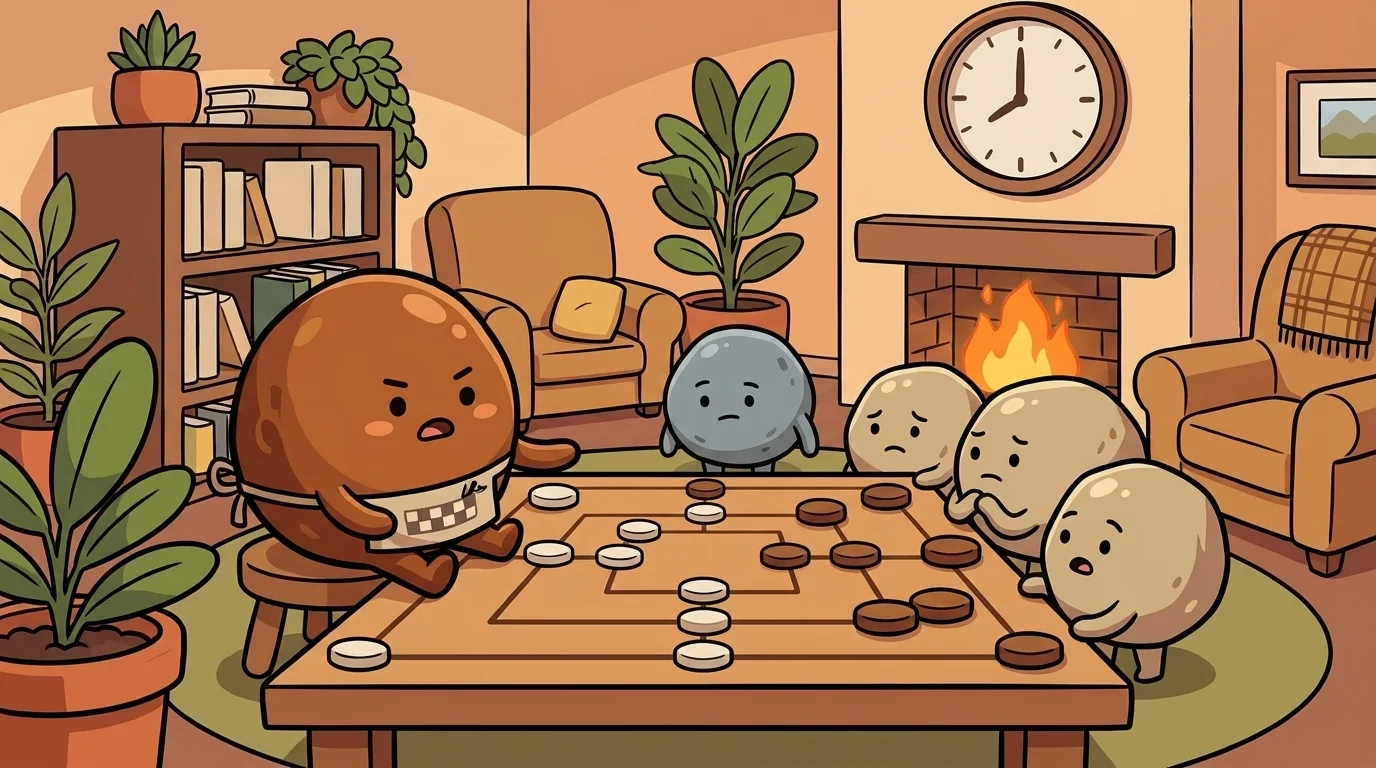
She taught students to count toward the win rather than just capturing greedily.
"A beginner takes whatever piece is easiest and feels good about the shrinking enemy army. But captures are steps on a road, and the road has a destination. If your opponent has five pieces, you're three captures from winning — so which three? Take the pieces that make the next capture easier: break their mills so they can't shelter, strip their runners so they can't rebuild, and drive them toward the count of two. Capture with the ending in mind, not the moment."
The older students caught the subtext — keeping the far goal present in every near choice, so that small wins actually add up to the big one instead of scattering.
Remy was especially fond of the second road, the quiet one.
"Everyone chases the count of two. Almost nobody watches for the no-legal-move win, and it's beautiful. Late in a game, when the board is crowded and pieces can only shuffle, you can sometimes trap your opponent — surround their pieces so that not one of them has an empty adjacent point to slide into. It's their turn, and they simply cannot move. They lose without losing a single extra piece. You didn't overpower them. You left them nowhere to go."
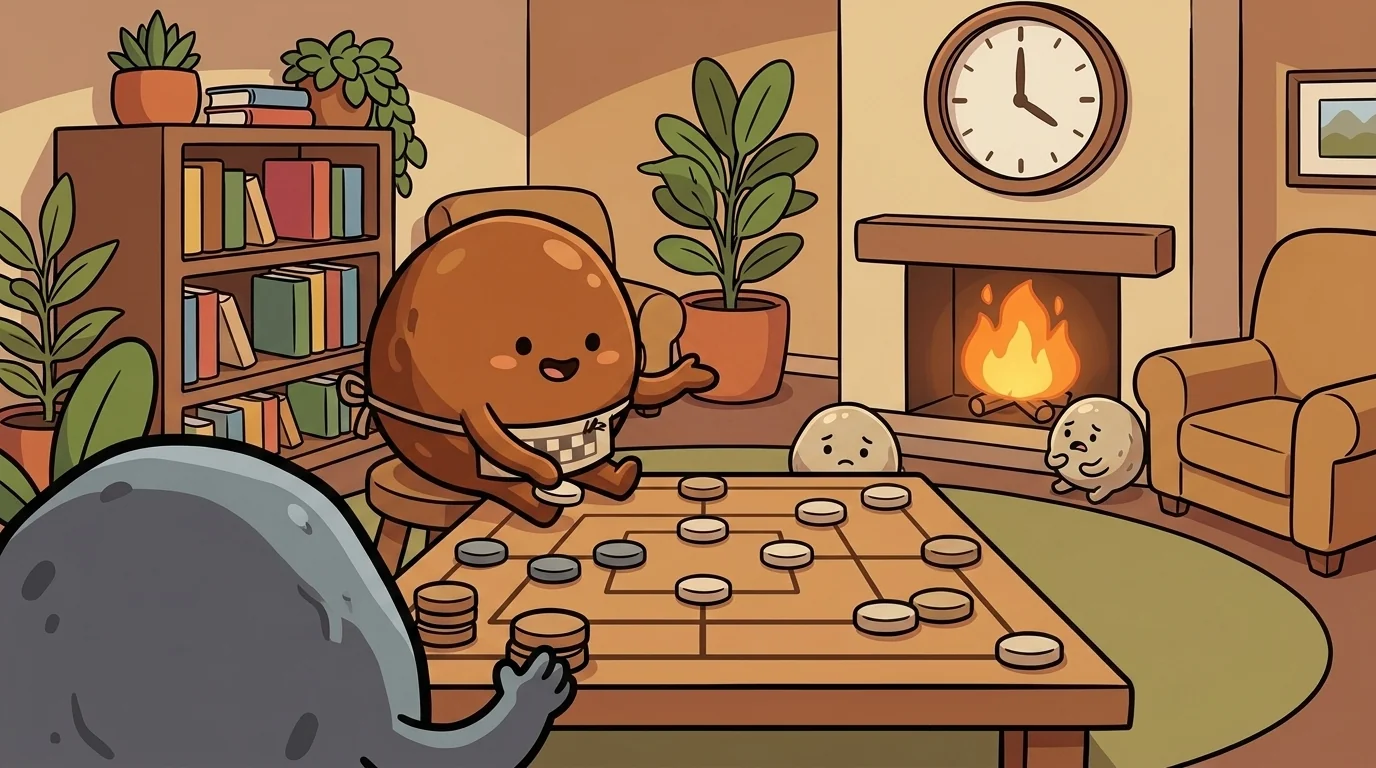
The Elder tested her with an endgame: the opponent down to four pieces, Remy with a mill about to close and a choice of captures.
"Take a piece," the Elder said. "Which, and why?"
Remy studied it, thinking two moves ahead. "Not the loose one — it's already trapped and can't hurt me. I take this one," she said, lifting an enemy stone, "because it's the only piece keeping their last runner mobile. Take it, and their runner is boxed in — no adjacent empty point. Now they're down to three pieces AND on the edge of no-legal-move. My next capture puts them at two OR seals the last escape. Either road closes." She set the piece aside. "I'm not just shrinking their army. I'm steering them toward a corner where both roads meet."
"You captured for the trap, not the count," the Elder said.
"I captured for the win," Remy said. "The count and the trap are just two doors to the same room. Take the piece that walks them toward whichever door is closer."
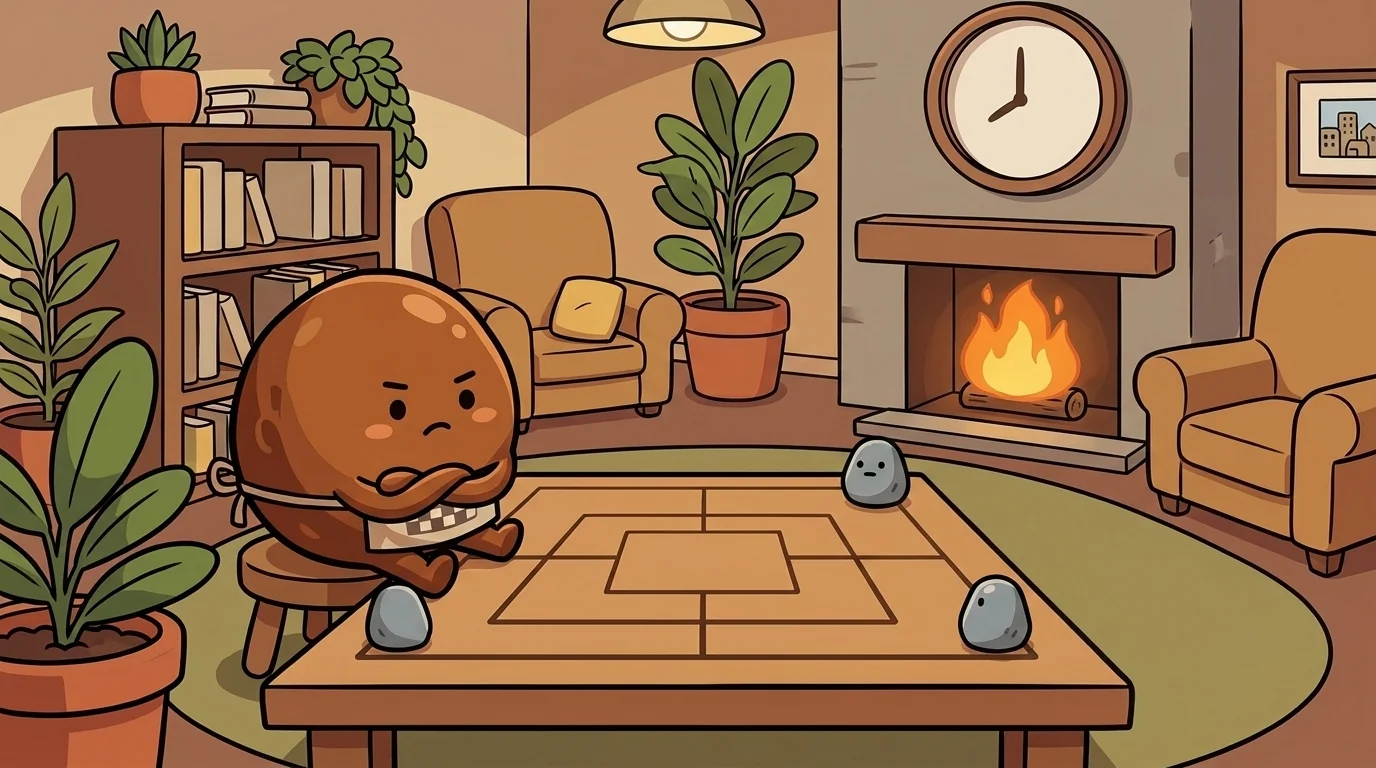
At the end Remy showed the students both endings on one board — first reducing a foe to two helpless pieces, then, on a second setup, walling a foe in until, on their turn, they lifted a hand toward every one of their pieces and found not one of them could move.
"That's the game," she said. "Not the mills — the mills are the means. Not the captures — the captures are the steps. The game is the end: two pieces, or no move. Keep it in front of you from the first placement to the last capture, and every small thing you do will lean the same direction. Lose sight of it, and you'll take a hundred pretty pieces and still wander in circles. Play toward the end, and the end comes to you."
The MillSong ensemble
Reduce Remy is part of MillSong's distributed-narrative cast. Each character embodies a different curricular primitive; together they teach the full subject.
-

Miller Mila
The mill: lining up three stones on a line
-

Snatch Nadia
Capture-on-mill: removing a piece the moment a mill closes
-

Guard Gwen
The not-in-a-mill rule: a stone inside a mill is safe
-

Block Bodhi
Blocking: dropping onto the empty point of an almost-mill
-
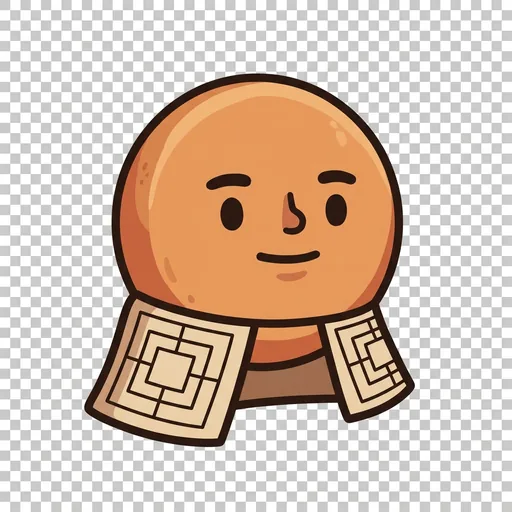
Spoke Sami
Prime points: the strong spoke midpoints (three mill lines each)
-

Corner Cato
Corner points: the low-value corners (two mill lines each)
-
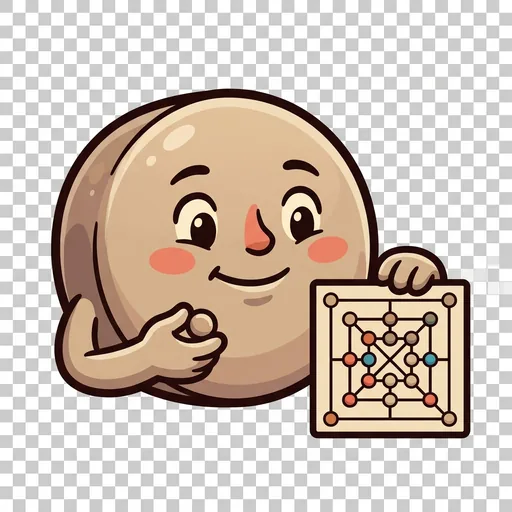
Placer Pell
The placement phase: building a mill network with the nine
-

Slide Sile
The movement phase: sliding a stone to an adjacent point
-

Swing Sena
The swinging (running) mill: opening and re-closing to capture again
-

Flyer Faye
The flying phase: hopping anywhere once down to three men
-
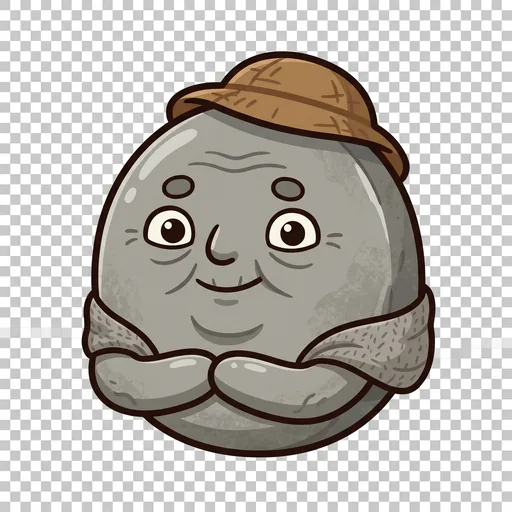
Elder Merel
The mills-puzzle elder (mentor): find-the-mill / which-to-take puzzles