
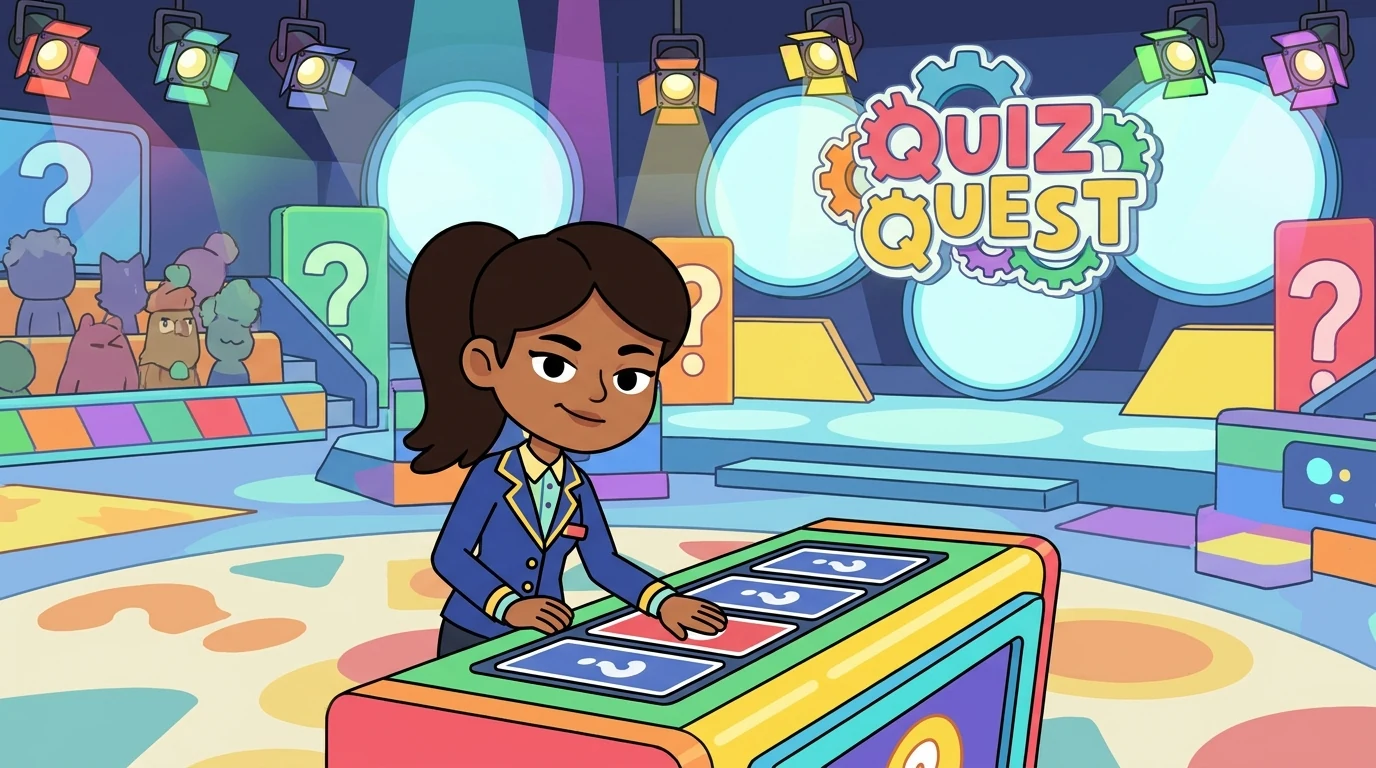
Recalla
RETRIEVAL PRACTICE — actively pulling a fact FROM memory (trying to recall it) makes it stick far better than re-reading or re-hearing it. The effortful reach is the learning (the testing effect). So the move is: cover the answer, try to remember, THEN check — never peek first.
Chapter — Recalla and the Answer She Reached For
Recalla is the crew member who never lets you peek. On the QuizQuest set she stands beside the answer cards with one hand flat over them, and when a question comes she doesn’t flip anything — she looks at you and says, “Reach for it first.”
“Most people want to see the answer,” she says. “It feels good — instant, easy, no struggle. But an answer you saw slides right back out of your head. An answer you reached for — even if you almost didn’t get it — grabs on and stays. The reaching is the whole trick. Cover the card. Try to remember. Then peek.”
Recalla figured this out because she used to study the easy, useless way.
Before a test she’d read her notes over and over, and each time they felt more familiar, and familiar felt like knowing. So she’d walk in confident — and then the questions asked her to produce the facts, not recognize them, and her mind went blank. She had confused seeing it again with being able to get it back. They are not the same thing, and the difference is brutal on test day.
Her mentor, Emcee the quizmaster, watched her re-read for the fifth time and gently took the notes away. “You’ve seen it enough,” he said. “Now cover it and tell me.” She couldn’t — not smoothly. It was uncomfortable, that blank-reaching feeling. “Good,” said Emcee. “That discomfort? That’s the muscle working. Re-reading is watching someone else lift the weight. This is you lifting it.”
So Recalla built the move that runs the whole show: cover, reach, check.
She reads a question and, before her hand even twitches toward the card, she tries to produce the answer from memory — out loud, or in her head, but actually reaching, actually committing to a guess. Only then does she flip the card and see if she was right.
“The order is everything,” she says. “Reach-then-check builds the memory. Check-then-‘yeah-I-knew-that’ builds nothing — you never actually lifted anything. And here’s the part people miss: even when you reach and get it wrong, you’ve done more good than if you’d just read the answer. The reach carves the path. The correction fills it in.”
BOLT-3000 — well, on QuizQuest the confident-wrong contestant is Bluff, but the show also runs on ordinary players, and Recalla’s favorite is a nervous kid named Sam who wanted to skip the reaching. “Just tell me the answers,” Sam said. “I’ll read them and memorize.”
Recalla covered the cards. “Watch.” She read Sam a fact, let him read the answer, waited a full minute, then asked him to say it back. He fumbled — it was already fuzzy. Then she gave him a new fact and made him reach for it before showing the card: he guessed, got it half-right, saw the correction. A minute later she asked that one back. He nailed it.
“Same minute of studying,” Recalla said. “But the one you reached for is the one you still have. Reading felt easier and taught you less. Reaching felt harder and taught you more. That’s not a coincidence — that IS the rule.”
Sam frowned, because it went against everything that felt efficient. “But reaching is slower. And I hate guessing when I’m not sure.” Recalla nodded — this was the real barrier, and it wasn’t about facts. “Guessing when you’re not sure feels risky,” she said. “It feels like you might be wrong, and being wrong feels bad. But in here, a wrong reach isn’t a failure — it’s the first half of learning. The card corrects you, and now the right answer has somewhere to land, because you’d already dug the hole reaching for it.”
She handed him a card, face-down. “Try. Out loud. Even if you’re not sure — especially if you’re not sure.” Sam reached, guessed, missed by a little, then saw the card. And the almost-right guess plus the correction stuck to him like nothing he’d ever re-read.
That night Recalla went back to her old re-read-it-five-times notes and did something that would have terrified her younger self: she closed them, covered them with her flat hand, and tried to say the whole page from memory. She got maybe half. She peeked, corrected, covered again, reached again. Got more.
It was uncomfortable the whole way — that blank, effortful, muscle-working discomfort. And that was exactly how she knew it was working.
“Seeing an answer feels like knowing,” she said, resting her hand over the cards one more time. “But knowing is being able to get it back. So reach first — cover the card, pull it from memory, then check. The reaching is the part that lasts.”
The QuizQuest ensemble
Recalla is part of QuizQuest's distributed-narrative cast. Each character embodies a different curricular primitive; together they teach the full subject.
-
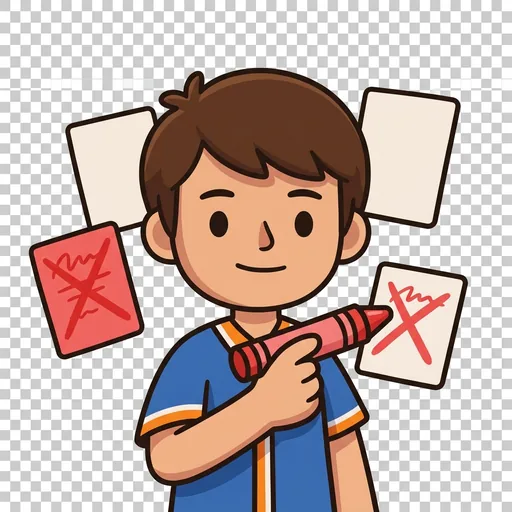
Nix
Elimination — crosses out the options that can't be right to narrow the field down to the answer
-
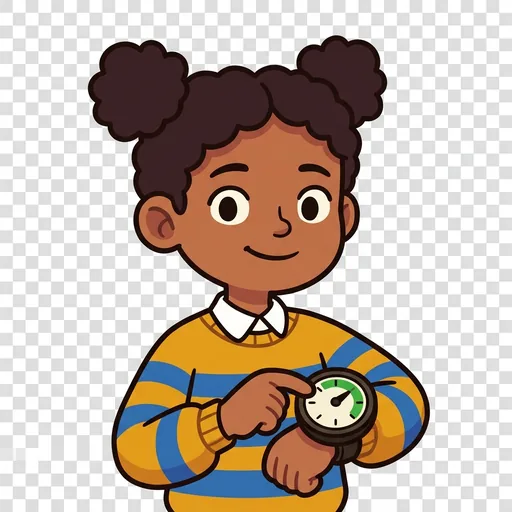
Gauge
Confidence calibration — checks HOW sure you are before you lock in, so your certainty matches your correctness
-

Bluff
The confident-wrong contestant — gives a fast, sure, WRONG answer; the one the host must catch (misconception-spotting)
-

Switcheroo
Interleaving — jumps between subjects round to round so recall stays flexible instead of crammed
-
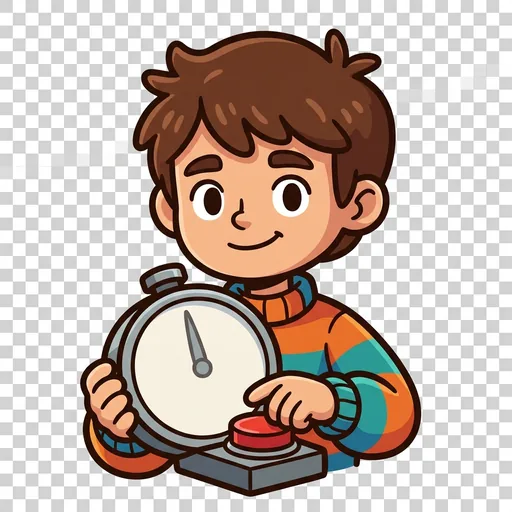
Tick
Speed-vs-accuracy — the buzzer-timer who trades a little speed to get the answer right
-
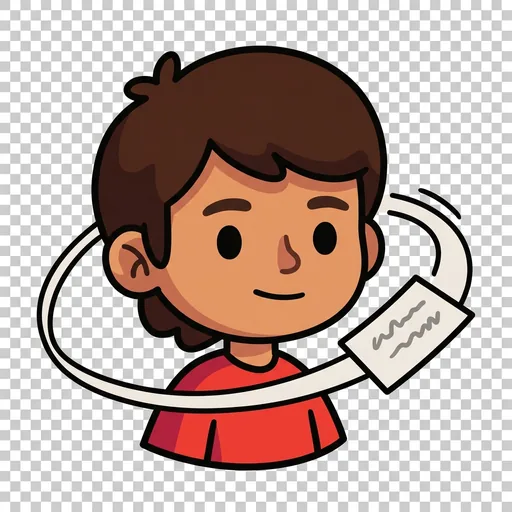
Encore
Spaced recall — brings a fact BACK a few rounds later so it moves into long-term memory
-
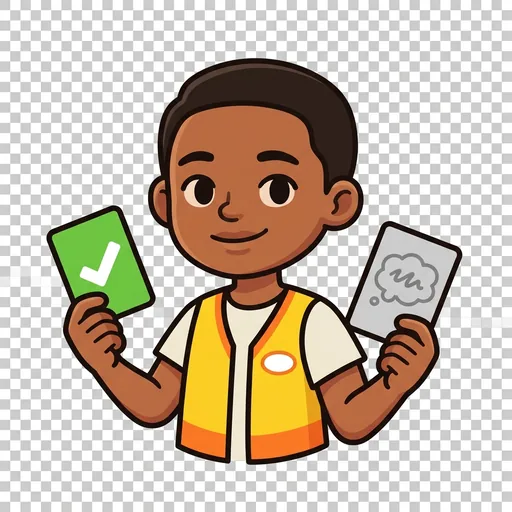
Facta
Fact vs. opinion — sorts what is checkable and true from what is only a view
-

Hinta
Clue-reading — reads the question stem for the hint hidden inside it before answering
-

Nuance
The almost-right answer — knows the close-but-not-complete answer and why the full answer is better