Kern
THE CENTRE — *the star's central hexagon is the crossroads: more jump-lines pass through the middle than through any edge, so a peg parked centrally has the most directions it can hop and can be reached from the most directions too. Routing pegs THROUGH the centre — instead of hugging a side lane — keeps the widest set of options open and gives the longest chains the most rungs to choose from.*
Loading audio…
Press play to listen along. The line being read lights up as you go.
Show full transcript
Loading transcript…
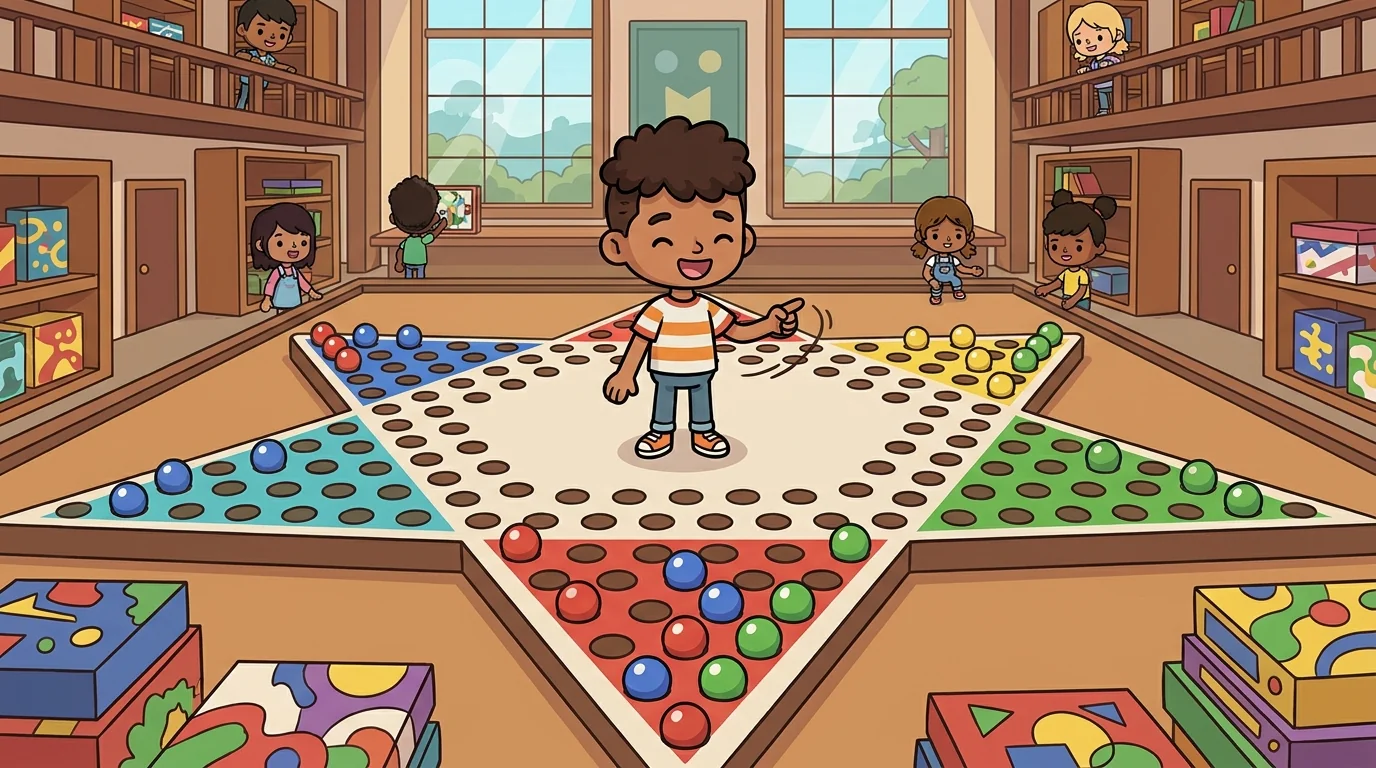
Kern loved the middle of the star more than anywhere else on the board. While others crept along the outside edges — safe, but narrow — Kern steered peg after peg into the central hexagon, that wide open crossroads where the star's lines all met. "Look how many ways out I have from here," Kern would say, spinning a finger to point at hop-line after hop-line fanning off in every direction. "On the edge you've got one or two ways to go. In the middle you've got all of them. The centre isn't just a place. It's where your choices live."
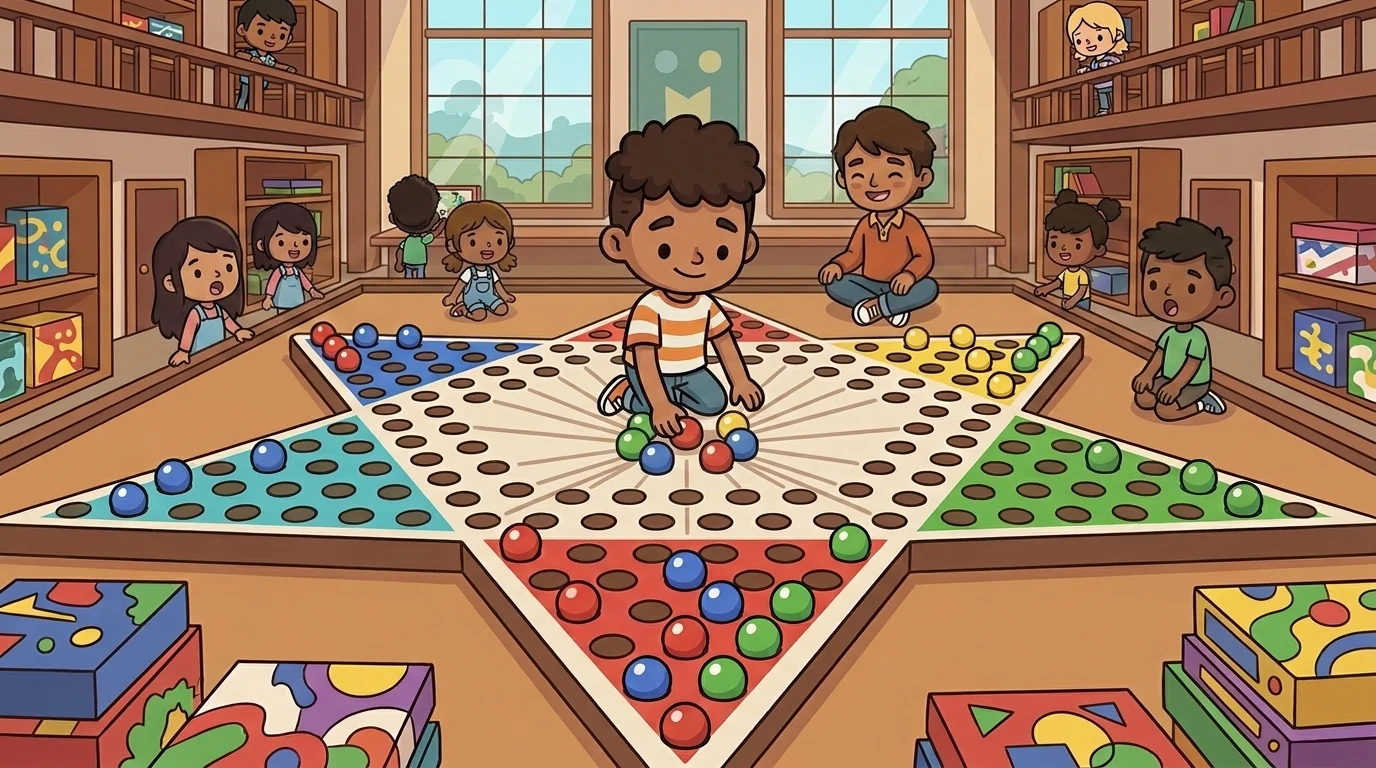
Kern used to hug the edges out of pure nervousness. The middle felt exposed — everyone could reach you there, rivals could hop over your pegs — so Kern would tuck marbles along the safe rim and inch forward, and then wonder, every game, why the routes always seemed to dry up. There was a small, quiet fear underneath it: stay out of the way, don't get caught in the crowd.
Cairn, the pathfinding coach, noticed Kern's pegs all crowded on one side lane and asked, "How many directions can that edge peg hop right now?" Kern looked. "Two." "And if it were in the centre?" Kern counted the lines fanning from the middle and went quiet — it was six, more, a whole crossroads of them. "The edge feels safe because it's out of the way," Cairn said. "But 'out of the way' is also 'out of the options.' The middle is busy because it's powerful — every good route wants to pass through it." Kern moved one trembling peg into the centre and felt, instead of exposed, suddenly rich with places to go. The fear loosened. Safe and stuck, it turned out, were often the same thing.
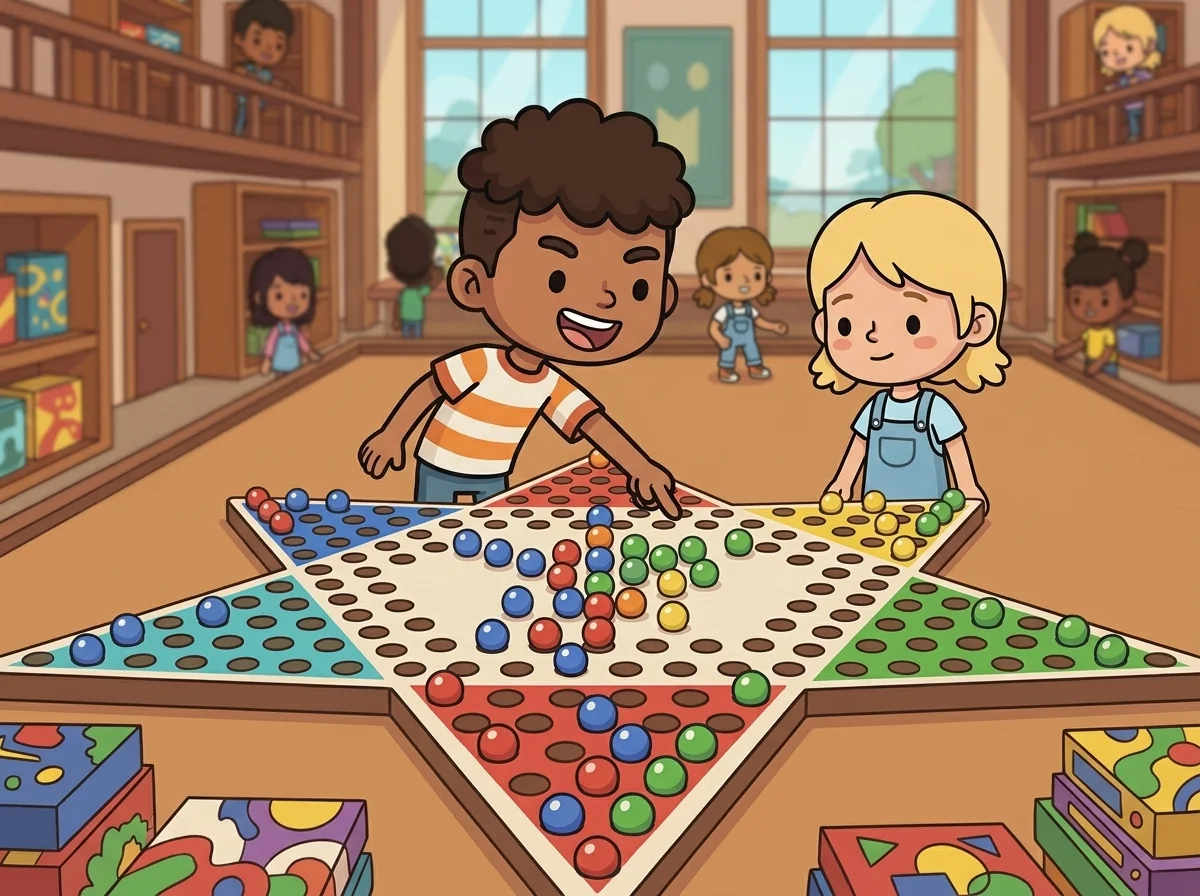
A girl named Mireille came to Kern stuck at the rim of her own games. "I keep to the sides so nobody can mess up my pegs," she said, "but then I run out of moves." Kern nodded, recognising the exact worry. "You're spending your whole game staying out of everyone's way," Kern said kindly. "Come look at what the middle gives you." They set a peg on an outer lane and counted its hops — two, maybe three. Then they slid it into the central hexagon and counted again.
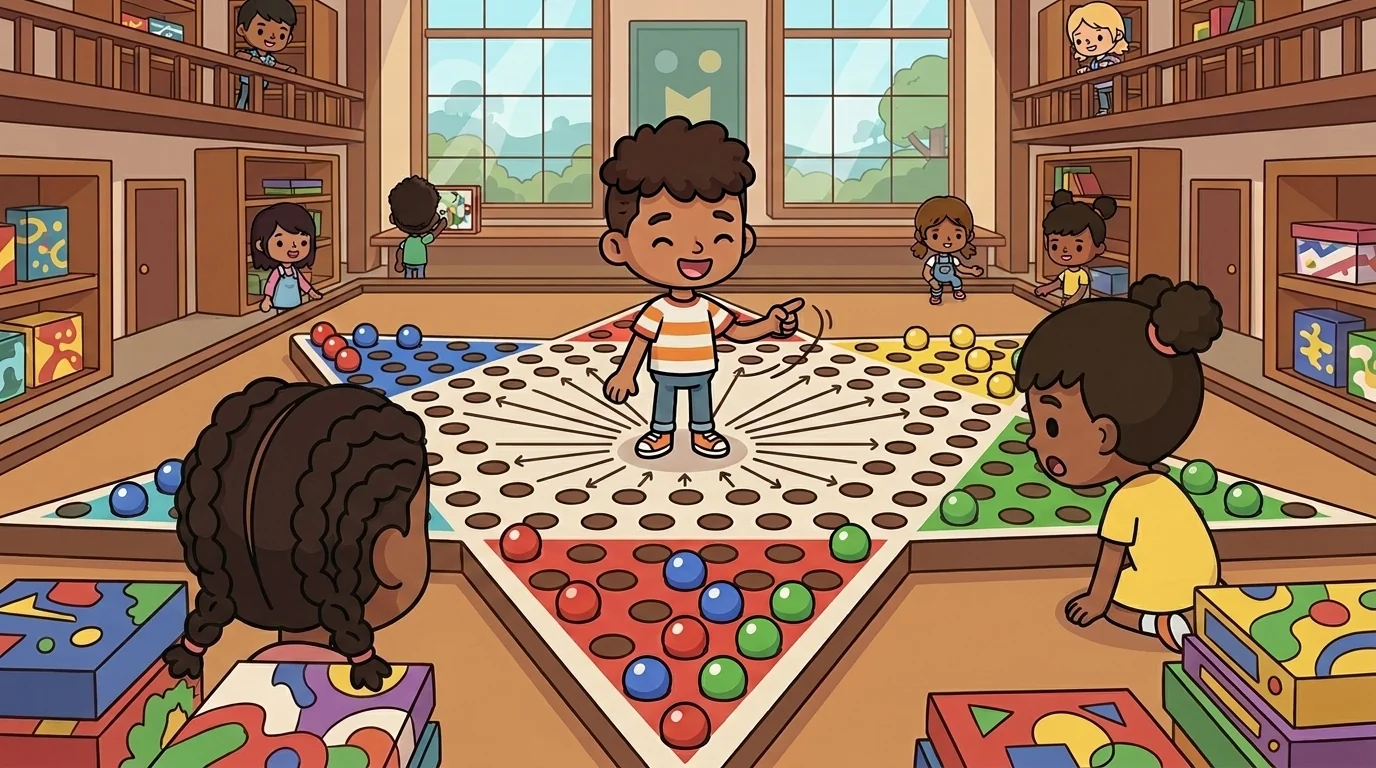
Mireille counted the lines fanning out from the centre and her eyes went wide. "That's so many more." "That's the whole reason to steer for the middle," Kern said. "More lines cross there than anywhere else, so your pegs have the most ways to hop and the longest ladders to choose from." Mireille tried it — routed her next peg straight through the crossroads instead of around the safe edge — and found that from the centre, chains she'd never even seen suddenly opened up in three directions at once. She picked the best and went bounding. She played two more games steering for the middle on purpose, and her old edge-hugging habit started to look, to her, like hiding. She wasn't hiding anymore. She was standing at the crossroads, spoiled for choice.
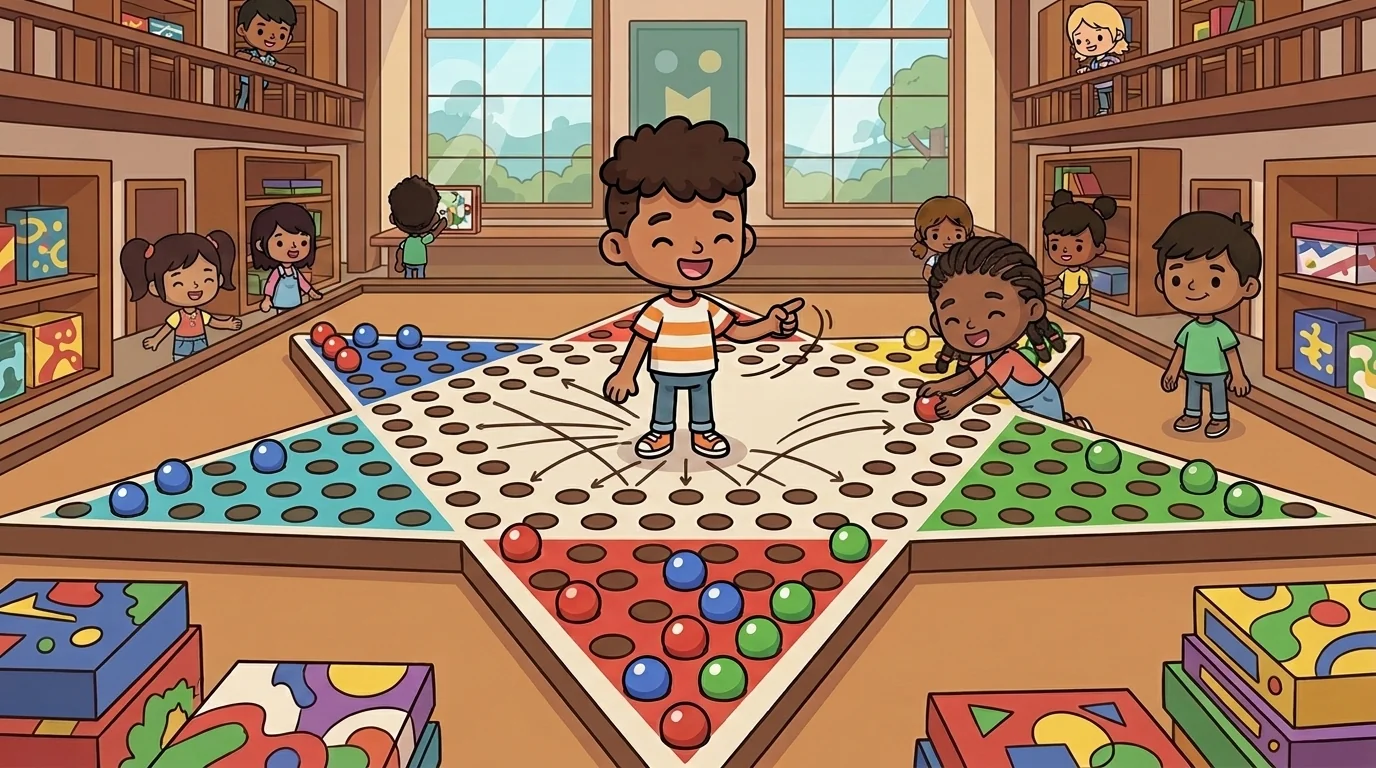
"You felt it," Kern said. "The edge is safe and small. The centre is busy and big — big with options. Give up a little 'nobody can bother me' and you get a lot of 'I can go anywhere.'" Mireille grinned and moved her last peg straight through the middle, just because she could. Cairn watched from across the room, pleased — a kid who used to cling to the rim was now claiming the crossroads. "Say it when you're choosing your route," Kern told her. "I steer for the middle of the star, where the most jump-lines cross — from the centre every direction stays open to me."
The LeapTale ensemble
Kern is part of LeapTale's distributed-narrative cast. Each character embodies a different curricular primitive; together they teach the full subject.
-
Bounder
The Ladder-Chainer — links several hops into ONE long move, always finding the longest efficient multi-hop route across the star (jump-chain / laddering)
-
Gate
The Junction-Holder — parks a peg on a key crossing so a rival's chain breaks; the one defensive idea in a game with no captures (blocking)
-
Overleap
The Long-Jumper — reaches the gapped, longer hop the ordinary jump can't, clearing distance in a single leap (the long / gapped jump)
-
Sidra
The Lane-Opener — plays the classic sideways-developing first moves that open the fastest lanes out of the home point (the opening)
-
Caboose
The Straggler-Minder — never strands the last peg, because you only win when ALL ten reach home and the last one is hardest (leave no peg behind)
-
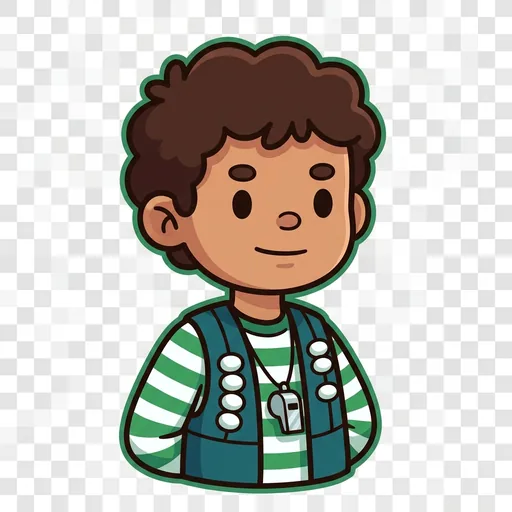
Pacer
The Race-Counter — counts who reaches home first and spends every single move advancing, never idling (tempo / parity)
-
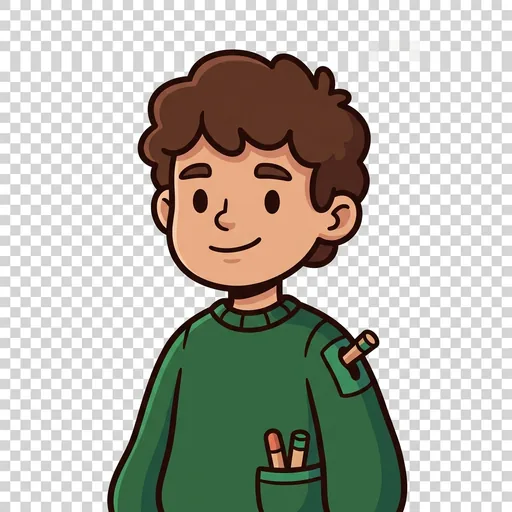
Snugg
The Back-Filler — tucks pegs into the BACK of the target point first so incoming pegs are never blocked by ones already home (home-fill order)
-
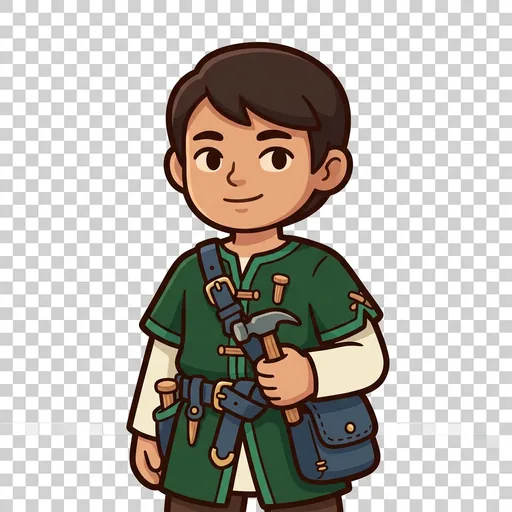
Trellis
The Bridge-Layer — places a peg NOW to enable a long chain LATER, setting up the ladder several turns ahead (deferred planning)
-
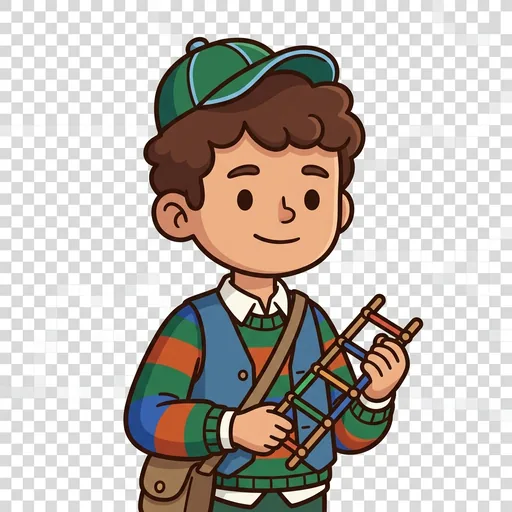
Coattail
The Line-Rider — hops over ANYONE's pegs, yours or the opponent's, riding a rival's line as free stepping-stones (the shared ladder / opportunism)