Snugg
THE HOME-FILL ORDER — *your target is the far point of the star, and it fills like a funnel: the peg that lands in the FRONT (nearest slot) sits in the doorway every later peg must hop past. Fill the BACK of the point first and work forward, and each arriving peg still has an open lane in; fill the front first and you wall your own remaining pegs out. Choosing the landing order (back slots before front) is how all ten actually fit.*
Loading audio…
Press play to listen along. The line being read lights up as you go.
Show full transcript
Loading transcript…
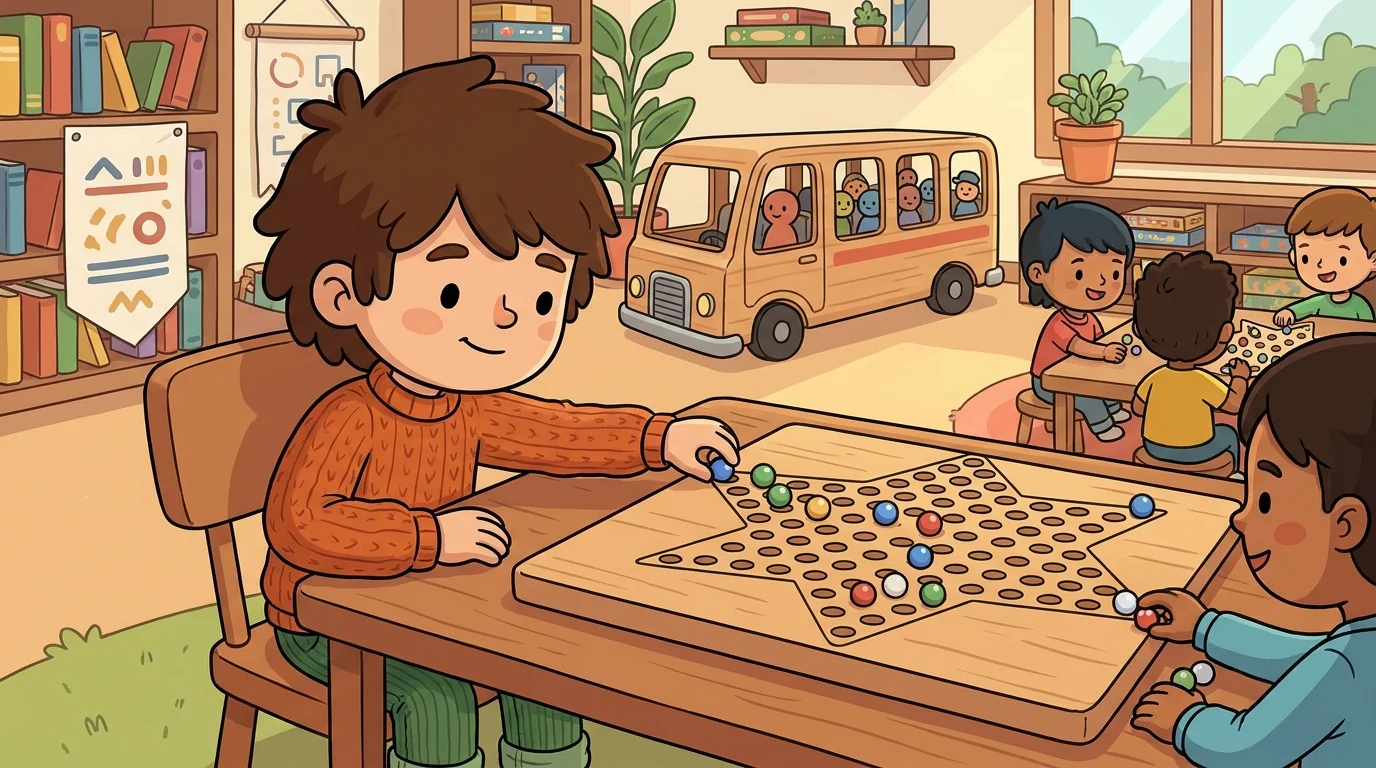
Snugg filled the home point like someone packing a bus from the back seats forward. While others plunked their first-arriving pegs into the nearest, easiest slot right at the entrance, Snugg always reached past — landing the earliest pegs in the deepest slots of the far point and leaving the doorway open. "Think about who comes after you," Snugg would say, sliding a marble into the very back corner of home. "If I sit right in the entrance, every peg behind me has to squeeze past — and some of them just... can't. Fill the back first, and the door stays open for everyone."
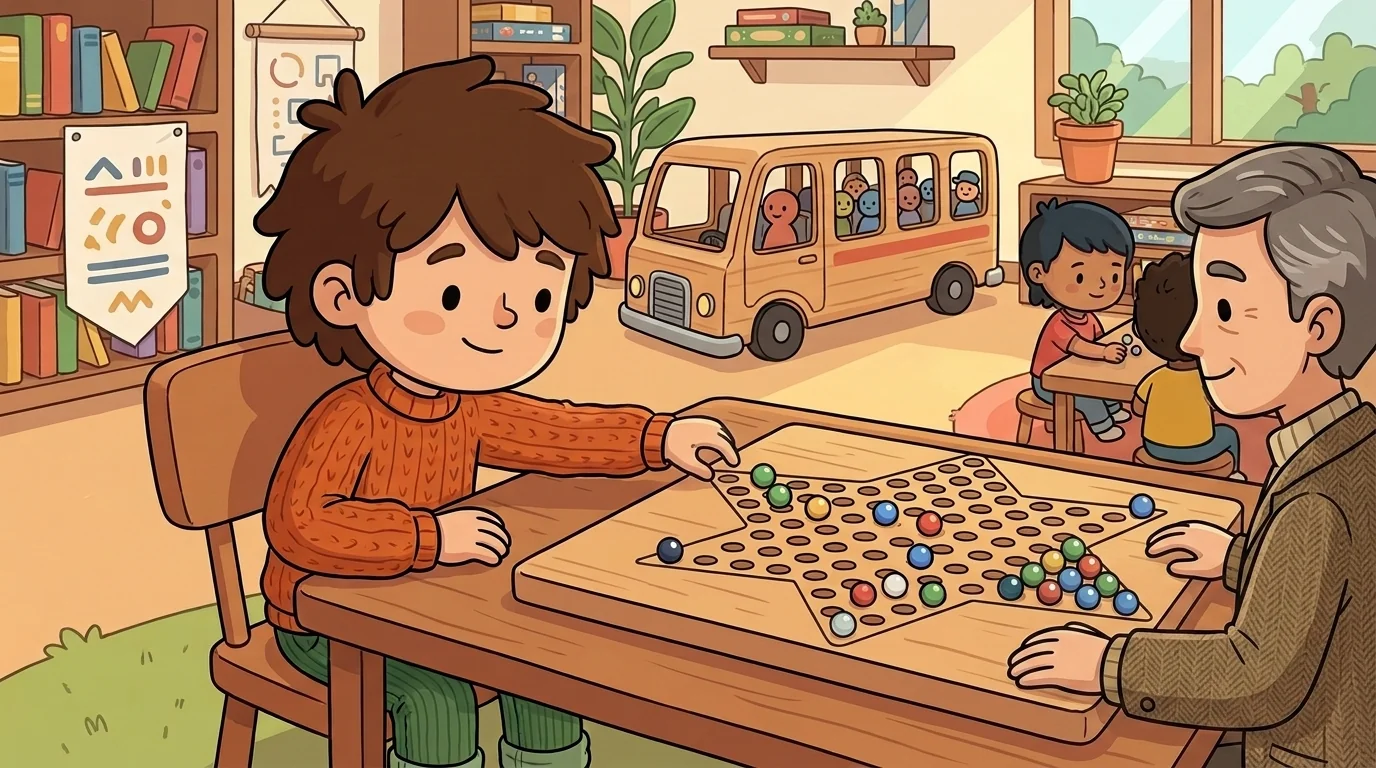
Snugg discovered this by locking her own pegs out. In an early game she'd rushed her first three marbles into the front slots of the home point — closest, quickest, most satisfying — and then watched, horrified, as her remaining pegs arrived to find the doorway completely walled off by her own home pegs. She had beaten herself. It was a strange, hollow shame: I got there first and it ruined everything.
Cairn, the pathfinding coach, looked at the jammed doorway and didn't lecture. "Which slot did you fill first?" Cairn asked. "The front one," Snugg admitted. "The one right in the way." "So your fastest peg became a wall for your slowest," Cairn said. "It's not about arriving — it's about where you park. Land in the back slots first, and every later peg still has a road in." Snugg replayed it, filling from the back, and this time all ten pegs slid home neat as anything. The hollow shame turned into a small quiet lesson: getting there first only helps if you don't block the ones behind you.
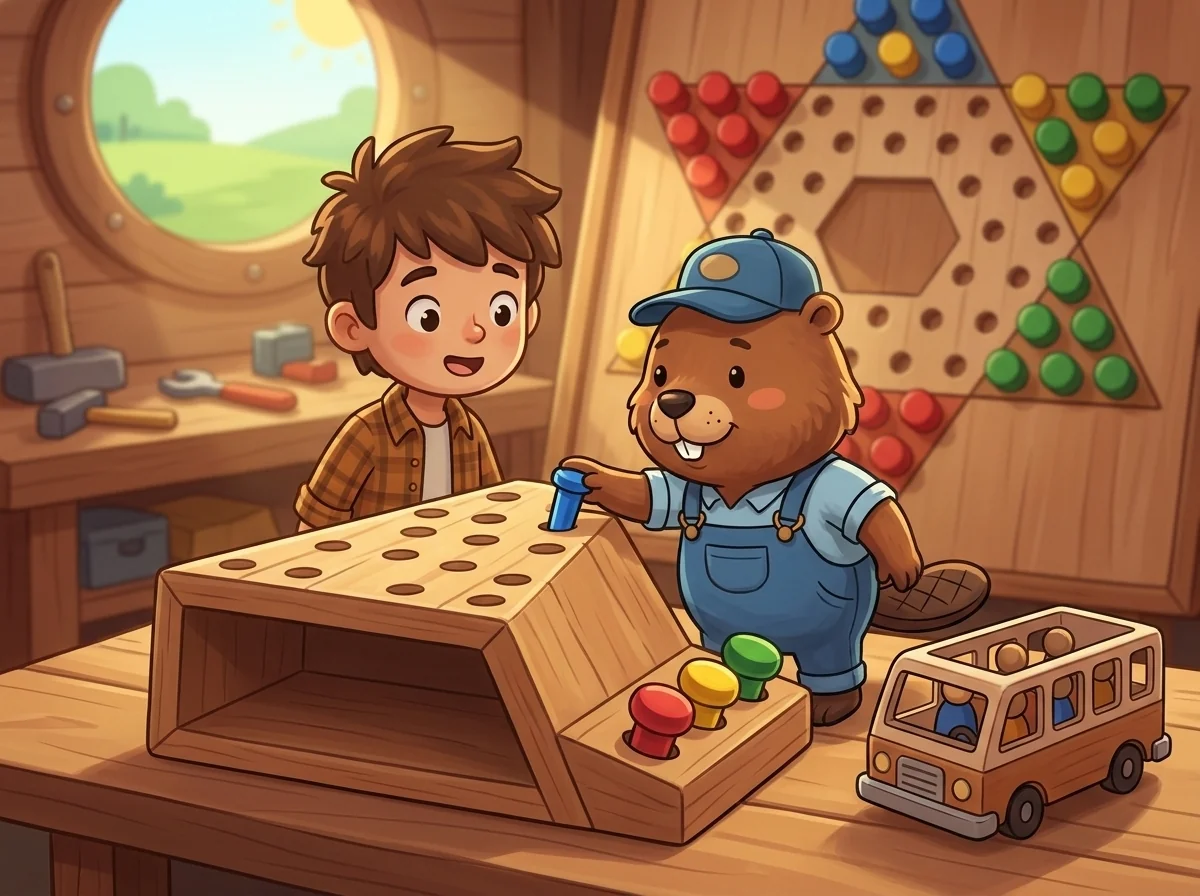
A boy named Elian came to Snugg near tears of frustration. "I get almost all my pegs home and then the last few just can't get in," he said. "It's like the door's shut." Snugg knew that exact feeling. "It is shut," Snugg said gently, "and I bet you shut it yourself. Where do your first pegs land?" Elian pointed at the front slots — the nearest ones. "Right in the doorway," Snugg said. "Let's try filling from the back instead." They reset the home point, empty.
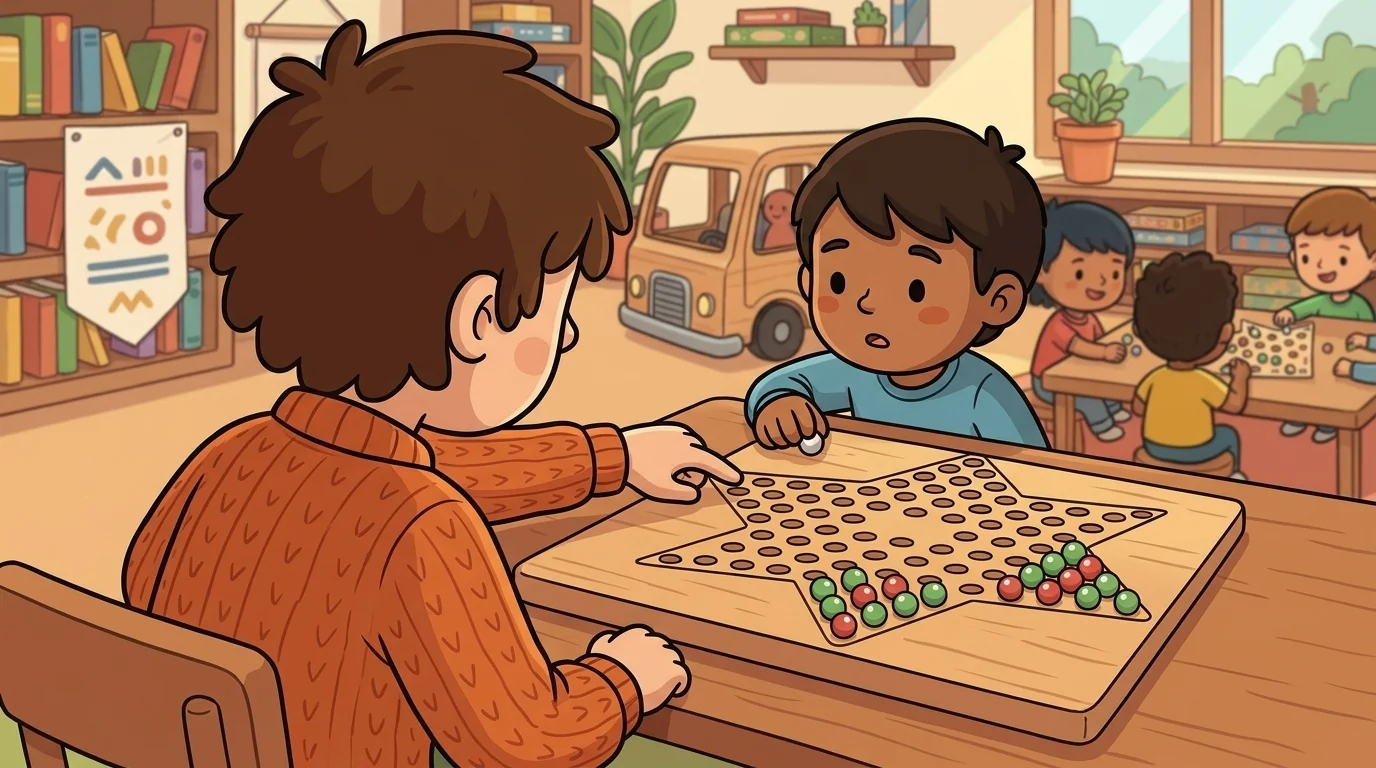
"Send your first peg all the way to the deepest slot," Snugg said. Elian reached past the tempting front slot and parked it in the back. "Now the next one, the slot in front of that." One by one his pegs filled the point from back to front, and when the last marbles arrived the doorway was still wide open — they rolled straight in, and all ten fit for the first time. "They all got in," Elian said, amazed. They did it twice more; each time he made himself land deep first and work forward, thinking about the pegs still on their way, and his "the door keeps shutting on me" panic settled into a careful, considerate calm: pack the back first, leave the door for the ones behind.
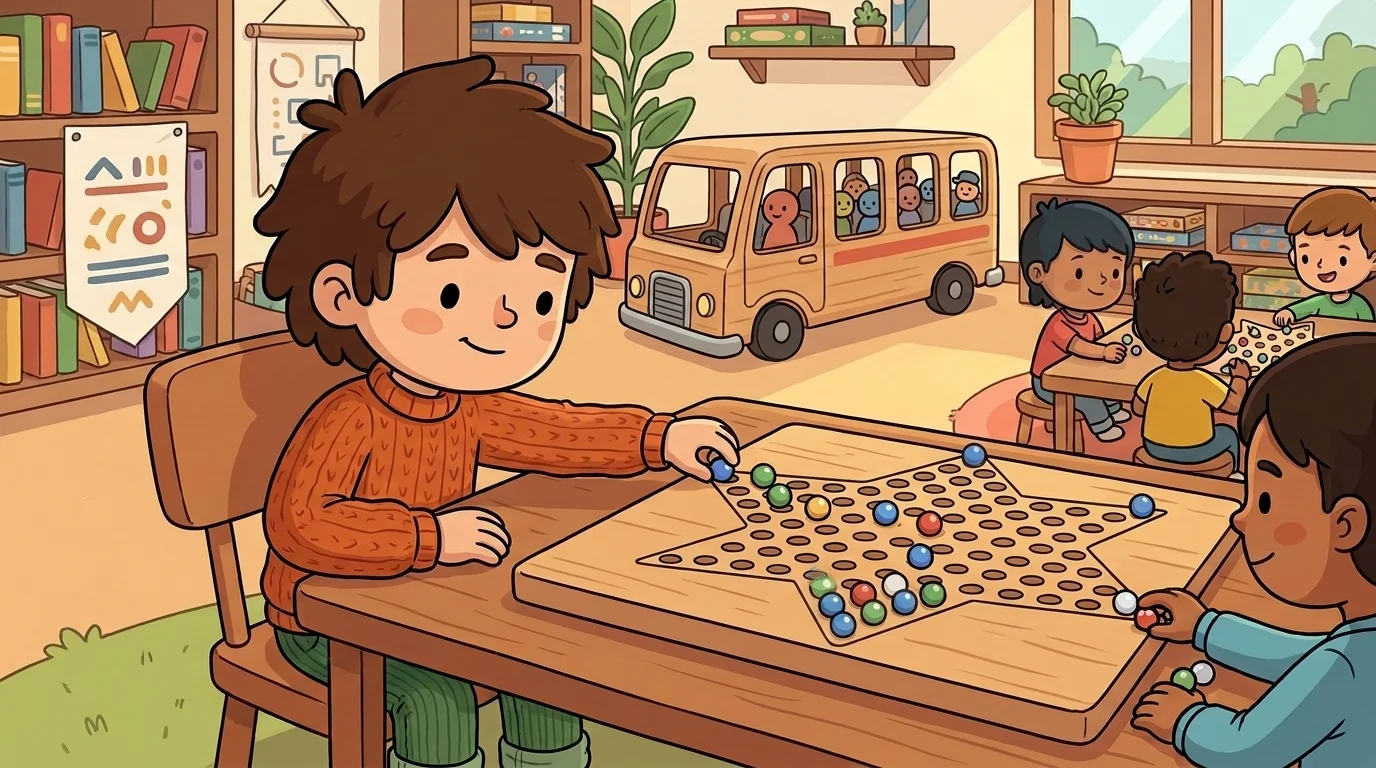
"You've got it," Snugg said. "The home point fills like a funnel. Front-first and you wall yourself out; back-first and everyone fits. The trick is just thinking one step past yourself — who still needs to get in after me?" Elian nodded, and for the rest of the day he filled every home point from the back without a reminder. Cairn watched from across the room, pleased — a kid who used to lock out his own pegs was now the most thoughtful finisher in the room. "Say it as your first pegs come home," Snugg told him. "I fill the back of the home point first, so a peg already home never blocks the doorway for the ones still coming."
The LeapTale ensemble
Snugg is part of LeapTale's distributed-narrative cast. Each character embodies a different curricular primitive; together they teach the full subject.
-
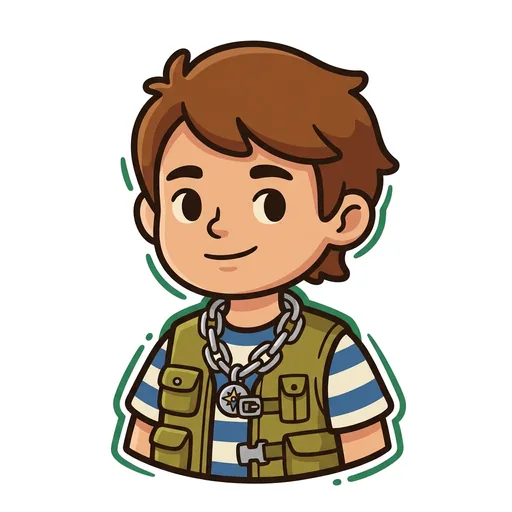
Bounder
The Ladder-Chainer — links several hops into ONE long move, always finding the longest efficient multi-hop route across the star (jump-chain / laddering)
-
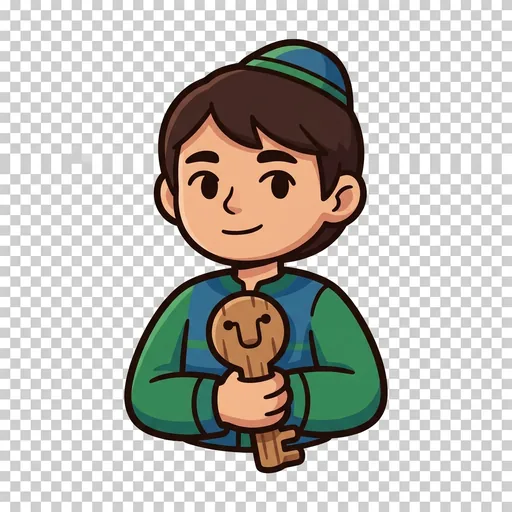
Gate
The Junction-Holder — parks a peg on a key crossing so a rival's chain breaks; the one defensive idea in a game with no captures (blocking)
-
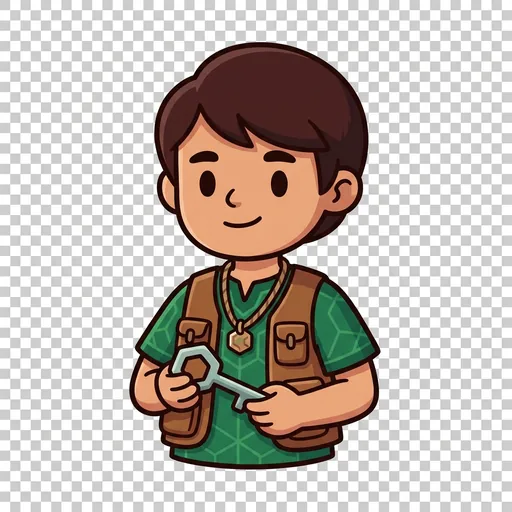
Kern
The Centre-Keeper — occupies the central hexagon where the most jump-lines cross, keeping the most options open (centre control)
-

Overleap
The Long-Jumper — reaches the gapped, longer hop the ordinary jump can't, clearing distance in a single leap (the long / gapped jump)
-
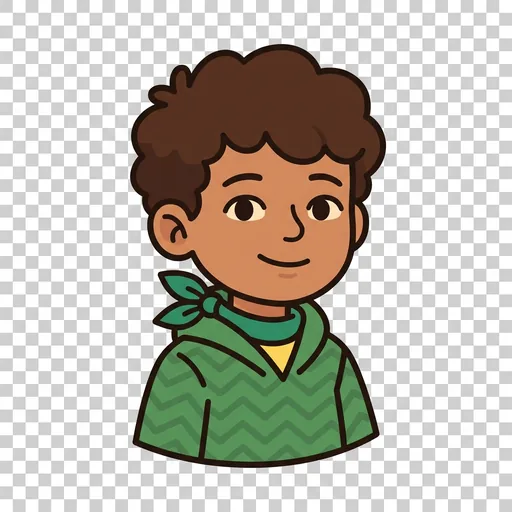
Sidra
The Lane-Opener — plays the classic sideways-developing first moves that open the fastest lanes out of the home point (the opening)
-
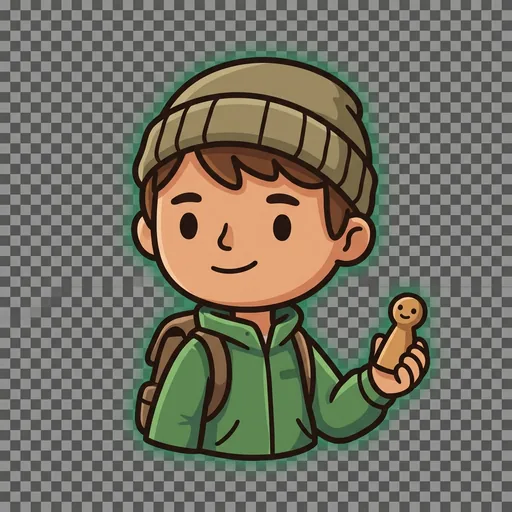
Caboose
The Straggler-Minder — never strands the last peg, because you only win when ALL ten reach home and the last one is hardest (leave no peg behind)
-

Pacer
The Race-Counter — counts who reaches home first and spends every single move advancing, never idling (tempo / parity)
-
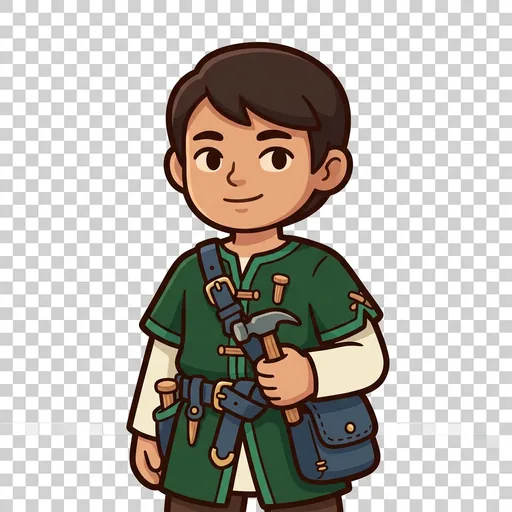
Trellis
The Bridge-Layer — places a peg NOW to enable a long chain LATER, setting up the ladder several turns ahead (deferred planning)
-

Coattail
The Line-Rider — hops over ANYONE's pegs, yours or the opponent's, riding a rival's line as free stepping-stones (the shared ladder / opportunism)