Soro
SOROBAN VISUALISATION — *the mental calculator whose recurring act is picturing an abacus and sliding its beads in the mind's eye, using a five-bead and four-ones structure to add and subtract without counting.*
Loading audio…
Press play to listen along. The line being read lights up as you go.
Show full transcript
Loading transcript…
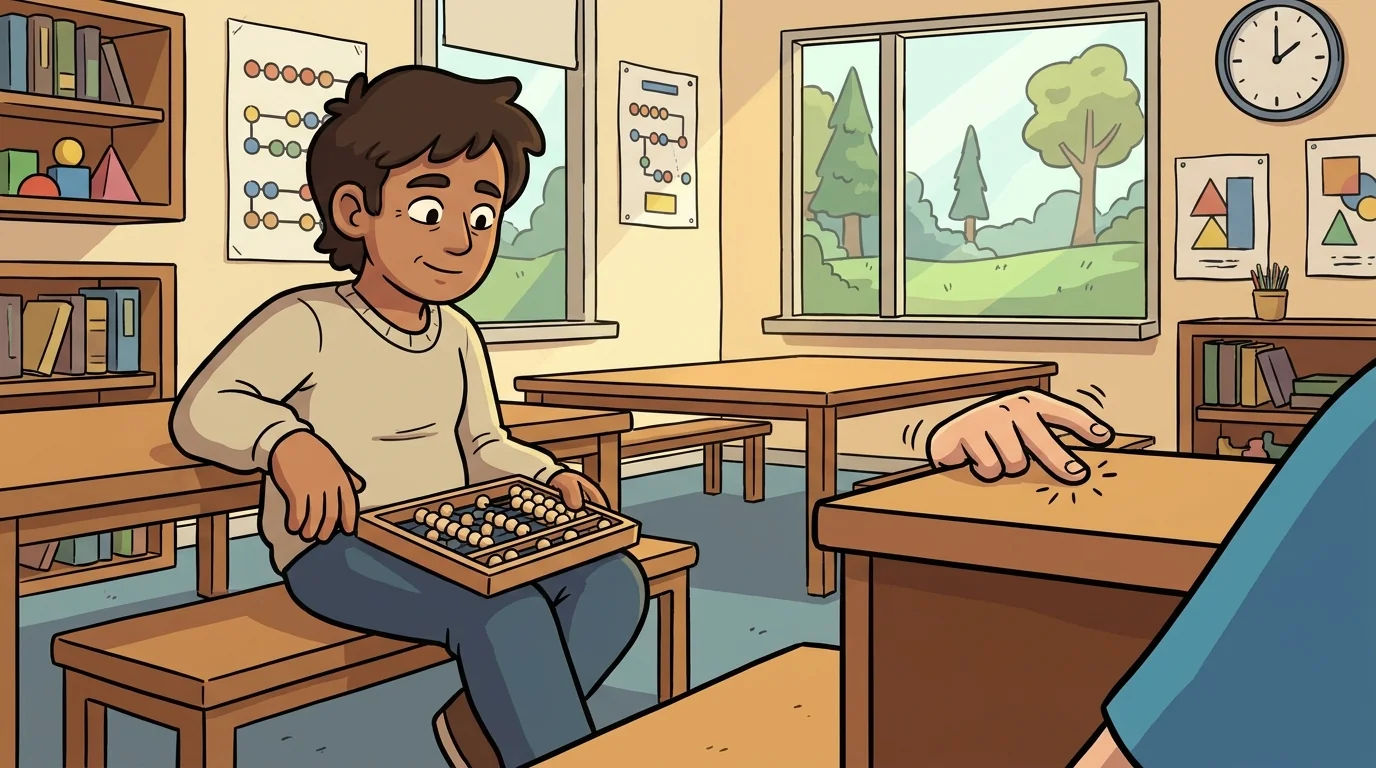
A student was adding 6 + 7 by counting up on their fingers, tapping each one, and Soro — who had a small wooden bead-frame resting on their knee — watched kindly. "Counting one at a time works," Soro said, "but it's slow, and you can lose your place. I stopped counting a long time ago. Now I just slide."
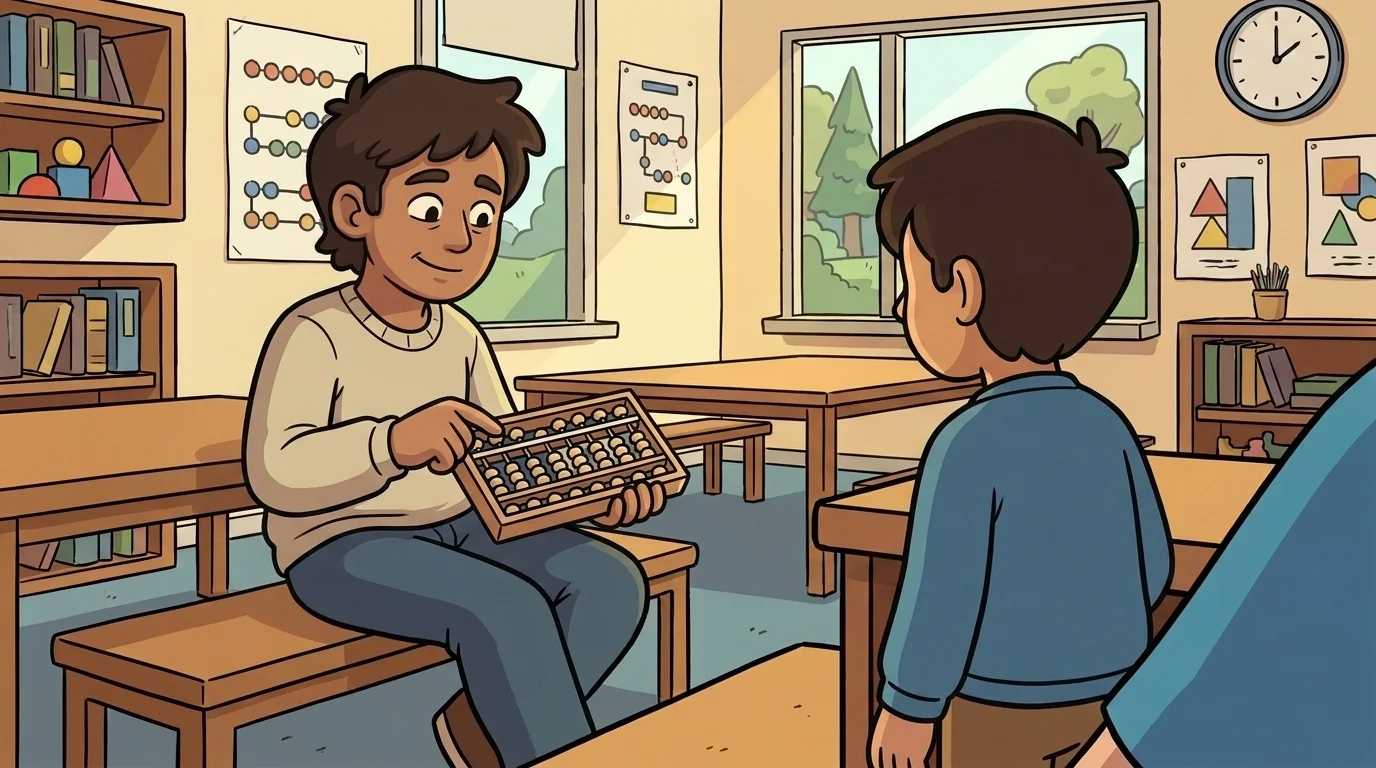
Soro held up the frame. "This is a soroban. Each column has one bead up top worth five, and four beads below worth one each. To show six, I push the five-bead down and lift one lower bead up — five and one, six. To add seven more, I don't count seven times. Seven is a five and a two, so I push the other five-bead's worth in and slide two ones — and when a column fills, ten beads become one bead in the next column over. Six and seven land as thirteen: one ten, and a three." Soro tapped their own forehead. "After enough practice, I don't need the wood at all. I see the beads behind my eyes and slide them there."
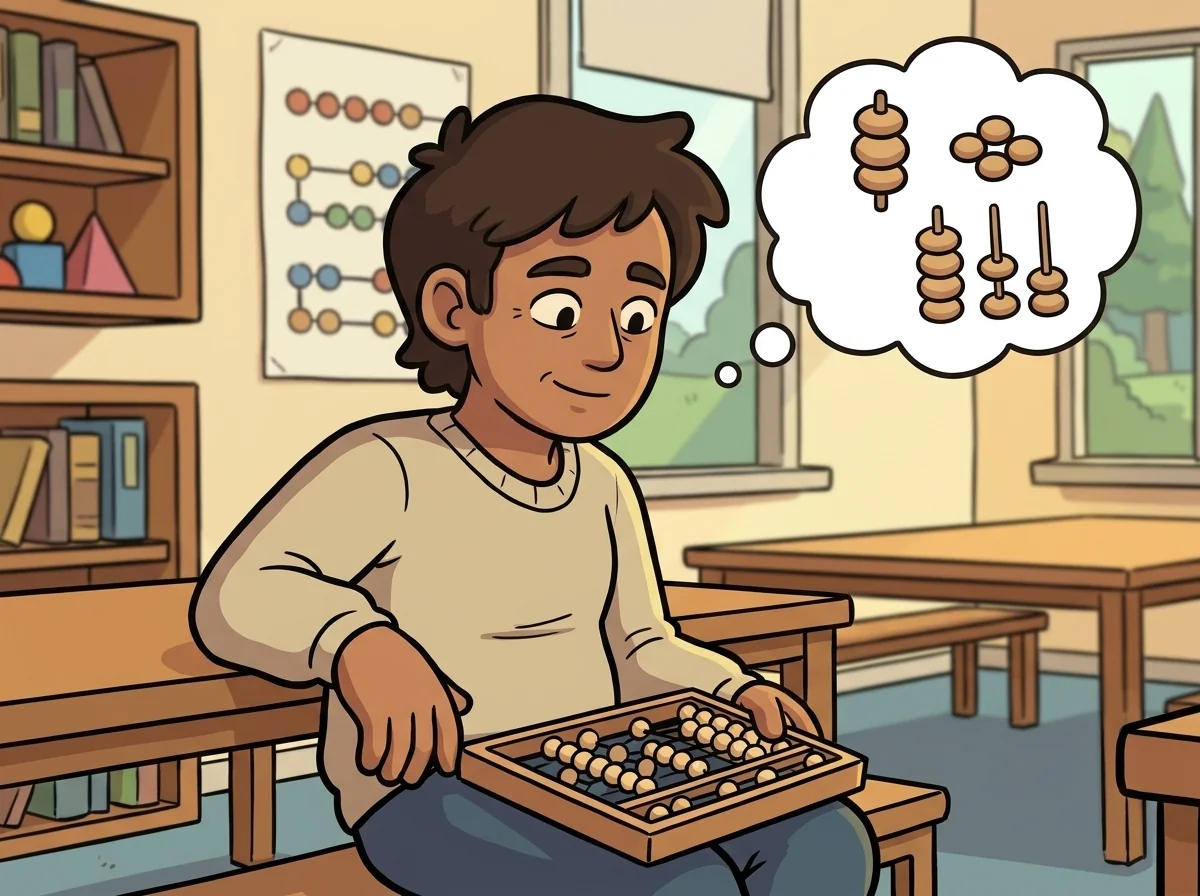
"The reason I love it," Soro said, "is that beads turn numbers into things you can see and move instead of words you have to count. A five is one whole bead, not five separate taps — so I never crawl up from six to seven to eight; I grab the five in one motion and adjust. My hands used to get tired and my mind used to wander mid-count. Now a number has a shape — six looks a certain way on the frame, thirteen looks another — and adding is just changing one picture into the next. When I picture the beads, I'm not counting at all. I'm rearranging."
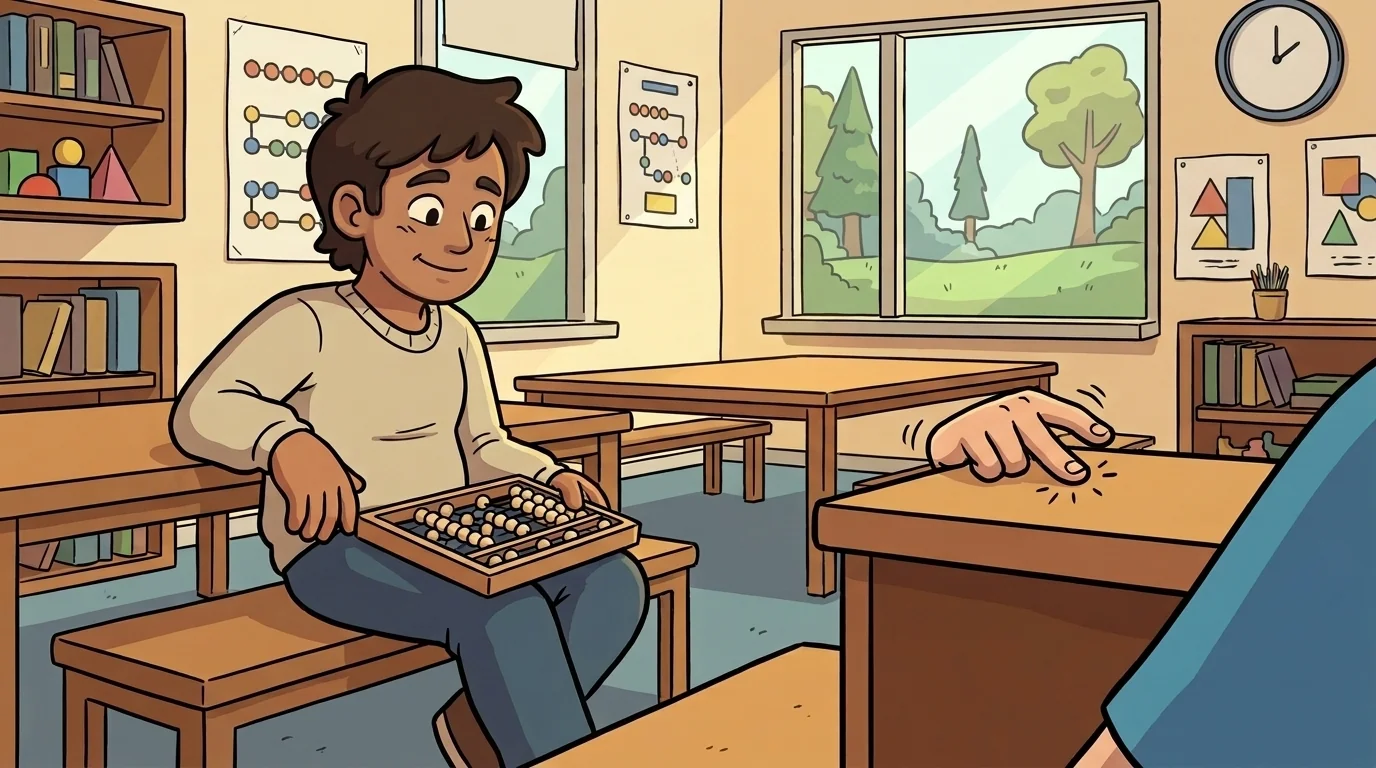
The student tried it. "Eight is a five-bead and three ones," they said slowly, picturing it. "To add four, I... push a one, a one, a one — that's three, and the last one makes ten, so a bead jumps to the next column — twelve." They looked amazed. "I saw them move. I didn't count 'nine, ten, eleven, twelve.' I just... slid them." Soro nodded warmly. "That's it. The five-bead is your best friend — it saves you from crawling. See the shape, slide to the new shape. The number stops being a chant and starts being a picture."
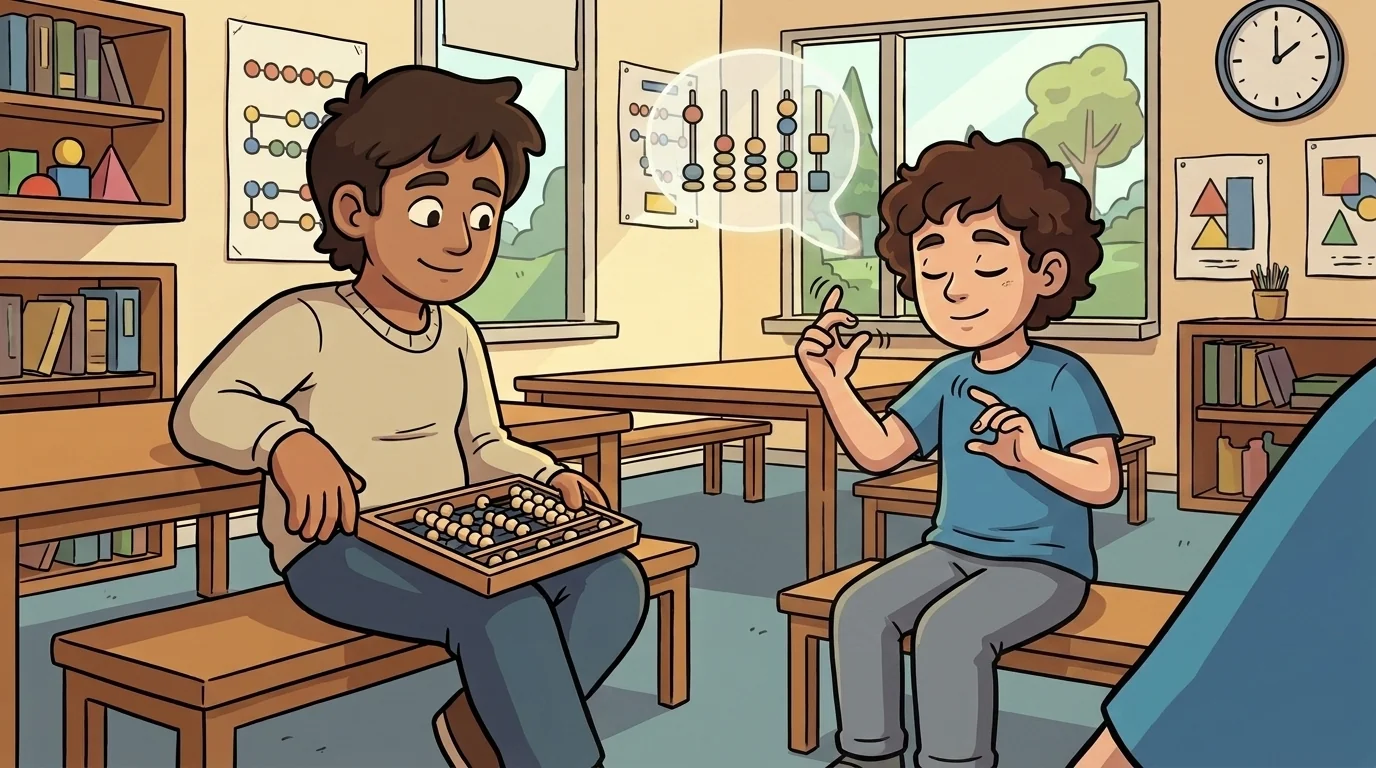
The student practised in the air, fingers twitching as they slid invisible beads, and something shifted — the frantic one-two-three counting that used to leave them breathless gave way to a calm, almost graceful moving-of-pictures. Numbers weren't a race up a ladder anymore; they were shapes they could hold and rearrange, unhurried, sure of where each bead sat. It felt less like arithmetic and more like a small, satisfying craft — and there was comfort in that, the comfort of finally having something solid to look at instead of a slippery count to keep. That grounded, capable feeling — a number is a shape I can see and slide, not a chant I might drop — settled into them, and Soro watched with quiet joy, because handing someone the beads behind their eyes was really handing them a calmer, steadier way to hold a number. "See the beads, slide the beads," Soro said, and the student, eyes half-closed, was already sliding the next sum into place.
The MentalForge ensemble
Soro is part of MentalForge's distributed-narrative cast. Each character embodies a different curricular primitive; together they teach the full subject.
-

Lefty
Left-to-right — add the biggest places first, not last
-
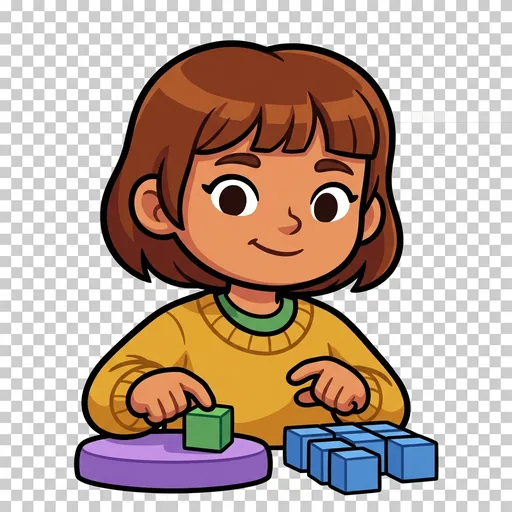
Tenna
Make-a-ten — round up to a friendly ten, then adjust back
-

Halvor
Double & halve — double one factor and halve the other
-

Squill
Square near a base — square numbers close to 10, 50, or 100
-

Elva
The ×11 trick — add each pair of neighbouring digits
-

Grandel
Subtract from a round number — take from 100 or 1000 by complements
-
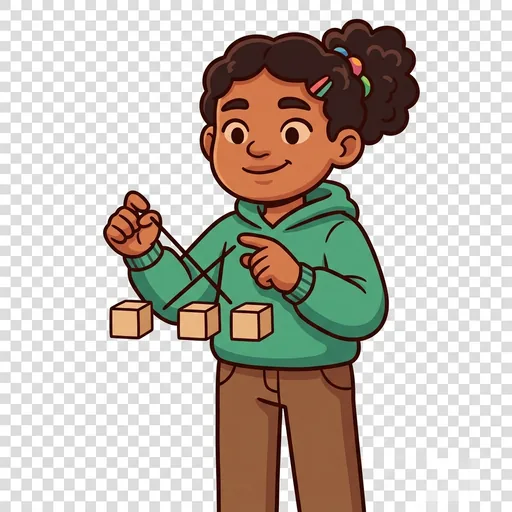
Crisca
Cross-multiply — two 2-digit numbers in one criss-cross
-

Nina
Cast out nines — a quick check that catches most slips
-

Rounda
Estimate first — get close, then check the exact answer looks right
-

Splitt
Break apart — split a hard product into easy distributive pieces
-
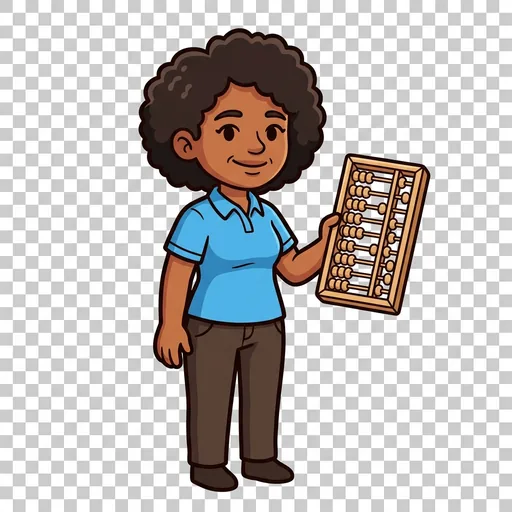
Abaca
(Mentor) — the mental-math coach who sets the sprint and reflection